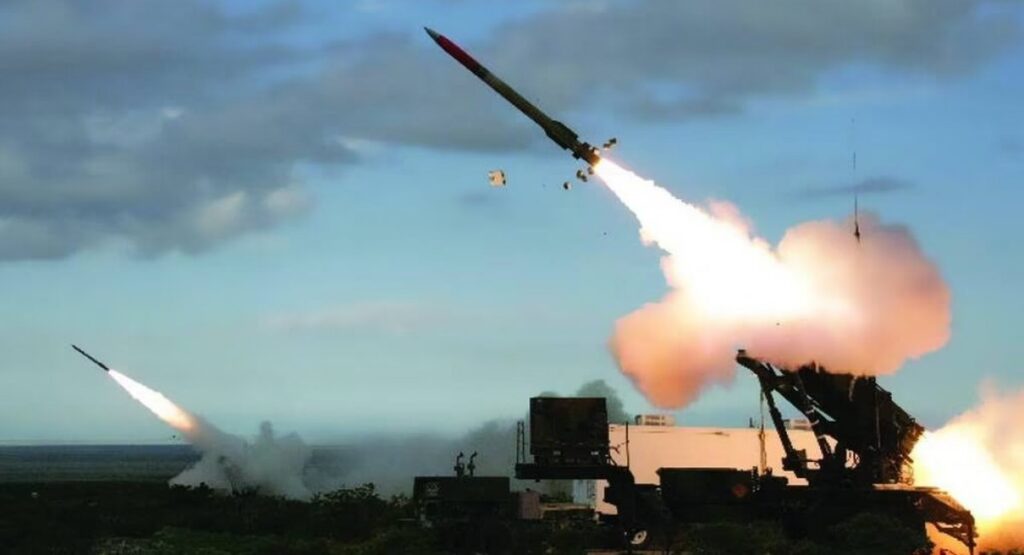
The RF has received the first batch of KN-30 (Hwasong-11C) short-range ballistic missiles from North Korea. This weapon features an increased warhead and a flight range of up to 900 kilometers. This was reported by Army Recognition citing Main Directorate of Intelligence of the Ministry of Defence of Ukraine, according to the portal PromPolitInform.
According to military intelligence data released on August 20, 2026, the new missiles were deployed in the Voronezh region. Russian forces are using six launchers to strike infrastructure facilities across seven regions of Ukraine.
Technical specifications and power of the new missiles
The KN-30 missile significantly exceeds the dimensions of previous KN-23 and KN-24 models. With a length of over 10 meters, it is capable of delivering a warhead weighing up to 2,500 kilograms, which is several times more powerful than standard Russian Iskander missiles.
The use of a solid-propellant engine allows the items to be transported in a fully armed state. This reduces pre-launch preparation time, and the missile’s ability to move along a quasi-ballistic trajectory at an altitude of up to 50 kilometers complicates the operation of air defense systems.
Logistics and weapon maintenance
In addition to the missiles themselves, about 90 North Korean specialists were attached to the Russian unit. They assist in operating the launchers alongside service members of the 112th Guards Rocket Brigade of the RF.
The total arsenal transferred by the DPRK consists of about 50 ballistic missiles of various types, but plans call for the accumulation of up to 120 units. Thanks to these deliveries, Russia is able to conserve its own Iskander-M stockpiles while increasing the intensity of strikes against Ukrainian targets.
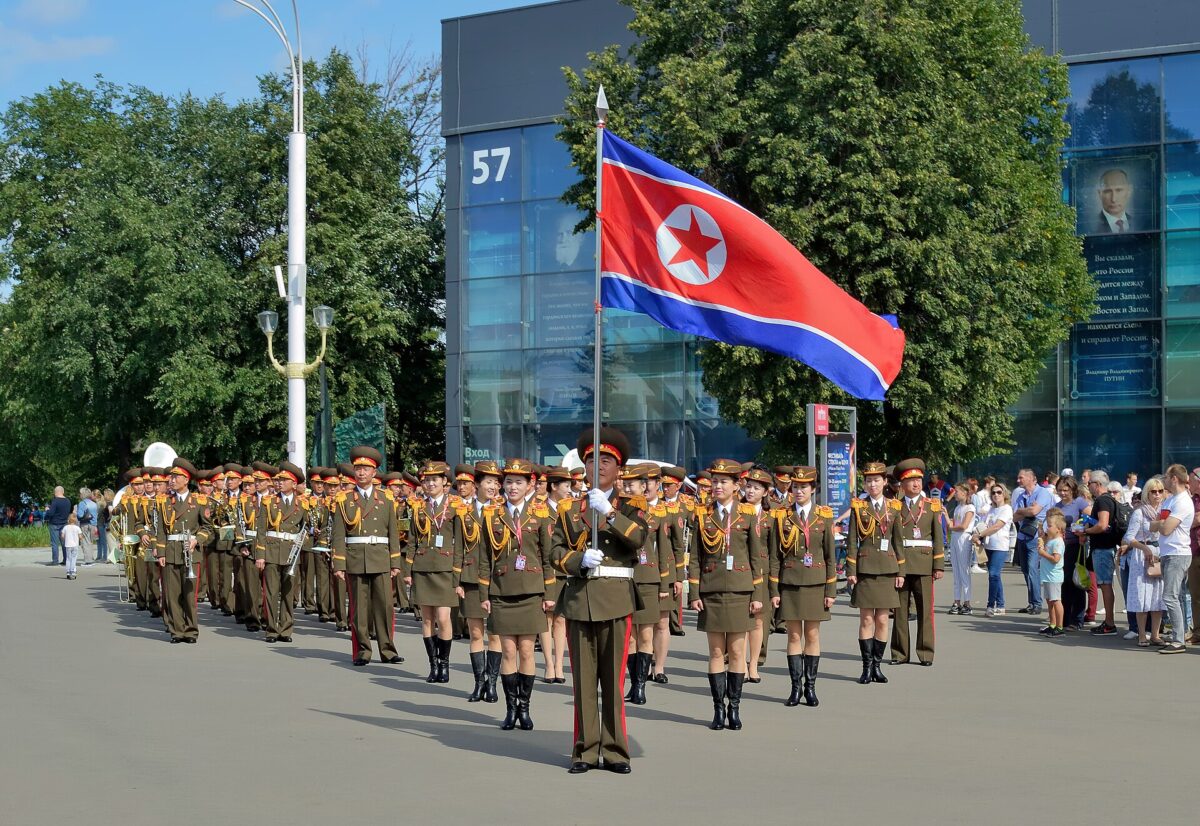
Illustrative photo: Dmitry Chushkin (dmitrydreamer.livejournal.com) / CC BY-SA 3.0