The Viennese draft document outlines four key pillars for dialogue with the aggressor
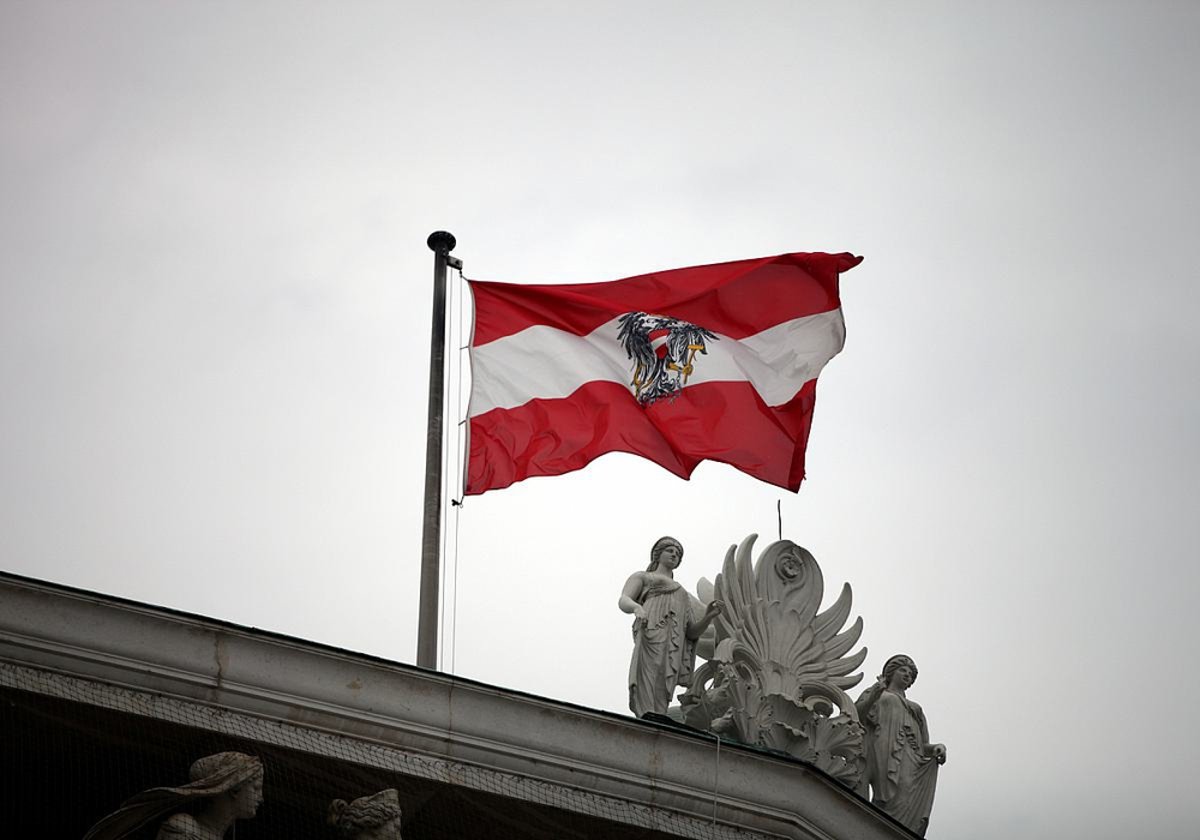
Austria has submitted a proposal to the European Union regarding the mandate for a European negotiation team focused on ending the war between russia and Ukraine. The proposal covers four main areas: political, security, humanitarian, and economic. This was reported by Ukrinform, according to the portal PromPolitInform.
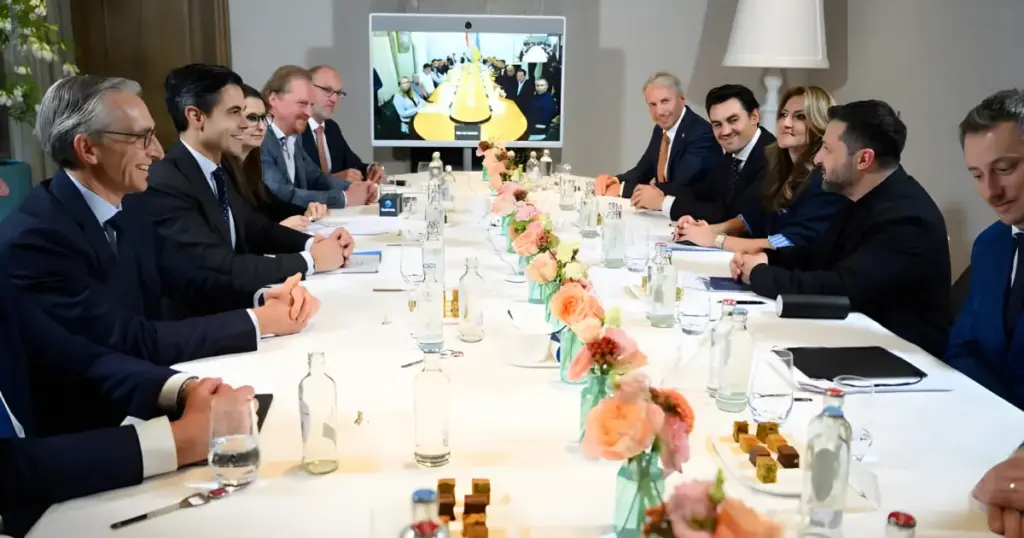
Austrian Foreign Minister Beate Meinl-Reisinger, during a meeting of EU foreign ministers in Brussels, emphasized the need for a more active role for European institutions. She stated that Europe must not remain on the sidelines of the negotiation process regarding the future security architecture of the region.
Structure of the negotiation mandate
The document proposed by Austria clearly defines priorities for upcoming discussions. It includes mechanisms for monitoring a potential ceasefire, suggesting the use of EU technical resources, such as satellite systems, as well as the expertise of the OSCE and the IAEA.
The humanitarian pillar focuses on coordinating aid for Ukraine, particularly during the winter period, as well as efforts to return children deported by the russian side. The economic section explores the use of sanctions and other economic leverage as diplomatic tools against russia.
Vienna’s stance
“It is important that the discussion on the scope of authority has started now. We must adopt a specific, meaningful mandate at the next Council meeting,” Beate Meinl-Reisinger declared. The minister added that agreeing on the delegation’s composition was only the first step, while the group’s functional tasks remain subject to further negotiation.
The Austrian government reaffirmed its unwavering support for Ukraine’s sovereignty and territorial integrity. The ministry emphasized that a peace settlement cannot come at the expense of Ukrainian interests, and the aggressor must be held accountable for the damages caused.
It should be noted that the format for European representation in negotiations, which includes EU institutions and the E5 nations, was agreed upon by European leaders on November 13 in Dublin. The Austrian proposal is intended to specify the powers of this group to ensure a unified position from Brussels.
Photo: Über dts Nachrichtenagentur
Read also: Gerhard Boesch appointed head of Sens Bank supervisory board