The EU is forced to compete with Asia for additional LNG volumes worth 7 billion euros
European countries are starting the heating season with insufficient gas volumes in storage. This creates a risk of significant price hikes for energy resources due to the need for active procurement on the global market amid high competition. This was reported by Minfin citing Bloomberg, according to the portal PromPolitInform.
According to expert estimates, to reach a storage capacity level of 75%, European nations need to purchase an additional 100 TWh of gas. The estimated cost of this volume of fuel is about 7 billion euros. Despite measures taken after the 2022 crisis, gas injection rates this summer were below planned levels due to high prices and logistical disruptions in the liquefied natural gas market.
Geopolitical factors of the energy market
Additional tension is caused by the situation around the Strait of Hormuz, through which a significant portion of global LNG supplies passes. Military escalation in this region threatens logistical disruptions, forcing EU buyers to compete more aggressively for available fuel volumes, particularly with Asian countries.
The most critical situation is observed in certain states where the pace of resource accumulation has been insufficient. Specifically, German gas storage facilities were only half full at the end of August, forcing the government in Berlin to urgently accelerate injection rates to prepare for the winter months.
Impact on prices and economic indicators
Kpler analyst Go Katajama does not rule out that gas prices in Europe could exceed 100 euros per MWh during the winter period. As gas remains a key element not only in heating but also in electricity generation and industry, its price increase will inevitably lead to higher business costs and rising tariffs for end consumers.
This creates new challenges for monetary policy, as the energy component is a significant factor in inflation. According to forecasts by Oxford Economics, in an adverse scenario, inflation in European countries could exceed 6%, forcing central banks to maintain high interest rates for a long time, thereby limiting economic growth.
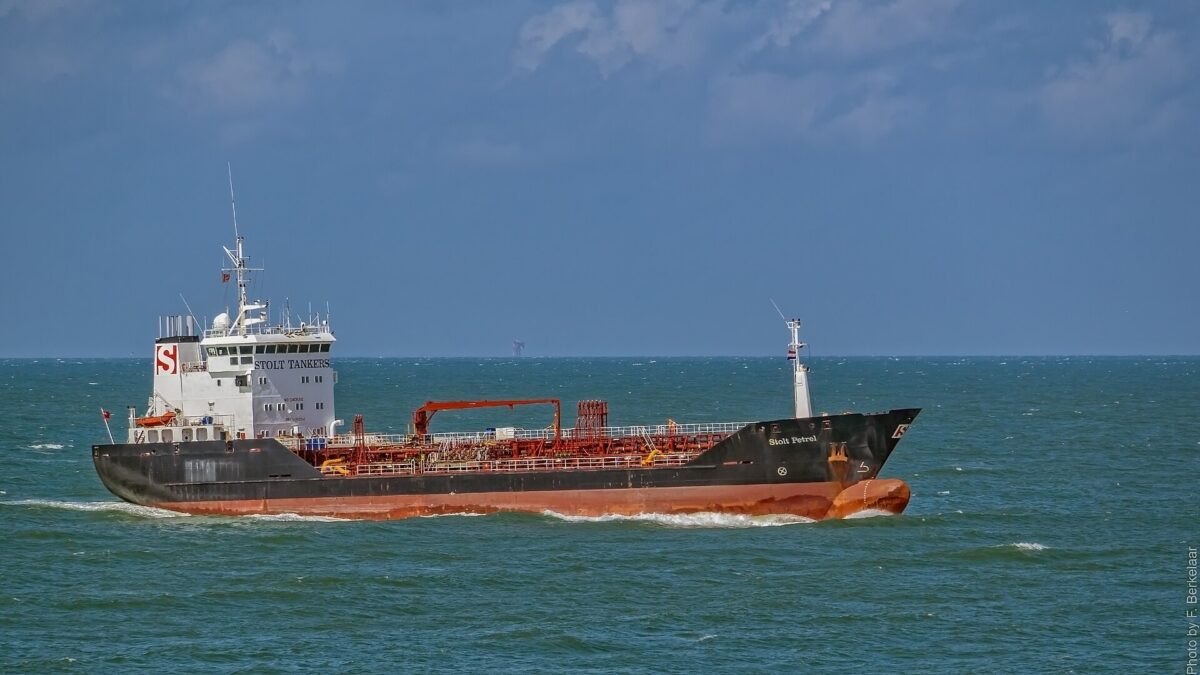
Illustrative photo: Frans Berkelaar / CC BY 2.0
Read also: Fuel prices at Ukrainian gas stations may rise by 5 UAH per liter within two weeks