Disruption of logistics routes complicates the supply of occupation forces
Up to 300,000 Russian service members are at risk of operational encirclement due to the geographical features of the Crimean Peninsula and the control of supply routes by the Armed Forces of Ukraine. Severing primary logistics corridors significantly diminishes the enemy's combat capability. This is reported by the portal PromPolitInform, citing the Telegram channel of Crimean Wind, based on data from Roman Svitan.
The Crimean Peninsula is, by its geography, a natural cauldron due to its location between two seas. Disrupting the stability of primary transport corridors creates prerequisites for significantly limiting the resource provision of Russian units in this territory.
Critical logistics routes
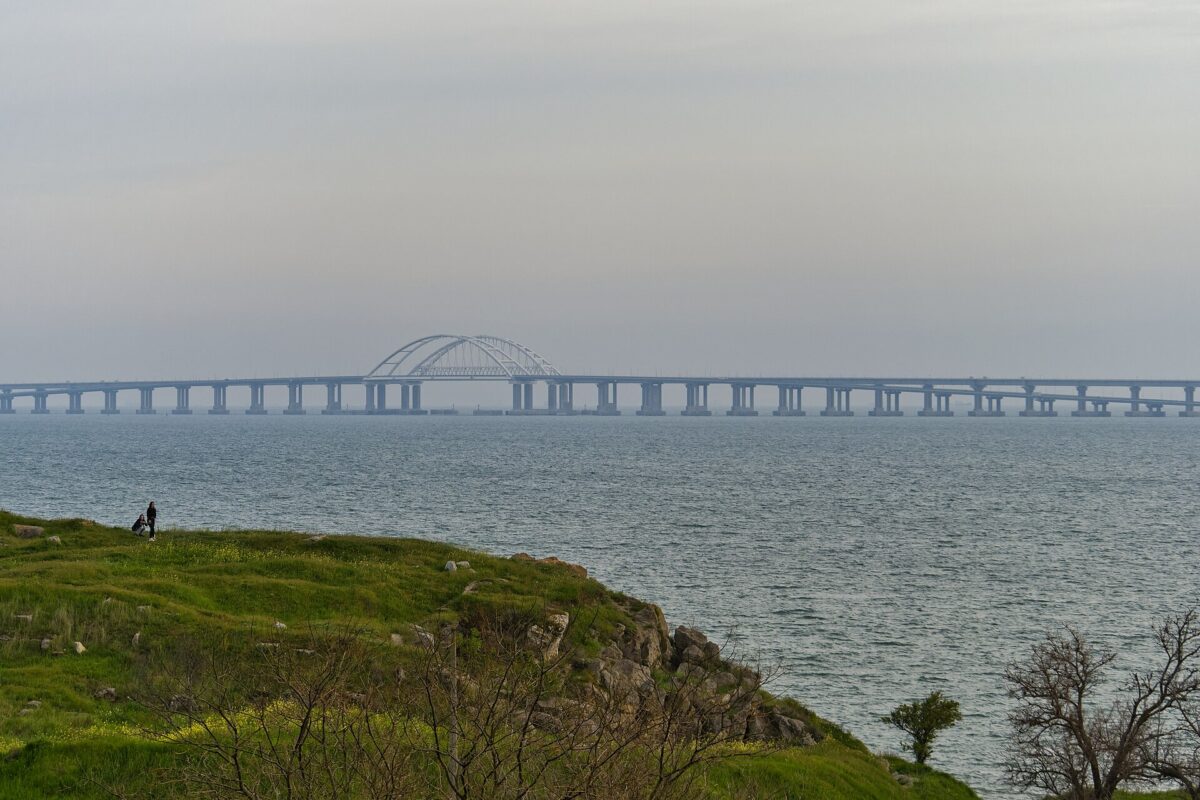
Today, the link from the Taman side via the Kerch Bridge is damaged, and the northern direction is under the fire control of Ukrainian Armed Forces weaponry. Of particular importance is the segment between Berdyansk and Melitopol, where the depth of the engagement zone is approximately 100 km.
Such a distance allows for the effective use of drone systems and constant monitoring of the routes the Russians use to supply their troop group. Regular strikes on these logistics chains make organizing stable supply an extremely difficult task.
Isolation of enemy groups
Striking the Kerch Bridge, combined with control over the land corridor, effectively cuts off not only Crimea but also a significant portion of occupation forces in the Kherson and Zaporizhzhia directions from supply lines originating in Russia. This applies to groups located west and northwest of Melitopol.
It has now become difficult for the occupiers to organize uninterrupted flow of ammunition and fuel. The route, approximately 500 kilometers long, running from Rostov through Tokmak to Oleshky or Vasylivka, is constantly under the threat of Ukrainian strikes.
Scale of logistics
According to military experts, between 250,000 and 300,000 Russian military personnel could find themselves in a zone of operational encirclement. The large size of the personnel requires daily delivery of massive volumes of food and weaponry.
The intensity of combat operations significantly affects the load on the entire supply system. During offensive operations, the consumption of resources, specifically ammunition, can increase by three to four times compared to a defensive posture.
Illustrative photo: Alexxx1979 / CC BY-SA 4.0