This was written by Ivan Arefiev exclusively for the Prompolitinform portal.
From the first war winter to autumn 2026
2022–2023. The first large-scale campaign against the energy system. As early as March 16, 2022, less than a month after the start of the full-scale invasion, the energy systems of Ukraine and Moldova were synchronized with the Continental Europe network.
This laid the foundation for further cross-border electricity exchange. In the autumn, Russia switched to nationwide waves of strikes against energy infrastructure. The UN Commission counts this large-scale campaign from October 10, 2022.
According to the International Energy Agency, about half of Ukraine’s generating capacity was occupied, destroyed, or damaged during 2022–2023. About half of the large substations were also hit. By March 2023, the damage assessment already exceeded 10 billion dollars in the electricity, gas, heat supply, and coal mining sectors.
2024. Electricity shortages became a problem even in summer. From March to May, Ukraine lost another 9 GW of generating capacity, mainly at thermal and hydroelectric power plants, according to the IEA. The UN Monitoring Mission recorded nine waves of large-scale coordinated attacks on the power sector from March 22 to August 31. By summer, available generation was lagging behind peak demand by more than 2 GW. This is an important turning point in this history. Freezing temperatures amplify the impact of strikes, and power deficits after large-scale destruction can occur at any time of the year.
2025. Strikes against gas production intensified. According to Naftogaz estimates, Russia carried out 229 attacks on the group’s facilities throughout the year. This figure refers specifically to Naftogaz enterprises. The IEA called the strikes of October 3–4, 2025, the largest attack on Ukrainian gas infrastructure since the beginning of the full-scale invasion. Damage to production facilities forced Ukraine to compensate for losses with additional imports. Consequently, the problem of power grid restoration was joined by the question of how to ensure sufficient gas volume for the heating season.
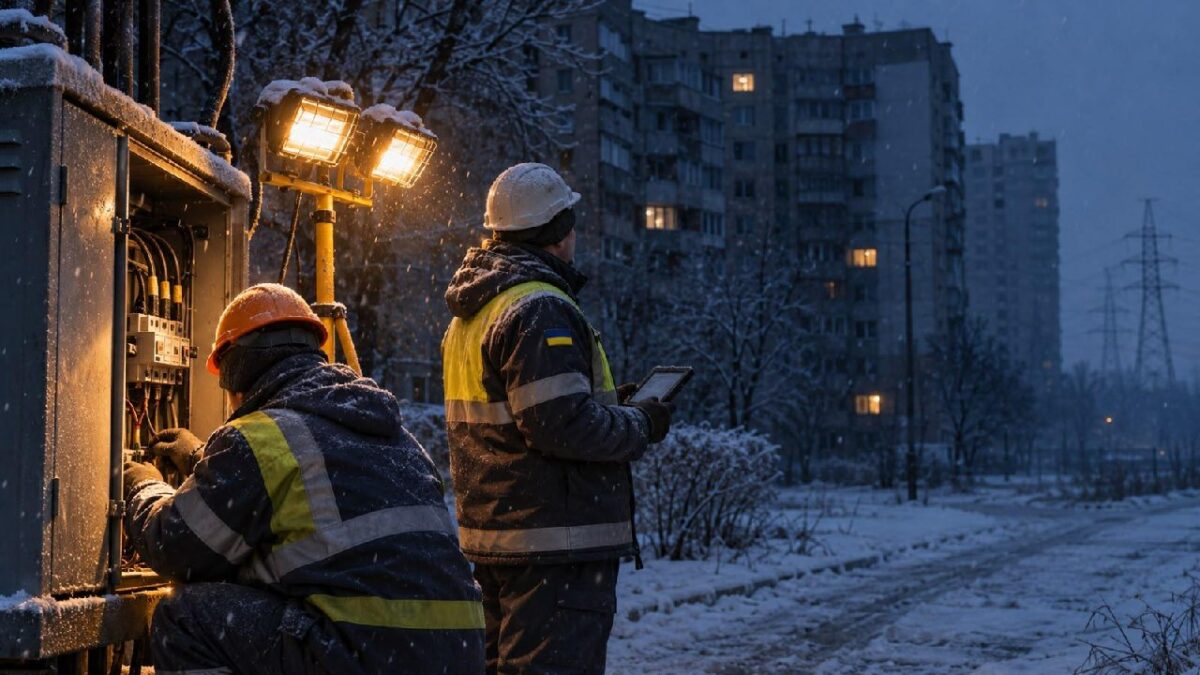
Winter 2025–2026. Cities lost heat for weeks. According to the UN Monitoring Mission report, Russian troops systematically attacked electricity and central heating facilities. Emergency blackouts affected millions of people. Heating interruptions affected hundreds of thousands, and some residents were left without heat or hot water for weeks when temperatures dropped below -20 °C. Power outages also disrupted water supply to apartment buildings, the operation of medical facilities, and school attendance. These consequences were particularly severe for the elderly and people with disabilities.
November 2026. Recovery continues under the threat of new strikes. After the attack on November 20, Ukraine was once again simultaneously restoring electricity, water, and heat supply in several cities. According to Prime Minister Serhii Koretskyi, repeated attacks in the Odesa region complicated the work of repair crews. The duration of outages also depends on when specialists can safely reach the damaged equipment and complete repairs.
What top officials are saying
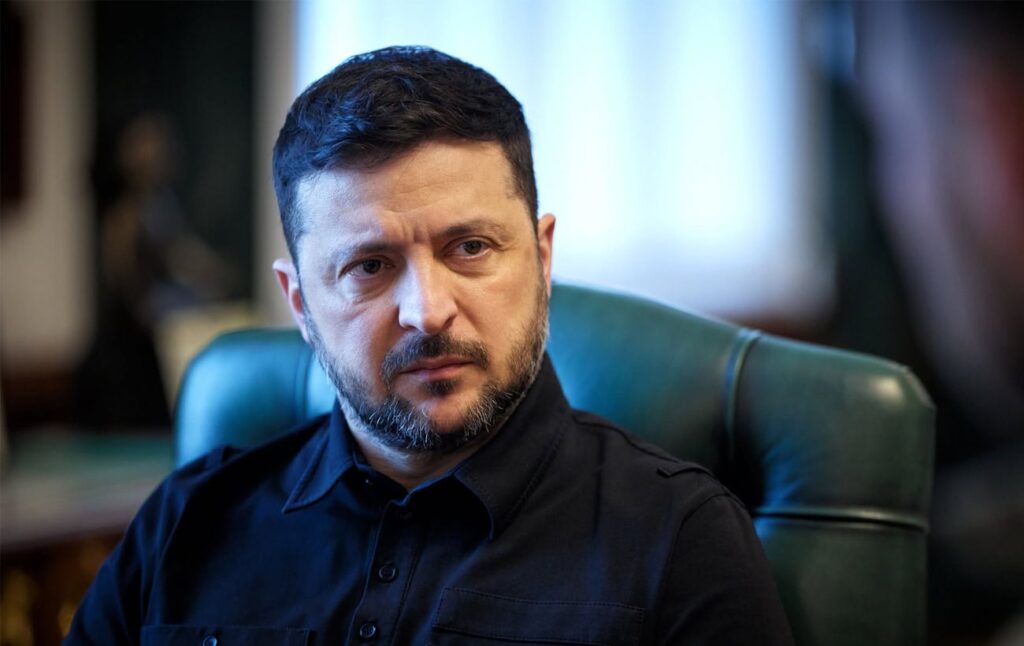
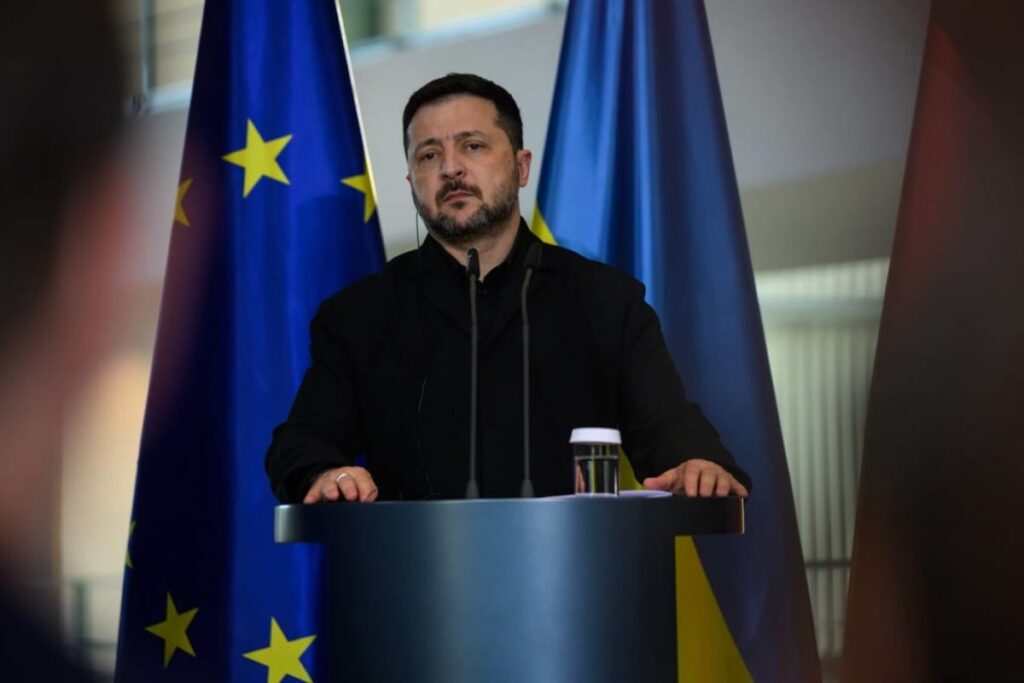
Volodymyr Zelenskyy, President of Ukraine. After the Staff meeting on November 9, 2026, the President said that, according to the Ukrainian leadership, Russia is trying to “divide Ukraine along the Dnieper and make people’s lives as miserable as possible.” At the meeting of the Coalition of the Willing in Berlin on November 19, he named strengthening air defense as a priority for protecting cities, villages, energy facilities, bridges, and logistics. Thus, in negotiations with partners, the Ukrainian side places the protection of energy supply on a par with the protection of transport links and residential areas.
Serhii Koretskyi, Prime Minister of Ukraine. At a meeting on November 22, 2026, he announced that the government is preparing a decision on priority restoration of water supply after shelling and strengthening repair teams. The involvement of the State Special Transport Service in restoration work was also worked out separately. The Prime Minister also emphasized the need to respond more quickly to prolonged local outages, when electricity is absent in individual buildings or districts for several days.
Friedrich Merz, Federal Chancellor of Germany. Following Zelenskyy’s meeting with Merz on November 3, the Office of the President reported that Germany would provide Ukraine with a winter support package. The Ukrainian side noted Berlin’s contribution to strengthening air defense and supporting the energy sector. For Ukraine, these areas complement each other. Air defense reduces the risk of further destruction, and energy assistance supports the operation of systems that have already been hit.
Freezing temperatures amplify the impact of Russian missile strikes
In cold weather, the demand for electricity and heat increases. If some generating capacity is already damaged, it is harder for the energy system to cover peak consumption. Grid damage creates another problem. Electricity may be available in the system, but it is harder to deliver to a specific city or district. For residents of an apartment building, both problems can have a similar outcome. Along with the light, the water disappears, and eventually, the radiators cool down because the operation of pumps and heating points depends on power. Experience from the previous winter showed that in severe frosts, the duration of such outages directly affects people’s living conditions.
Following the campaign since October 2022, it is clear that repeated strikes on different parts of energy supply can have a cumulative effect. While networks are being restored in one region, generation or heat supply must be brought back online in another. Imports help cover some of the electricity deficit. Protecting facilities reduces the risk of new damage. Backup power for boiler houses and water utilities gives communities time while repairs are underway. Resilience in winter depends on how quickly these measures work together.
For residents, practical preparation begins with a supply of drinking water for two to three days, charged power banks, a flashlight, necessary medicines, and food that can be eaten without heating. It is worth knowing in advance where the nearest shelter is and where one can go to warm up or charge a phone in case of a prolonged outage. During an air raid alert, one should head to a shelter, and regarding water, heat, and light, follow the announcements of local authorities and public utilities.
On the eve of the sixth war winter, the main question can be formulated very concretely. How long are cities able to provide people with water and heat if the power goes out and the next alert interrupts repairs? It is this answer that determines whether an outage will remain a few-hour inconvenience or escalate into a multi-day crisis for entire districts.
Author: Ivan Arefiev
Photo: collage by Andrii Atlantov
Illustrative photo: UK Government / CC BY 2.0
Read also: Zelenskyy: Intelligence data on RF preparation for new strikes on Ukraine