The government is aligning tax regulations for overseas companies with the requirements of the ATAD Directive
The Cabinet of Ministers of Ukraine has approved a bill that adapts domestic tax rules for controlled foreign companies to European Union requirements. The updates are based on Articles 7 and 8 of EU Directive 2016/1164, aimed at countering tax avoidance. This is reported by the portal PromPolitInform, citing information from the Cabinet of Ministers of Ukraine, based on data from the Ministry of Finance of Ukraine.
The government decision, adopted on November 25, aims to provide more reliable protection for the state’s financial interests. The document focuses on preventing situations where profits accumulated by Ukrainian residents in controlled structures abroad escape taxation in Ukraine through the use of jurisdictions with favorable tax conditions.
Amendments are being made directly to Article 39-2 of the Tax Code, which will allow for the harmonization of national legislation with the standards of the Anti-Tax Avoidance Directive. At the same time, the state reserves the right to collect taxes on specific categories of income generated by such foreign companies.
Optimization of administrative procedures
In addition to aligning rules with European norms, the initiative provides for the elimination of certain benefits that previously reduced the effectiveness of tax control. At the same time, the project developers sought to simplify bureaucratic procedures, reducing the excessive burden on compliant taxpayers that had arisen under previously existing rules.
Recall that the definition of a controlled foreign company includes entities owned or managed by Ukrainian residents. Control criteria remain ownership of more than 50%, or 25% subject to collective control by Ukrainian residents, or the direct exercise of actual business management.
International taxation practice
Mechanisms for controlling foreign assets are part of the BEPS Action Plan developed by the OECD and G20. For European Union countries, adherence to these directives is a mandatory minimum standard that ensures income transparency and prevents base erosion.
In Ukraine, the corresponding rules were implemented back in 2020, but currently, they have certain differences from their European counterparts. In particular, current legislation requires reporting on all controlled companies without exception, and the entire profit, rather than just its individual passive parts, is considered the object of taxation.
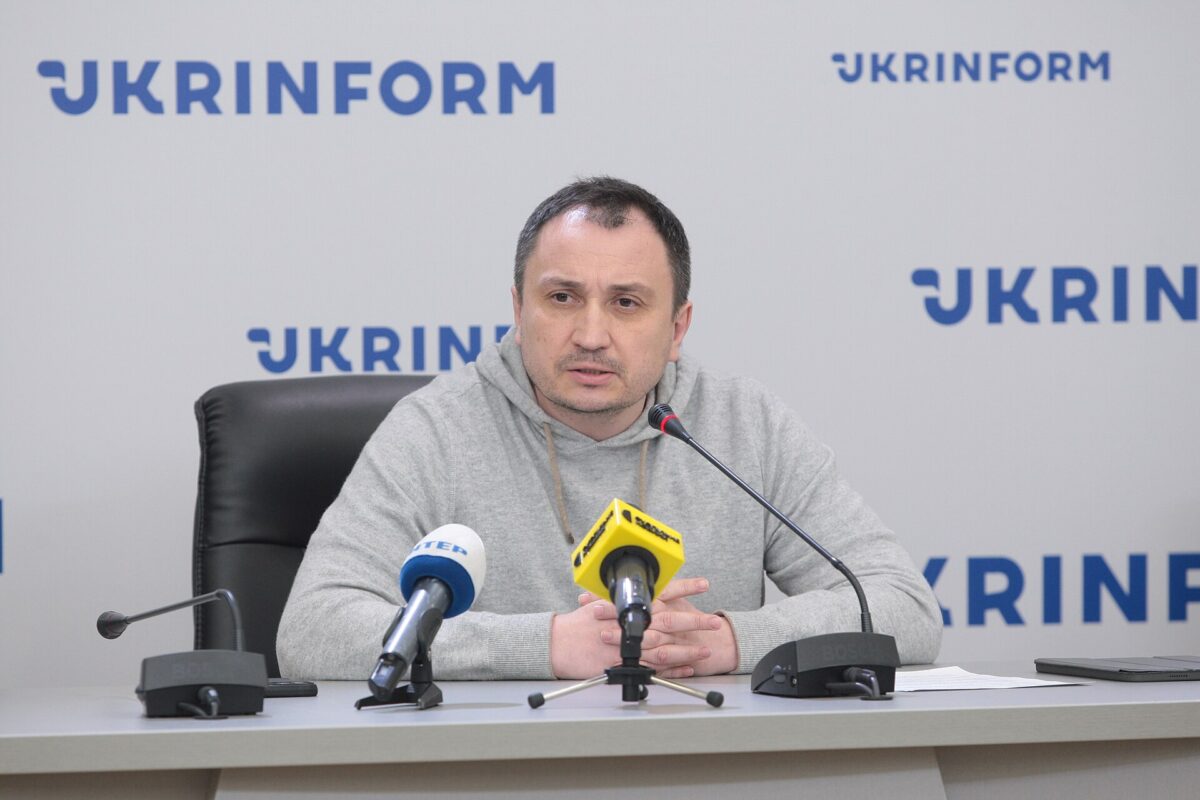
Illustrative photo: Ministry of Agrarian Policy and Food of Ukraine / CC BY 4.0