Ukraine has completely halted electricity exports following a Russian strike on November 20, which damaged energy infrastructure and restricted the capacity to transmit electricity between regions. Meanwhile, electricity imports surged nearly 3.5-fold the following day, reaching their highest level since mid-June. This is according to the November economic review by the Centre for Economic Strategy (CES), as reported by Rubryka and the PromPolitInform portal.
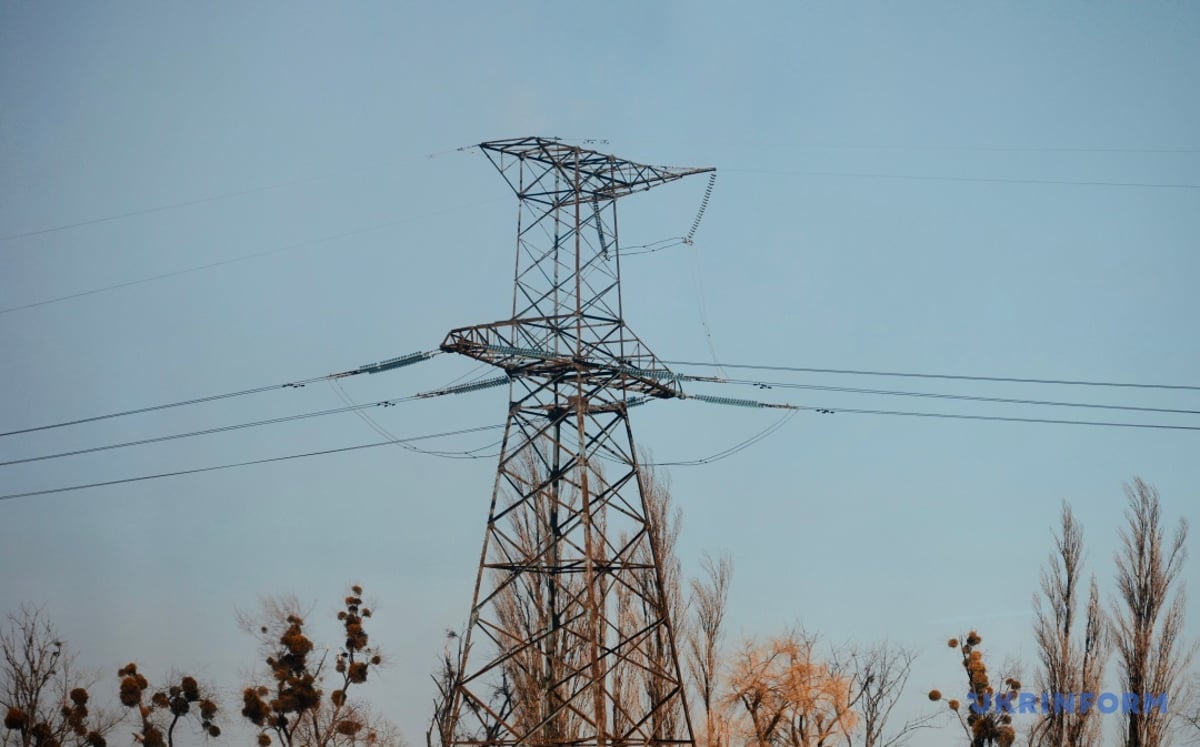
Experts note that since the beginning of September, Russian forces have launched over 1,000 strikes against Ukraine’s energy facilities. Targets have included not only power plants but also high-voltage substations, through which electricity is delivered to homes and businesses.
The CES explains that damage to the main transmission networks created a situation where surplus electricity in one area could not be used to cover a deficit in another. This is why Ukraine continued to export electricity even while the country was experiencing prolonged power outages.
“The damage to the main transmission networks explains why Ukraine continued to export electricity despite prolonged outages—surplus electricity in some regions could not compensate for deficits in others,” the CES explained.
A fresh strike on November 20 further exacerbated the situation. Due to network capacity constraints, Ukrainian nuclear power plants have been forced to reduce electricity generation.
On November 21, Ukraine sharply increased its electricity imports from other countries. According to Energy Map, daily imports rose from 5.7 GWh to 19.6 GWh—an increase of nearly 3.5 times.
Conversely, exports fell from 7.3 GWh to 0.8 GWh. By November 22, Ukraine had ceased electricity exports entirely.
Subsequently, the need for imports began to decline. Specifically, the volume stood at 15.4 GWh on November 24, dropping to 10.3 GWh on Wednesday and to 7 GWh on Thursday.
Ukraine sources the largest share of its electricity imports from Hungary.
Meanwhile, the Center for Economic Strategy (CES) notes that funding for the restoration of Ukraine’s energy infrastructure remains insufficient.
In October, the Energy Support Fund for Ukraine signed contracts for the procurement of equipment totaling a record €200 million. Since the beginning of the year, international donors have contributed nearly €800 million to the fund.
Nevertheless, the fund still faces a shortfall of approximately €450 million to meet the needs of Ukraine’s energy sector.
The CES also points out that this funding gap was calculated prior to the new wave of Russian attacks that occurred in late November. It should be noted that the Agency for Restoration cannot yet begin completing protective structures for energy facilities in the Kyiv region, as the Kyiv Regional Military Administration has not yet transferred them to the Agency’s balance sheet. Before this can happen, it is necessary to verify the work already completed, prepare documentation regarding the construction status, and transfer these records along with the facilities.