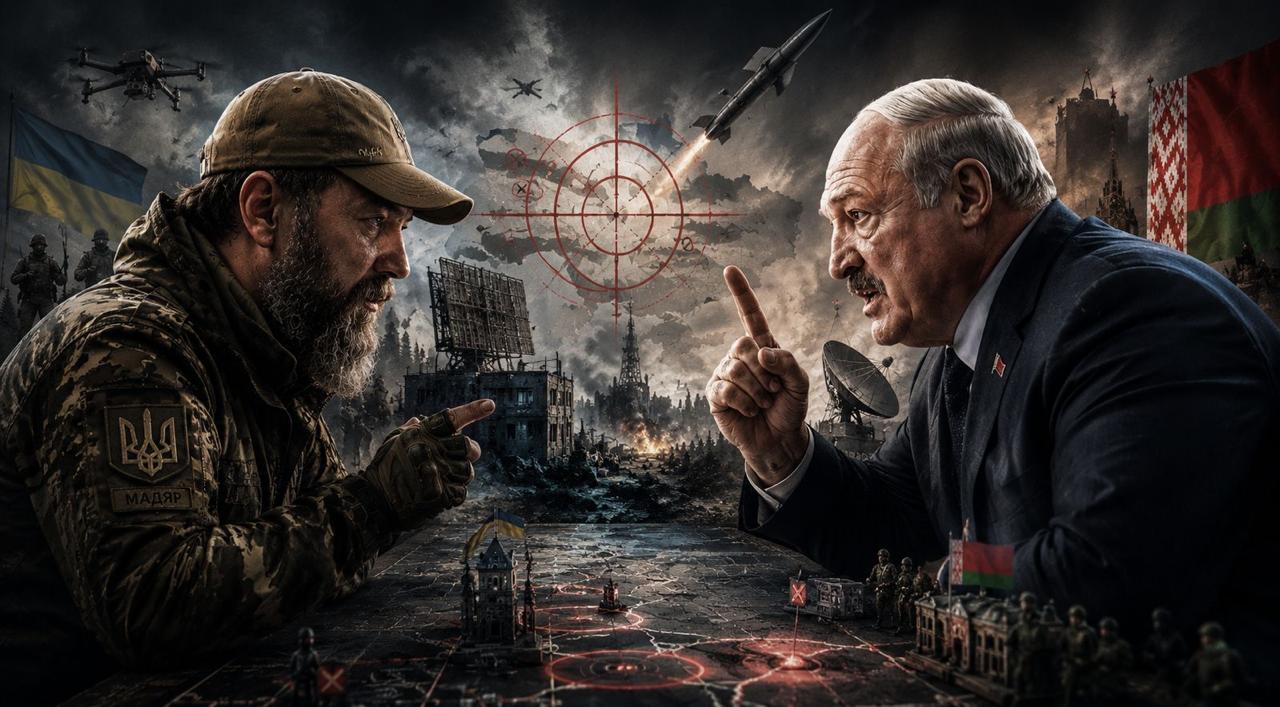
The statement by Belarus’ self-proclaimed president came after remarks by Robert Brovdi regarding 500 targets identified by Ukrainian forces on Belarusian territory. Experts view such statements as an element of information and political pressure.
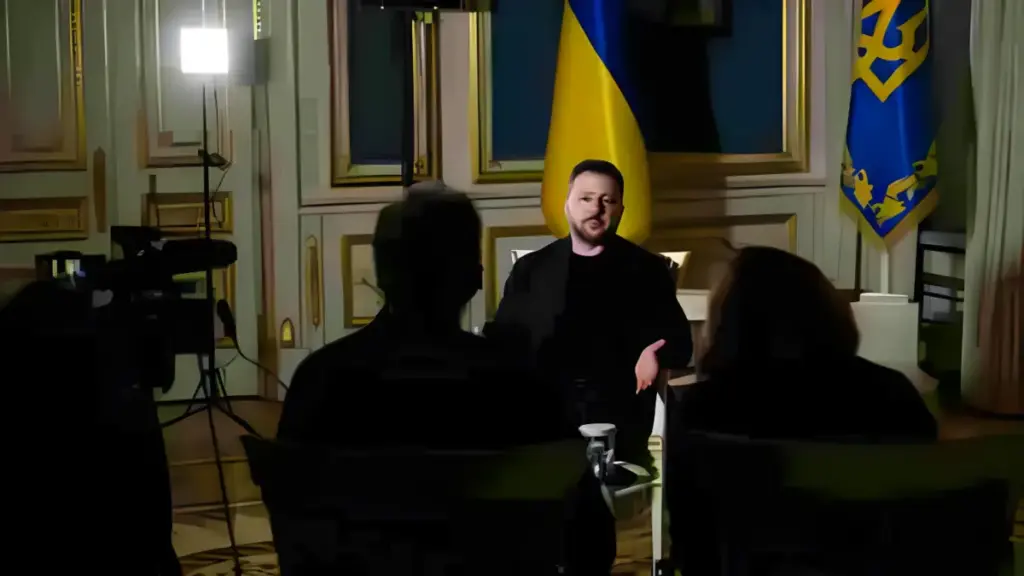
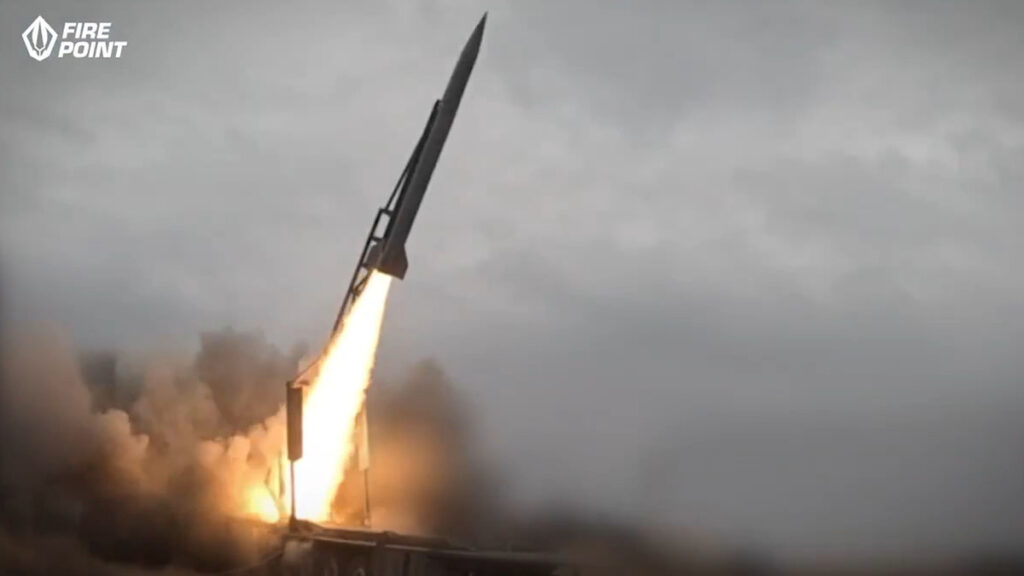
Belarus’ self-proclaimed president, Alexander Lukashenko, threatened to strike one “very serious” target in Ukraine, the coordinates of which Minsk allegedly possesses, following remarks by Commander of the Unmanned Systems Forces Robert Brovdi about 500 targets identified by Ukrainian forces on Belarusian territory.
Alexander Lukashenko’s response once again demonstrates Minsk’s characteristic model of public communication. It combines harsh rhetoric, demonstrative political signaling, and an attempt to emphasize its own agency within the regional security landscape.
Moreover, such statements serve an important domestic political function. They are primarily directed at a domestic audience and are intended to demonstrate control over the situation. Therefore, they are not only external signals but also a means of maintaining the image of a “strong state” within the country.
At the same time, the context in which this statement was made is no less important than its content. Since the beginning of Russia’s full-scale war against Ukraine, Belarus has remained a strategic ally of Moscow. Furthermore, its territory has been used as a platform for deploying Russian military assets, which automatically places Minsk within the broader security framework of the conflict despite official claims of “non-involvement.”
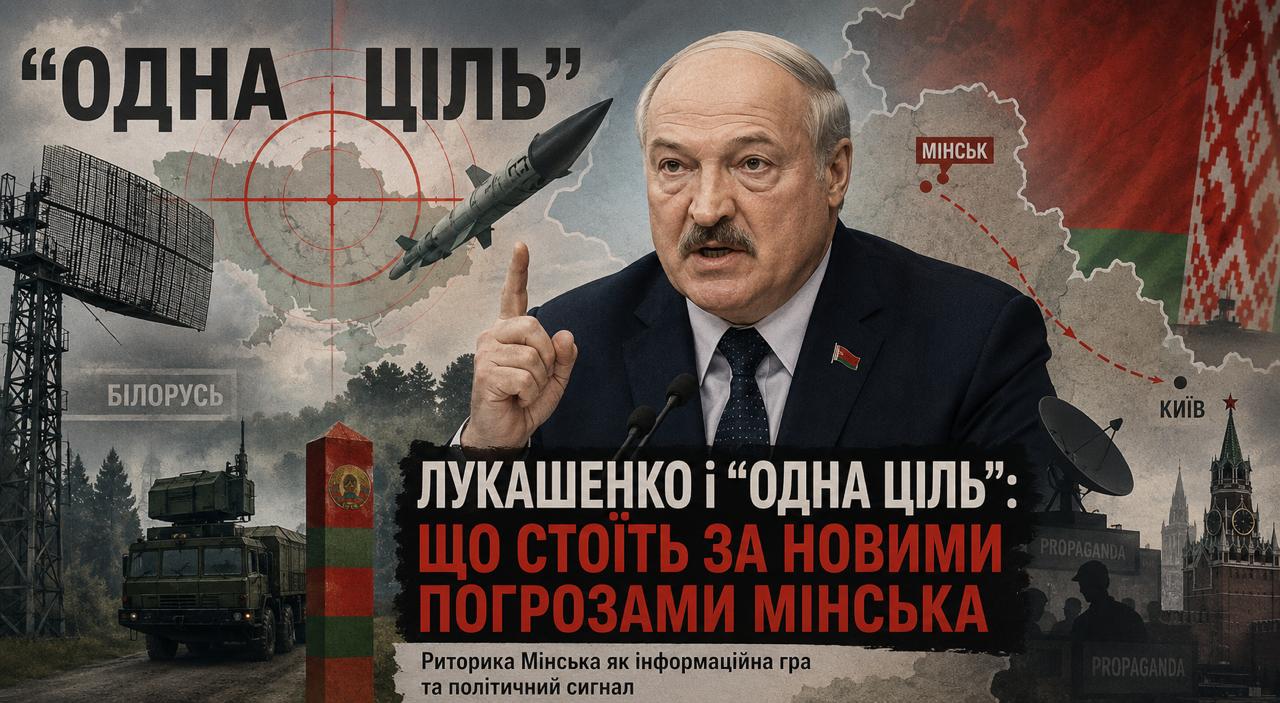
Therefore, statements by Ukrainian military officials regarding potential targets in Belarus should be viewed as an element of deterrence. In modern military logic, publicly outlining threats is often used to influence an adversary’s behavior. Meanwhile, Minsk’s corresponding rhetoric serves a mirror function—escalatory in form but largely political in substance.
It is also important to consider the informational dimension of such exchanges. They create a constant atmosphere of tension that all parties use for domestic consolidation and external signaling. As a result, each such statement carries more symbolic than operational significance.
In conclusion, Lukashenko’s rhetoric about “one target” does not constitute a specific military doctrine or operational plan. Rather, it is a political marker reflecting the current state of relations between Minsk, Moscow, and Kyiv. At the same time, it illustrates how, in modern conflicts, informational signals often substitute for traditional diplomacy, while public statements become instruments of influence no less significant than actual actions.
Author: Andriy Atlantov
Author’s collage