In Paris, Ukraine and nine European countries signed a declaration on the creation of a defense coalition for a joint air defense system. The coalition will combine the defense-industrial base and experience, in particular, Ukraine’s unique experience in protecting against Russian aggression.
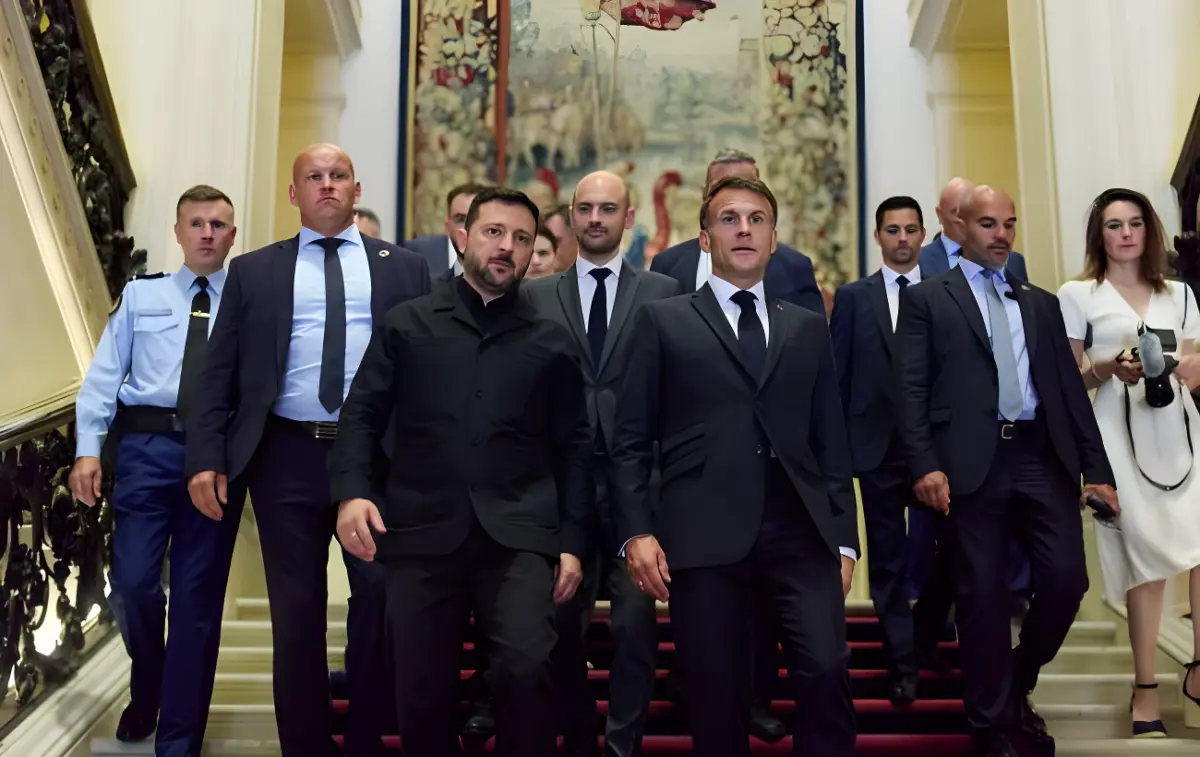
Today in Paris, Ukraine and 9 European countries signed a declaration on the creation of an exclusively defense coalition, within the framework of which they will work on creating a joint missile defense system. Within the framework of the Anti-Ballistic Coalition, the countries plan to combine the defense-industrial base and existing developments in the field of air defense to create joint defense, UNN writes. The PromPolitInform portal reports.
The declaration, in addition to Ukraine, was signed by the leaders of Denmark, France, Germany, Italy, the Netherlands, Norway, Spain, Sweden and the United Kingdom.
In the documents, the leaders recognized the growth of the ballistic threat and “the importance of defense potential for the security of the European continent.”
“We recognize Ukraine’s unique experience gained in defending against Russian aggression,” the document says.
The Anti-Ballistic Missile Coalition members believe that protecting Europe requires a global solution of an integrated missile defense architecture to deter and defeat future missile threats. This solution should be developed “through collective efforts, technological openness and trustful industrial cooperation.”
The system should complement the existing missile defense systems available in the participating countries.
“By pooling our defense-industrial base, our research, and our operational experience, we aim to create a common missile defense capability for Europe and support the activities that contribute to this. We do not do this against any nations, but to protect our own,” the document states.
Further steps for the implementation of a common air defense system should be to establish common operational requirements, joint technical work, establish clear management mechanisms, and develop a roadmap to achieve the first operational capabilities. The countries also plan to support joint research and development activities.
Let us remind you that today, July 13, a meeting of European leaders was held in Paris dedicated to the creation of the European anti-ballistic shield FREYJA initiated by Ukraine.
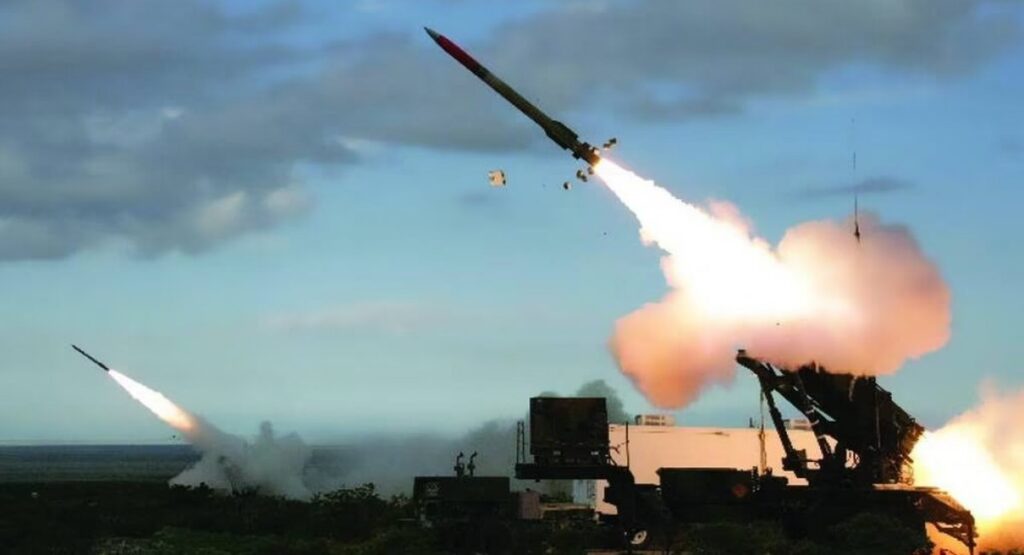
As the President noted, he set the task for Ukrainian arms manufacturers to create a cheaper analogue of Patriot, which could be mass-produced.
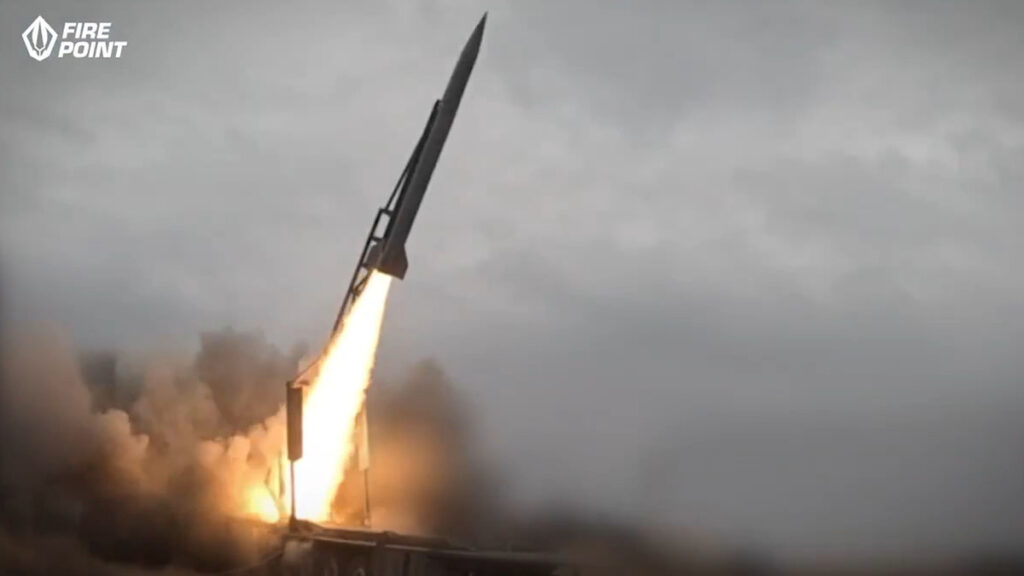
Ukrainian arms manufacturer Fire Point has created the FP-7.x interceptor missile, which has already been tested at maximum accelerations and maneuvers that it can perform to intercept ballistics. The cost of this missile is about $700,000 per unit, compared to $3.8 million for one American Patriot missile.
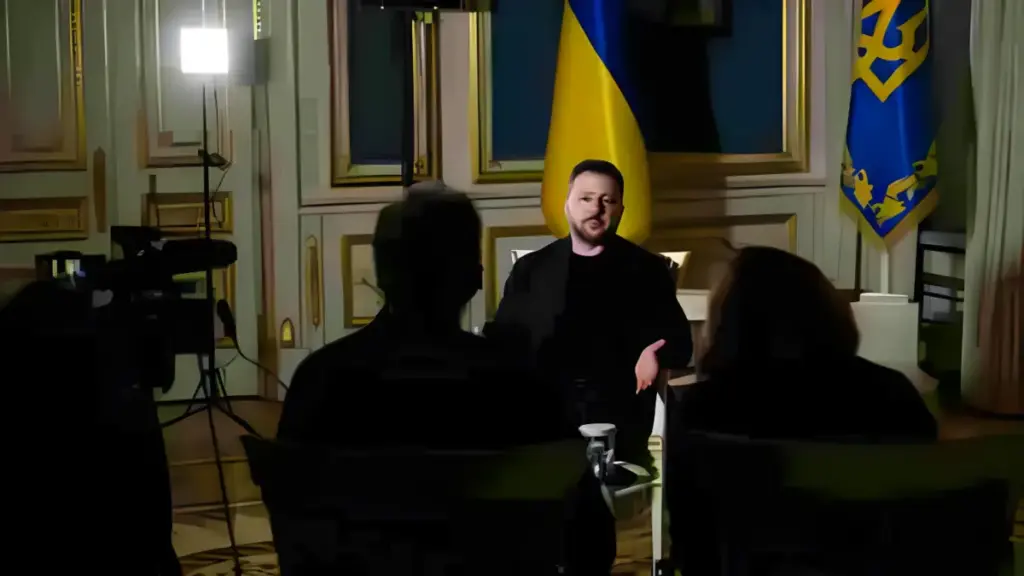
The Freyja pan-European anti-ballistic shield was immediately conceived as one that would unite European partners. As President Zelensky noted, Ukraine is capable of creating such a system independently, but it will take years, because in addition to the FREYJA missile, it requires the integration of a number of components.
Even before signing the declaration on the creation of the Anti-Ballistic Coalition, the Ukrainian company Fire Point signed an agreement with the German radar manufacturer Hensoldt. It is known from open sources that in addition to German long-range detection radars, the system will probably also include the Weibel GFTR-2100/48 illumination and guidance radar or Leonardo KRONOS Land. The command post is expected to be based on the Norwegian Kongsberg Fire Distribution Center. One of the key features of the system will be the open architecture and the use of Network Access Nodes modules, which will allow the integration of additional solutions and components.
Data exchange between all elements of the complex will be carried out via the Link 16 tactical channel, standardized in accordance with STANAG 5516. This protocol should ensure the integration of Freyja into the existing air defense system of Ukraine and other European countries.
As stated by the co-founder and chief designer of Fire Point Denis Shtilerman, the key difference of the Freyja project is its independence from external control. He explained that modern Western air defense systems often operate in a closed architecture format, when the supplier country or manufacturer, in fact, retains control over critical elements of the system. It is expected that the project architecture will be implemented in such a way that new partner countries can easily join it.