Over the past day, 234 combat clashes took place along the frontline, with invaders demonstrating the highest activity in the Pokrovsk direction. Russian forces continue intensive strikes on civilian and military infrastructure using aerial bombs and drones. This was reported by Ukrinform citing the General Staff of the Armed Forces of Ukraine, according to the portal PromPolitInform.
According to military command, the occupiers launched 99 airstrikes, dropping 330 guided aerial bombs. Furthermore, the use of 10,459 UAVs and over three thousand artillery shells was recorded.
Strikes on border and rear areas
Settlements in Sumy Oblast, including Korenok, Ulanove, and Bachivsk, suffered significant shelling. In Zaporizhzhia, 970 enemy strikes were recorded, resulting in six people being wounded in Zaporizhzhia and the surrounding district.
In the North-Slobozhanske and Kursk directions, the Defense Forces repelled four attempts by the Russian army to storm positions. Ukrainian artillery and aviation units struck a concentration area of enemy manpower, four drone control centers, and three command and observation posts.
Situation in active frontline sectors
The highest number of battles, 26 attacks, occurred in the Pokrovsk direction, where the enemy attempted to advance near Bilytske, Kotlyne, and Molodetske. 24 enemy assaults were recorded in the Kostiantynivka direction, 19 in the Sloviansk direction, 17 in the South-Slobozhanske direction, and 11 in the Lyman direction.
Total combat losses of Russian invaders since the beginning of the full-scale invasion reached approximately 1,472,640 people as of August 20, 2026. Meanwhile, no offensive enemy groupings were detected in the Volyn and Polissia directions.
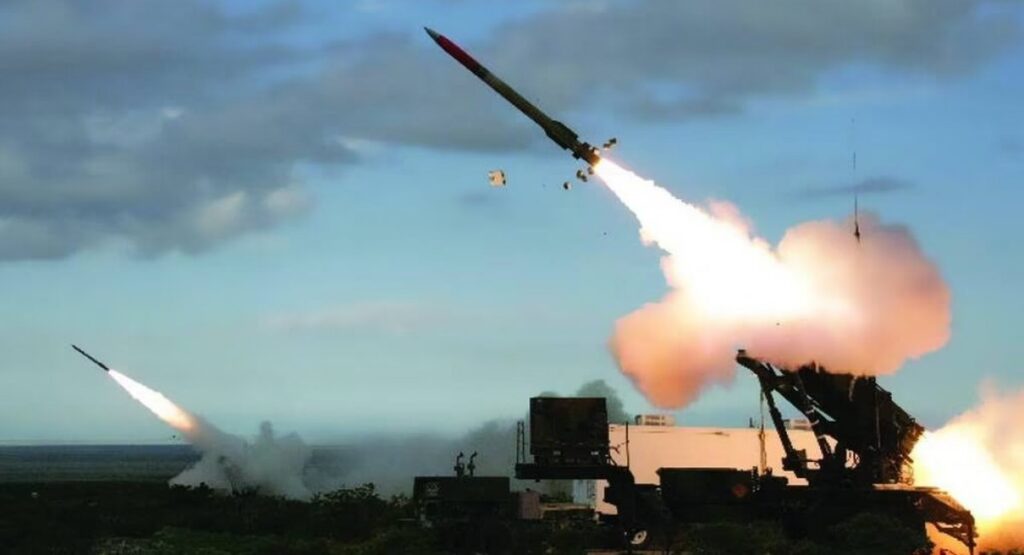
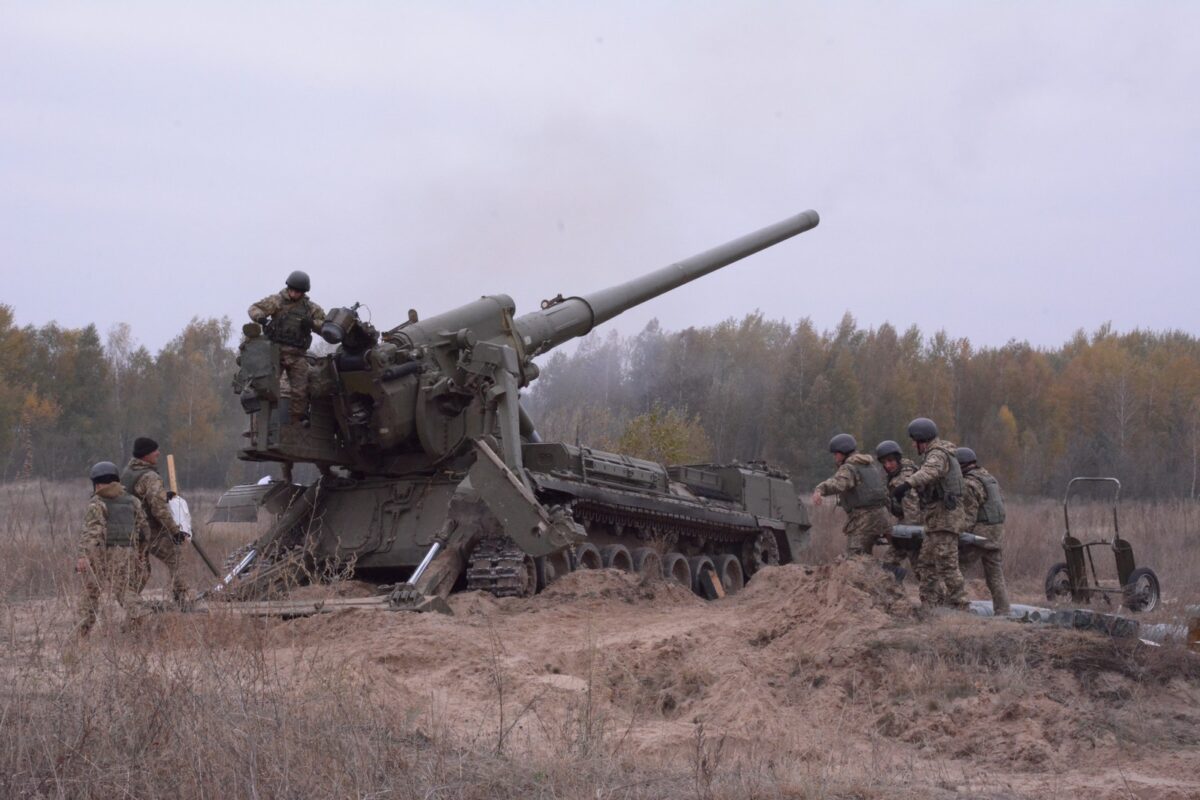
Illustrative photo: Ministry of Defense of Ukraine / CC BY-SA 2.0
Read also: Yevheniy Khmara calls mobilization a complex task