The Kremlin tightens control over goods amid a federal budget deficit reaching 2.8% of GDP
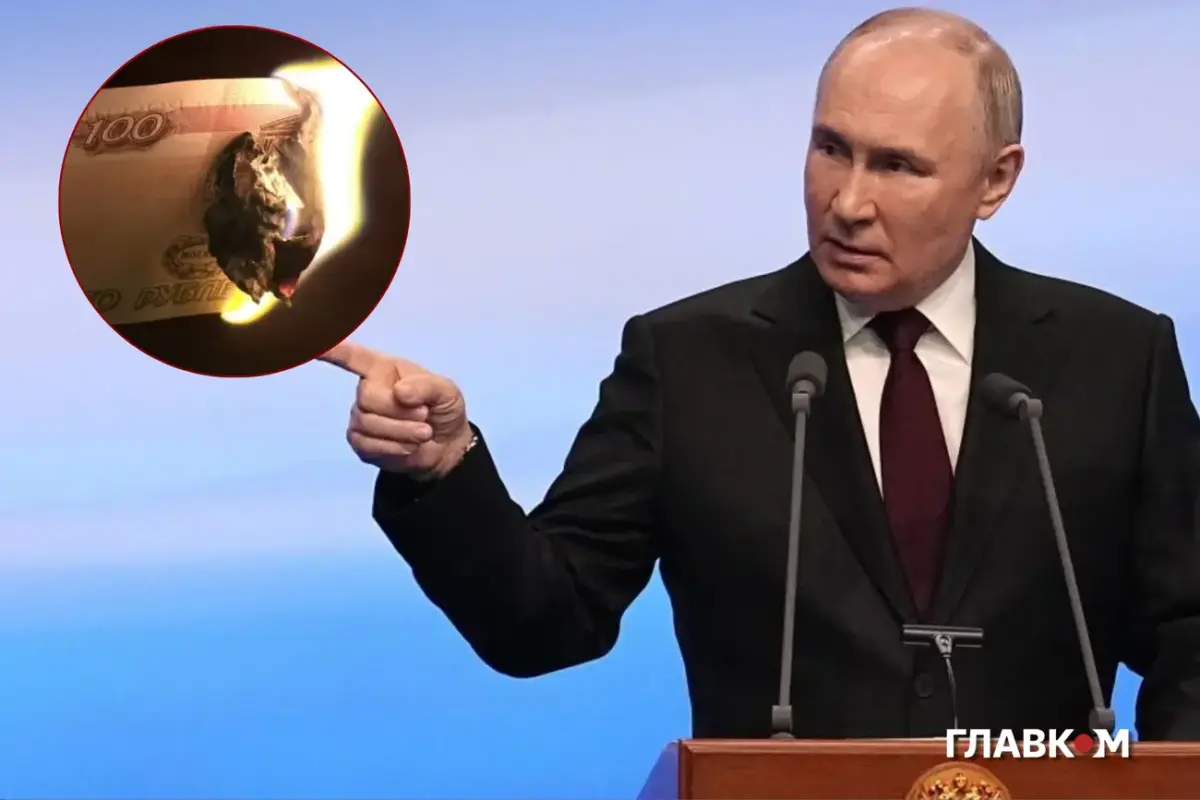
Russian President Vladimir Putin will hold an emergency meeting with the government on September 10 to expand the digital marking system 'Honest Mark'. The decision comes as Russia's federal budget deficit grew to 6.46 trillion rubles in the first seven months of 2026. This was reported by Glavcom, according to the portal PromPolitInform.
Vladimir Putin is convening an emergency meeting with cabinet members on September 10, focusing on expanding the scope of the ‘Honest Mark’ digital product tracking system. The Kremlin plans to integrate this tool into economic control mechanisms to combat shadow sectors and attempt to offset critical state financial deficits. This was reported by Glavcom, citing Russian media data.
Financial Indicators and Crisis Causes
According to official data, the federal budget deficit for the first half and seven months of 2026 reached 6.46 trillion rubles, approximately 2.8% of the country’s gross domestic product. This figure is 40% higher than the same period last year, whereas the approved plan anticipated a significantly lower debt burden level.
The primary cause of financial instability is identified as the rapid increase in spending on military operations against Ukraine. The government is forced to balance between increasing tax pressure, borrowing, and slowing economic growth. The president himself acknowledged the deficit growth but characterized it as non-critical for system stability.
Expansion of ‘Honest Mark’ Functionality
The ‘Honest Mark’ system, which tracks product movement from manufacturer to end consumer, currently covers 51 categories of goods. These include pharmaceuticals, dairy products, drinking water, children’s items, and household chemicals. Officials are paying special attention to the e-commerce sector, considered a priority area for detecting illegal trade.
Government representatives and entities like Rostec claim economic efficiency for the program. They estimate that the share of the illegal market has decreased from 26% to 9%, generating additional budget revenues of about 1.7 trillion rubles. Marking is transforming from a counterfeiting fight tool into a means of strengthening administrative control and maximizing tax receipts.
Economic Pressure and Energy Sector
Despite the need for economy, abandoning high military expenditures is not planned. Therefore, financial pressure is shifted to the real economy and business, which already operates under high rates and limited growth. Additional pressure on the Russian economy is exerted by Ukrainian strikes on critical infrastructure, particularly oil refineries.
Strike campaigns have caused fuel shortages and supply rationing. According to analytics firm Energy Aspects, in August, Russia’s oil refining capacity dropped to 3.8 million barrels per day, down from 5 million barrels a year earlier. This indicates a gradual depletion of the aggressor’s resource base through the loss of export capabilities.
Photo: AP, Politeka