The specialized task force was given 120 days to deliver an analytical report
A newly established White House working group will conduct a comprehensive risk assessment of artificial intelligence and determine federal government responsibilities. The team has been given 120 days to prepare the final report. This was reported by RBC-Ukraine (Едуард Ткач) citing The Wall Street Journal, according to the portal PromPolitInform.
US Director of National Intelligence Jay Clayton will head the new body. According to informed sources, the official will effectively take on the role of chief AI coordinator within the American administration.
The initiative to create the task force came from US President Donald Trump. The entity’s primary mission is to maintain US global leadership in advanced technologies while prioritizing the interests of the American people.
Mandate of the Superintelligence Force Task Group
The new White House entity was officially named the Superintelligence Force. Under its charter, the task group will draft response frameworks against societal threats stemming from deep tech integration.
At the same time, the body is tasked with preventing excessive regulatory burden that could stifle market competition and private innovation. Experts are expected to balance necessary oversight with the growth of the technology sector.
The team will analyze government threat alerts concerning cyberattacks, system breaches, jailbreaks, and related technical challenges. Based on these findings, the task force will recommend actionable ways to enhance state response capabilities within existing legal authority.
Drivers Behind Enhanced Oversight of Emerging Tech
The creation of the specialized working group follows growing public and expert concerns surrounding rapid AI advancement. Beyond potential disruption to the labor market, researchers point to expanding national security threats.
Key concerns include malicious use of artificial intelligence for complex hacking campaigns, weaponization, and the existential danger of uncontrolled superintelligent systems.
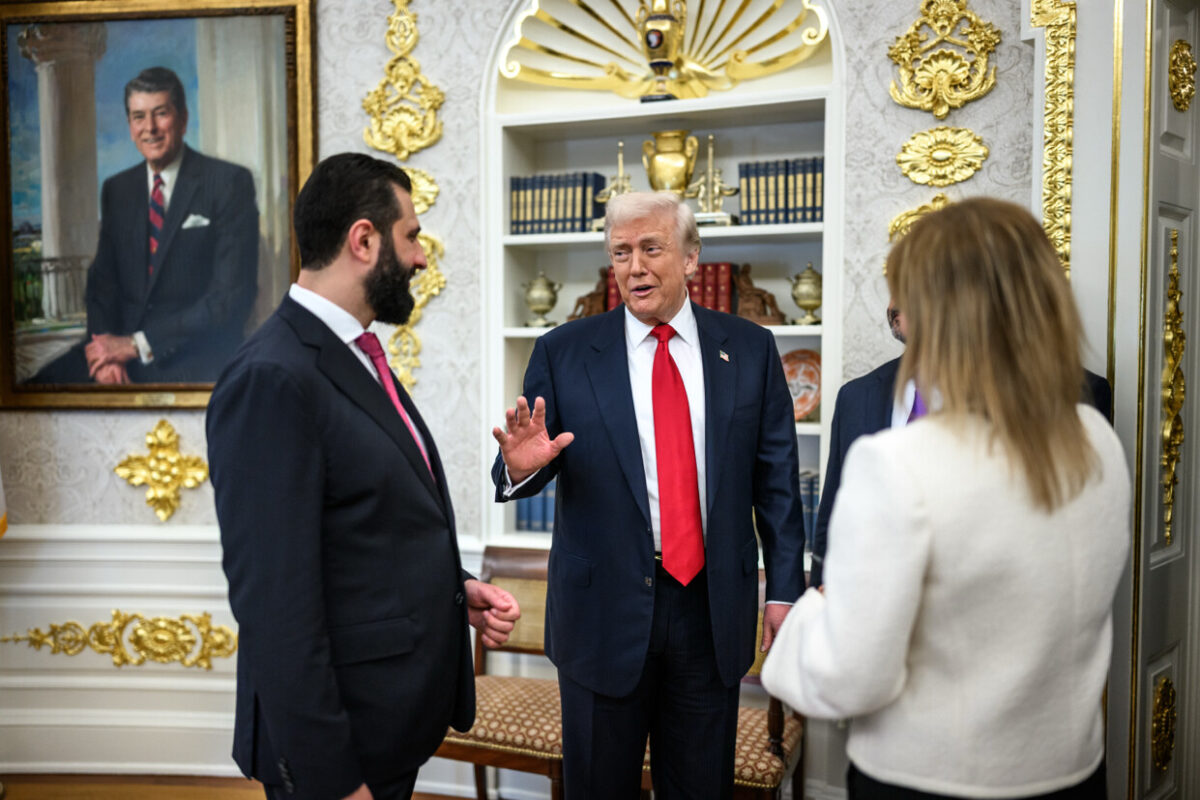
Illustrative photo: Donald Trump / Public domain
Read also: Presidential Sanctions Commissioner Names Countries Still Supplying Parts for Russian Weapons