The Ministry of Defence and the General Staff have already released UAH 15.6 billion through contract reviews
The Ukrainian government is once again demonstrating determination in optimizing the state apparatus by announcing large-scale changes in the structure of central executive bodies. The first stage of the reform plans significant staff reductions and a review of the functionality of agencies, which are supposed to become more efficient under conditions of total budget savings. However, a deeper analysis of the proposed measures reveals the traditional bureaucratic magic of numbers, where impressive reduction volumes conceal a reality that is entirely safe for the apparatus.
Prime Minister of Ukraine Serhii Koretskyi announced the start of the reform and the liquidation of over 4,000 vacant positions in central executive bodies in his Telegram channel. The reformers begin by ridding the staff schedule of “hot air”—positions that have not attracted real employees for years. This makes it possible to report successful efforts against bloated staffs without firing a single actual person and without paying severance packages.
Reduction of Deputies and Redistribution of Powers
In addition to dealing with unfilled vacancies, the government initiative includes somewhat more realistic steps regarding the leadership of agencies. Prime Minister of Ukraine Serhii Koretskyi announced in his Telegram channel the intention to reduce the number of deputy ministers by approximately 20 percent. Furthermore, in other central executive bodies, the number of deputy heads is planned to be cut by nearly 18 percent, tying these positions to actual workloads.
Alongside personnel decisions, the government is conducting a functional diagnostics of agencies to assess how well their tasks align with current state priorities. To monitor these processes, the work of the specialized State Administration Council has been resumed, comprising members of parliament, expert specialists, and representatives of the executive branch. During a meeting of this Council, participants already approved a transformation plan and assigned areas of responsibility for specific domains.
Personnel Renewal and Security Resource Search
Against the backdrop of liquidating staff units, officials promise to focus on the qualitative renewal of the public administration system. The plan includes developing new internship programs to attract young professionals, creating a separate mechanism for veteran integration, and improving the qualifications of current civil servants. Obviously, a smaller number of managers must be compensated by their higher efficiency and speed in decision-making.
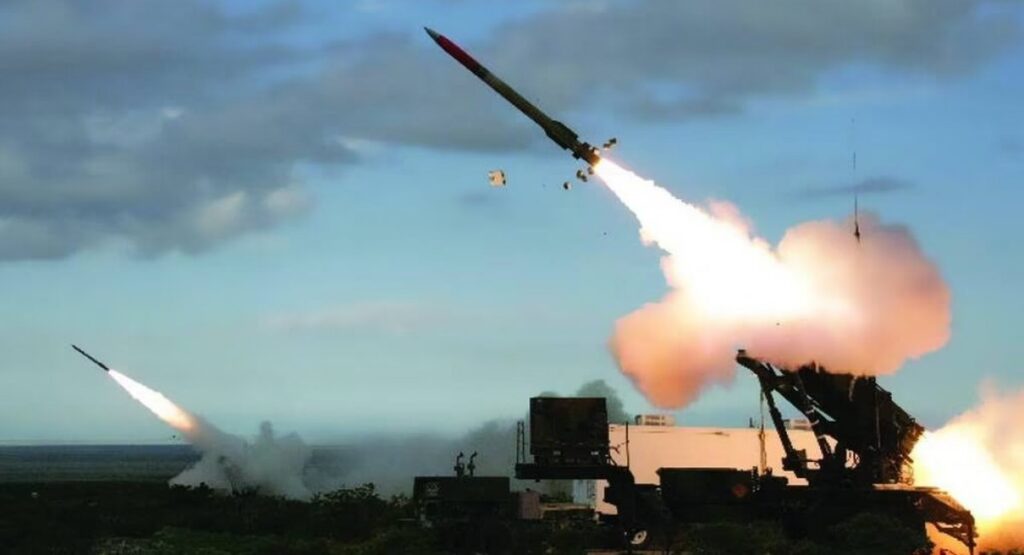
This austerity mode in the civil sector unfolds against the critical need for resources in the defense sphere. The Ministry of Defence of Ukraine, the General Staff of the Armed Forces of Ukraine, and the Logistics Forces Command announced in a joint decision the release of UAH 15.6 billion through the cancellation of certain procurements and the revision of concluded manufacturer contracts. Comparing these figures demonstrates that true expenditure optimization happens where actual cash flows are reviewed, not just paper vacancies.
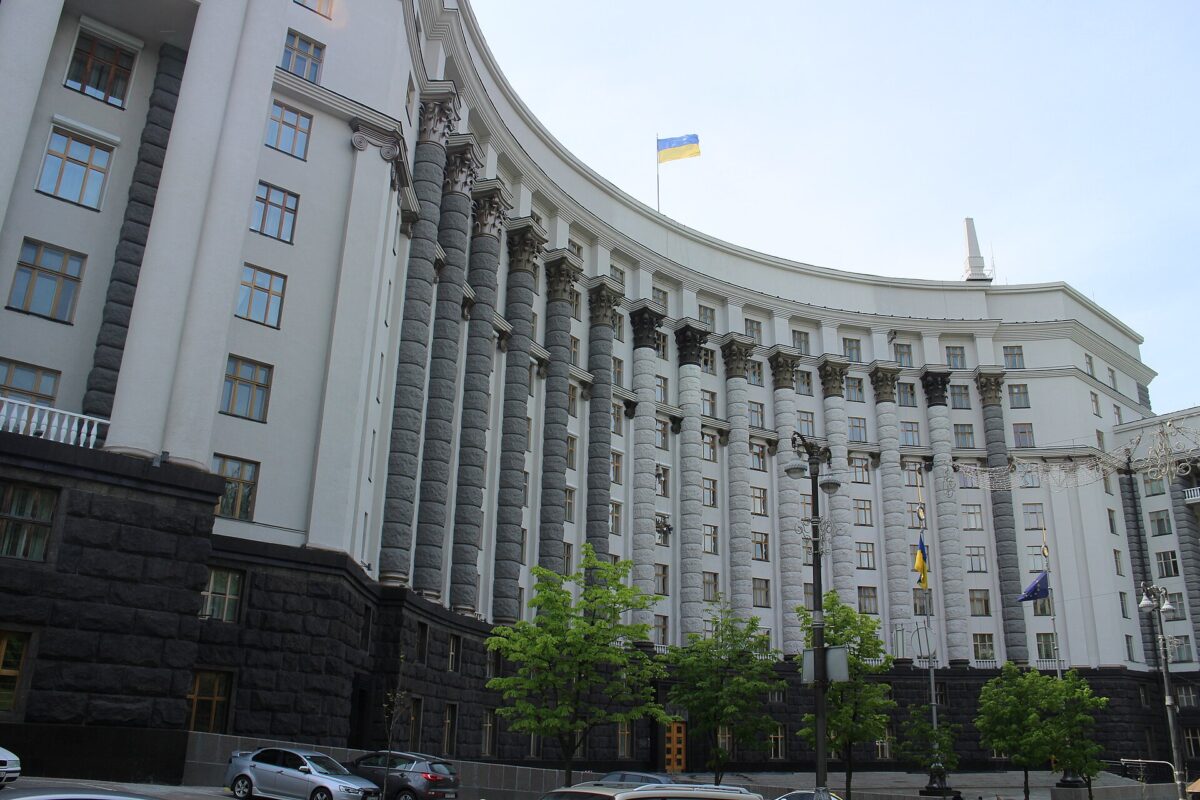
Illustrative photo: Suicasmo / CC BY-SA 4.0
Read also: