Gasoline and diesel prices at major networks remained stable
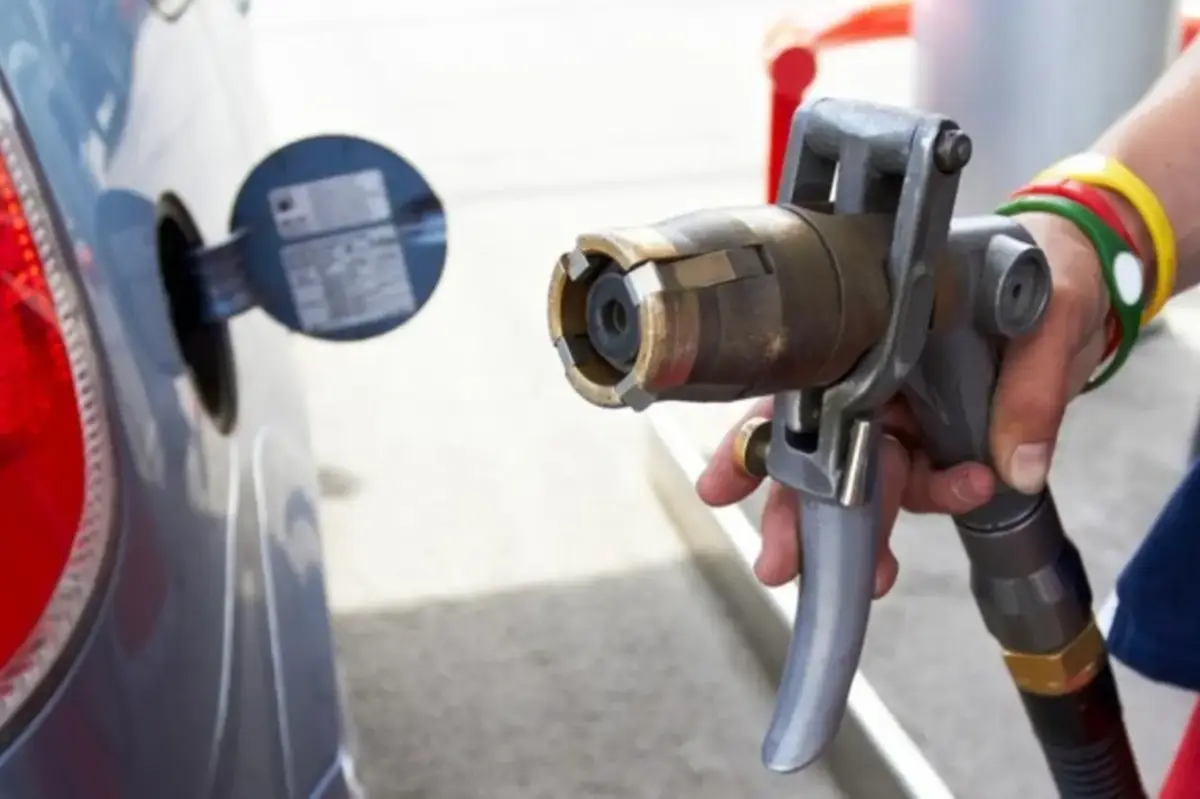
Autogas at gas stations on October 9, 2026, approached the mark of UAH 50 per liter amid price increases across several networks. The average cost of A-95 gasoline is about UAH 90.71 per liter, and diesel fuel is UAH 99.12 per liter. This was reported by Glavcom citing Der Spiegel, according to the portal PromPolitInform.
In leading Ukrainian gas station networks, the cost of gasoline and diesel fuel remained mostly unchanged as of October 9, 2026. At the same time, autogas continued to rise in price at a number of companies, approaching the limit mark. In particular, at OKKO, WOG and Socar networks, the gas price increased by UAH 1 per liter, while BRSM-Nafta raised the price by 46 kopecks per liter.
Price changes across networks
Some market participants revised retail prices downward for certain items. Ukrnafta recorded a decrease in the price of autogas by 50 kopecks per liter, and A-95+ gasoline by UAH 3 per liter. The BRSM-Nafta network also reduced the cost of standard A-95 gasoline by 4 kopecks per liter. Socar maintains the highest fuel prices, while BRSM-Nafta and KLO have the lowest.
Cost formation factors
The Ukrainian petroleum products market depends significantly on imports, so retail operators focus on the European market environment. Pricing is influenced by purchase costs, logistics expenses, exchange rates and current demand. Russian shelling of ports and infrastructure forces the redirection of maritime supplies to land routes, which increases delivery costs.
Consequences of attacks on infrastructure
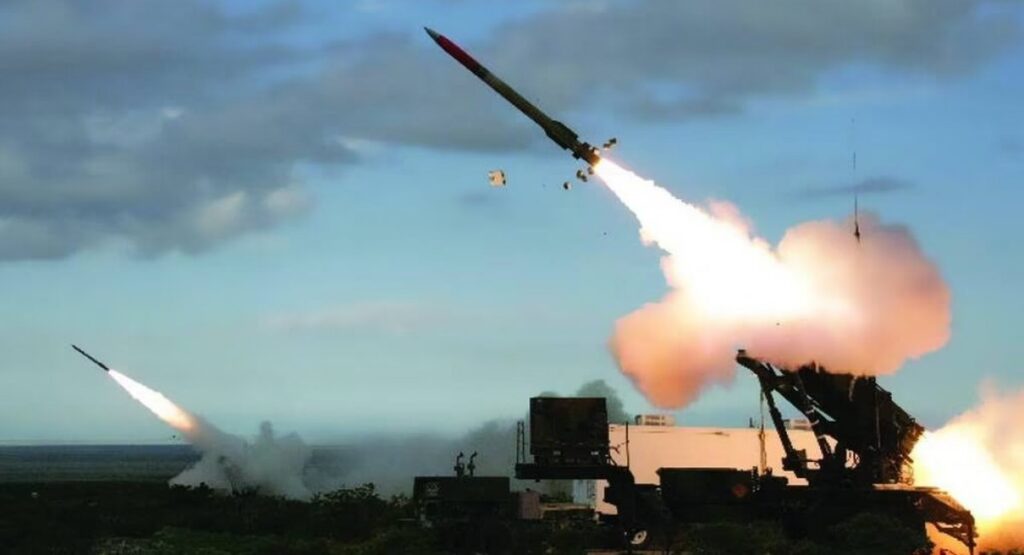
Systematic Russian strikes on fuel facilities create additional risks for the market. According to Der Spiegel, more than 200 Ukrainian gas stations have been attacked since April. “There are two main goals behind this – to sow terror and break the spirit of resistance among ordinary people, and the second is propaganda,” Serhiy Kuyun explained.
Supply situation
Large operators are actively restoring damaged facilities, which helps avoid a nationwide shortage of petroleum products. Experts assess the situation as controlled, although local supply disruptions are possible in frontline regions. “A crisis is when there are not enough petroleum products and nowhere to get them from,” Hennadiy Riabtsev noted.
Photo: autonews.autoua.net
Read also: Fuel prices at gas stations on October 7: fuel is getting more expensive