Russian media attributed fabricated claims about European involvement in infrastructure attacks to a BNR reporter
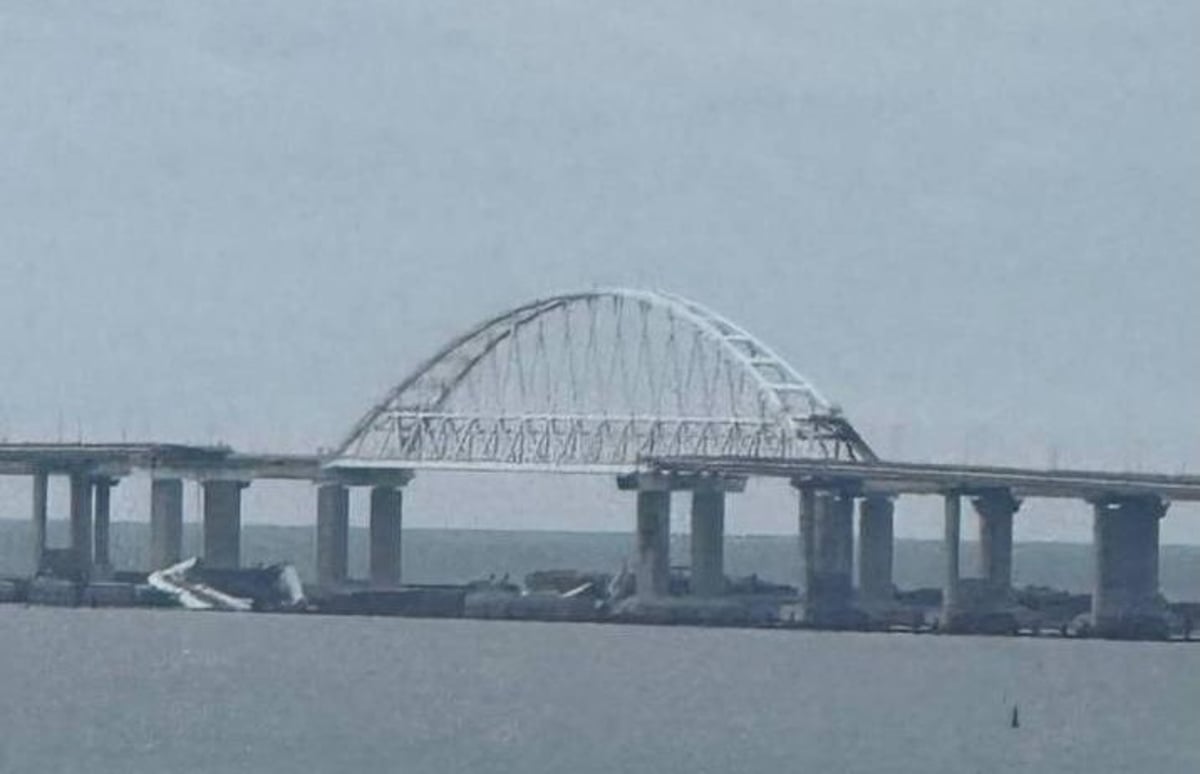
Dutch journalist Gert-Jan Gane stated that the state-owned TV channel Rossiya-24 grossly distorted his words in a report about the attack on the Crimean Bridge. Propagandists dubbed a twisted translation over BNR radio footage to advance their own narratives. This was reported by Ukrinform, according to the portal PromPolitInform.
In the Russian broadcast, the correspondent was attributed claims regarding the involvement of European experts in operation planning, the use of long-range ATACMS and Storm Shadow missiles, and supposed doubts about the Ukrainian origin of the “Flamingo” developments. The reporter himself described the situation as surreal, as Russian media effectively fabricated an entirely new story based on his original report.
Manipulating the information space
Gert-Jan Gane emphasized that he does not view this incident as a personal attack, but rather as an attempt to leverage his appearance and status as a European journalist to legitimize disinformation. He stressed that these actions are aimed at systematically misleading the Russian audience by creating fake content that has no basis in fact.
The journalist decided to publicly expose the mechanisms of Russian propaganda to demonstrate to the Dutch public how Russian state channels operate. He also prepared a separate video explanation, in which he detailed exactly where translators deliberately altered the meaning of his statements.
A tool of Kremlin propaganda
According to Gane, the Kremlin is attempting to use the authority of foreign media to bolster the narrative of a direct military conflict between Europe and Russia. The reach of channels like Rossiya-24 is approximately 140 million people, making the dissemination of such distortions a dangerous tool for influencing public opinion within Russia.
The reporter concluded that such practices by Russian media are a typical example of violating journalistic standards. He insists that professional conduct must be based exclusively on verified data, whereas the work of Russian propagandists only discredits the profession itself.
Photo: ASTRA
Read also: Private transport services with high tariffs established in the Kerch Strait