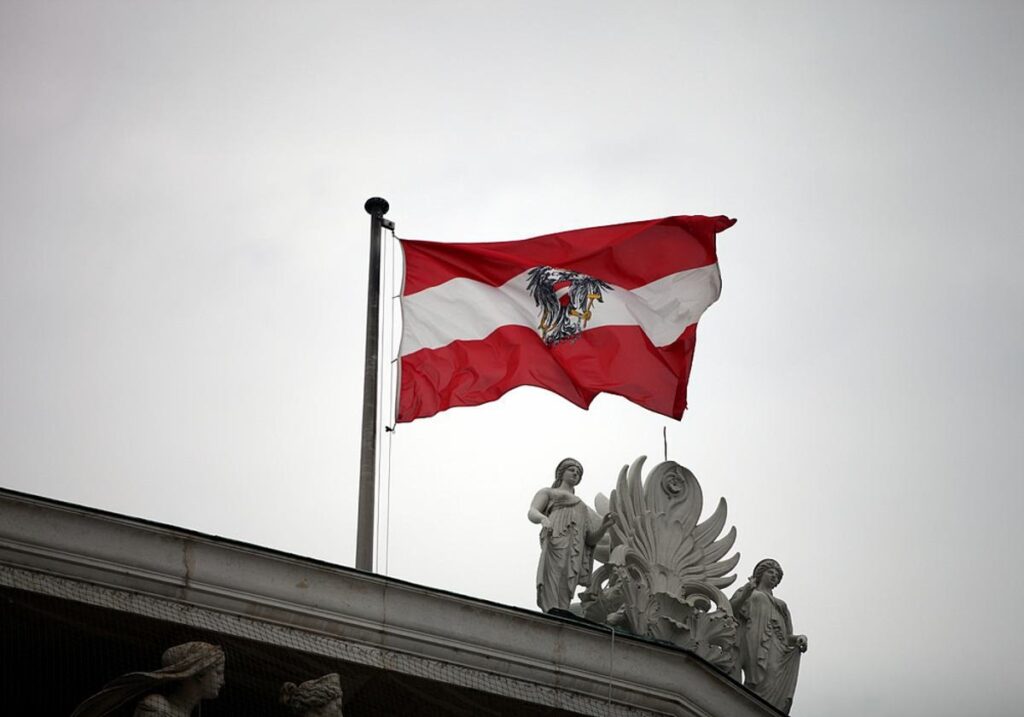
The government proposes allowing arms sales to 36 Western states
On Sunday, Swiss citizens will take part in a referendum on easing rules for arms exports. This vote will determine the future of the country's defence sector and the boundaries of its traditional neutrality. This was reported by Ukrinform citing Reuters, according to the portal PromPolitInform.
Bern’s current position is based on the 1907 Hague Conventions, which prohibit participation in armed conflicts and the provision of military assistance to warring parties. Following the start of the full-scale invasion of Russia into Ukraine, Swiss authorities blocked the re-export of their own products by European countries, which caused a significant decline in demand for Swiss weapons throughout 2023–2024.
Impact on the defence industry
Due to the loss of international contracts, concerns arose regarding the sector’s long-term viability. The state parliament has already voted for legislative changes, but opposition forces have utilized mechanisms of direct democracy to bring the issue to a popular vote.
The government initiative provides for the possibility of exporting military goods to 36 Western countries, even if they are in a state of war. There are also plans to abolish the requirement to obtain permission from Bern for the subsequent re-export of sold equipment.
Restrictions for Kyiv
It should be noted that the proposed changes will not affect Ukraine: direct or indirect supplies of Swiss weapons to our state will remain prohibited. Proponents of the reform emphasize that it is necessary to maintain the country’s defence potential.
At the same time, opponents argue that such actions negate Switzerland’s neutral status and create risks of its weapons being used in the internal conflicts of other states. The French Minister of Defence previously warned that strict restrictions are hindering joint industrial projects.
According to the Tamedia poll, the electorate is almost evenly divided in its preferences: 49% of respondents support easing the rules, while 48% are opposed. A previous referendum in September showed that citizens did not support the idea of enshrining strict neutrality in the Constitution.
Photo: Stephen Leonardi / Рexels