Long-range operations span five seas and reach over 2,400 kilometres
Over the past 50 days, Ukraine's Defence Forces have struck 40 facilities in Russia's oil and military-industrial sectors. The intensity of long-range attacks has reached a record level, with Ukrainian forces launching over a thousand drones on certain days. This was reported by RBC-Ukraine (Юлія Маловічко) citing NYT, according to the portal PromPolitInform.
Ukraine’s strike campaign continues despite calls from US President Donald Trump to halt attacks on Russian oil refineries. Kyiv aims to reduce Moscow’s revenues and complicate the logistics of fuel and weapons for the Russian army.
The geography of the operations covers at least five seas and stretches over 2,400 kilometres. Targets hit include a fuel terminal on the White Sea and a rocket fuel production plant in Siberia.
Strikes on Russian vessels abroad
Ukrainian forces are also attacking Russian ships and vessels outside Russian territory. In particular, the military cargo ship Sparta II caught fire after a strike in the Gulf of Finland.
Near the Libyan port of Benghazi, the Russian warship Mercury sank with a combat helicopter on board. Another cargo vessel was also hit, which, according to President Volodymyr Zelenskyy, was transporting weapons.
Decline in Russian refinery output
The attacks cover all stages of the Russian oil industry, from crude transportation to refining and maritime exports. According to the International Energy Agency, output at Russian refineries is approximately 30% lower than in the same period last year.
Gasoline production fell by 20%, and diesel fuel output dropped by nearly 30%. Due to shortages in the domestic market, Moscow introduced restrictions on fuel exports.
Long-range strikes force Russia to spend additional resources on protecting infrastructure, redeploying air defence systems from the front lines and using its navy to guard vessels. Kyrylo Budanov acknowledged that long-range attacks alone cannot secure victory in the war, yet each strike forces the enemy to repair facilities, lose capacity, alter logistics, and incur extra costs.
Expansion of Ukrainian defence production
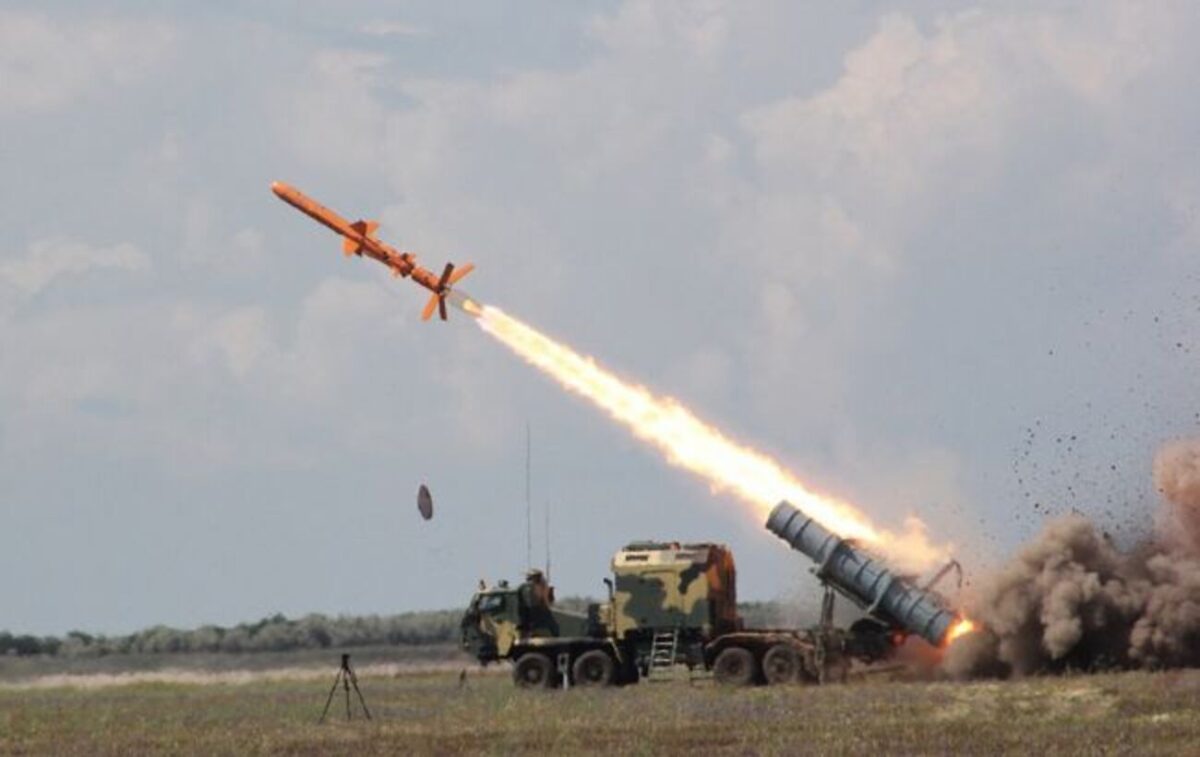
Scaling up the geography of strikes is made possible by the development of Ukraine’s own defence-industrial complex. While manufacturers initially retrofitted commercial drones, they are now creating jet-powered strike systems, heavy cruise missiles, and accelerating the development of domestic ballistic missiles.
Ukrainian engineers are also actively integrating artificial intelligence into military technologies. Volodymyr Zelenskyy noted that such developments are already used by hundreds of Ukrainian defence tech companies.
In addition, Kyiv agreed with Germany on the joint production of reconnaissance drones, and with the United Kingdom on manufacturing over a thousand long-range strike drones. These projects will help Ukraine maintain its long-range strike capability regardless of political changes in the United States.
Photo: RBC-Ukraine
Read also: Zelenskyy bans media from reporting on the status of energy infrastructure facilities