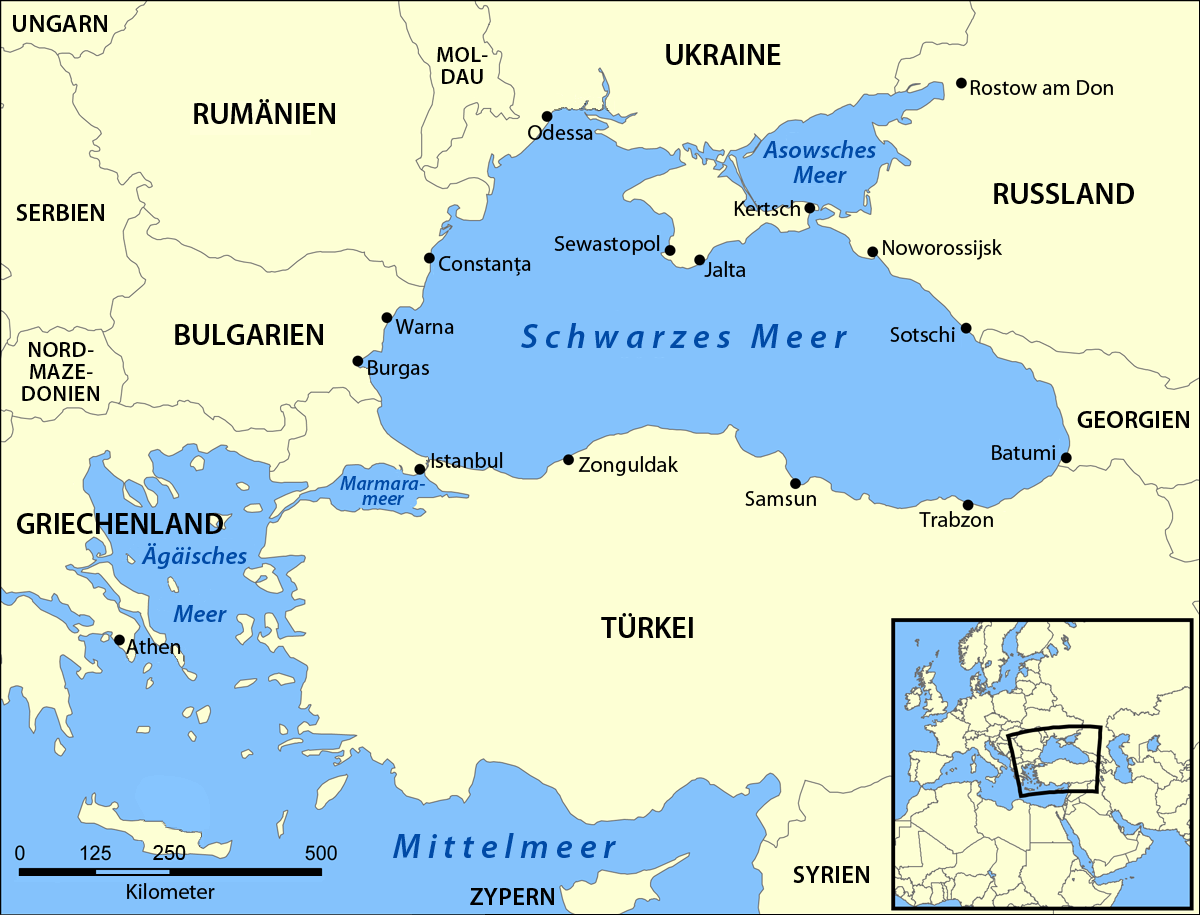
Attempts to ensure basic shipping safety in the Black Sea have once again collided with fundamentally different interpretations of the situation by the parties to the conflict. Ukraine publicly supported the Turkish proposal to introduce a mutual moratorium on strikes against civilian vessels, ports, and energy infrastructure in the region. As Ukrainian diplomat Nariman Dzhelyalov emphasized during an event in Ankara dedicated to Independence Day, the region should function as a space for trade and partnership, not as a springboard for military operations.
However, the implementation of such humanitarian and logistical agreements faces resistance from the Kremlin. As President of Ukraine Volodymyr Zelenskyy stated, the Russian side rejected the initiative for a mirror cessation of shelling on civilian ships transporting agricultural products. Instead of parity-based security agreements for shipping, Moscow puts forward political counter-demands, agreeing to refrain from attacks at sea only in exchange for Kyiv’s full commitment to stop strikes against Russian energy facilities.
The Ukrainian position, as voiced by Volodymyr Zelenskyy, is based on maintaining symmetry: the moratorium should act either sectorally — purely in the agricultural or energy sphere — or transform into a comprehensive ceasefire. Attempts to involve neutral foreign vessels in parallel food logistics from Ukraine and the Russian Federation have not yet found support in Moscow, effectively blocking the efforts of Turkish mediators.
The price of this diplomatic deadlock remains high for the port sector and international trade. According to the Ukrainian Embassy in Turkey, since the beginning of the full-scale invasion, Russian troops have destroyed or damaged at least 1,054 Ukrainian port infrastructure facilities and struck 232 civilian ships, with more than 30 affected in the summer of 2026 alone. These attacks have claimed the lives of 307 people, both Ukrainian citizens and foreigners, underscoring the critical need for legal mechanisms to protect the commercial fleet.
Illustrative photo: U.S. Navy photo by Mass Communication Specialist Seaman Apprentice Oliver Cole / Public domain
Read also: