The Cabinet of Ministers is developing a 1 billion dollar war risk insurance program
Prime Minister of Ukraine Serhiy Koretskyi announced a deficit of about 70 billion hryvnias during his speech at the annual YES Annual Meeting 2026, organized by the Victor Pinchuk Foundation. The official emphasized that this estimate is based on data from two weeks ago, and therefore, given the daily attacks, the real volume of lost taxes continues to grow. The official also reported these calculations on his official Telegram channel.
Destruction of industrial giants and logistics
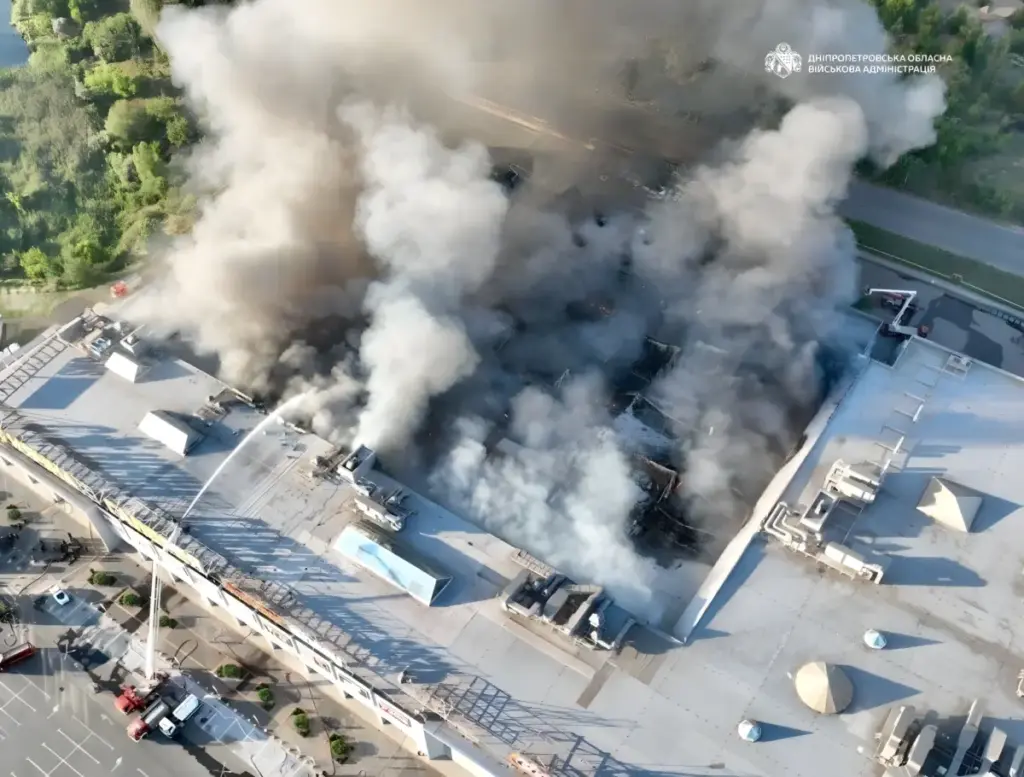
Not only energy facilities are being targeted, but also logistics complexes, warehouses, retail spaces, and gas stations. Among the recently affected facilities is the Pryluky tobacco factory, which was forced to stop operations, depriving the market of several international and national brands of cigarettes and tobacco heating sticks.
The blow to the investment climate was no less significant, as enterprises with foreign capital are also being shelled. In the Kyiv region, a Coca-Cola plant, one of the largest non-alcoholic beverage production sites in the European region, was damaged. In Dnipro, production of Oleyna sunflower oil, owned by an American investor, was halted following a strike.
Government tools: premises and insurance
Given the scale of the destruction, the state apparatus is looking for compensation and relocation mechanisms for businesses. According to Serhiy Koretskyi, the Cabinet of Ministers has already conducted a full inventory of real estate belonging to the State Property Fund, ministries, and state-owned companies in order to provide available production and warehouse space to affected entrepreneurs. At the same time, a plan for the decentralization of logistics routes is being prepared together with retail chains and operators.
The most anticipated step for business should be a financial cushion. In the draft state budget, officials plan to allocate about 1 billion dollars for war risk insurance. According to the government’s plan, this reserve should cover between 40% and 50% of direct losses incurred by companies from attacks, and the involvement of international partners will allow for an increase in this amount.
Agricultural sector threatened by a billion-dollar deficit
While the industry waits for the launch of insurance mechanisms, a critical situation is unfolding in the agricultural sector, where the blocking and shelling of maritime logistics remain the main factors. The chairman of the Ukrainian Agrarian Council, Andriy Dykun, announced that the funding deficit in Ukraine’s agricultural sector could reach 7–8 billion dollars by the end of 2026 during a discussion with a World Bank delegation, which included Antonella Bassani.
According to Andriy Dykun, land routes and ports of neighboring countries are unable to compensate for the loss of maritime routes. This leads to the accumulation of large carry-over crop stocks, which farmers cannot sell to repay loans and pay taxes. The situation is assessed as more difficult than in 2022.
Survival measures for small farms
To preserve small and medium-sized agribusinesses, the Ukrainian Agrarian Council is calling for an expansion of state support programs. In particular, an additional 250 million dollars in external funding is needed for the full operation of the “5-7-9%” concessional lending program.
Options for partial compensation for the cost of equipment for temporary grain storage, including special bags, are also being processed, as well as the development of long-term initiatives such as the AgriConnect project planned for 2027. However, without the restoration of full-fledged exports and the implementation of effective war risk insurance for both industry and farmers, the state’s tax losses will only continue to grow.
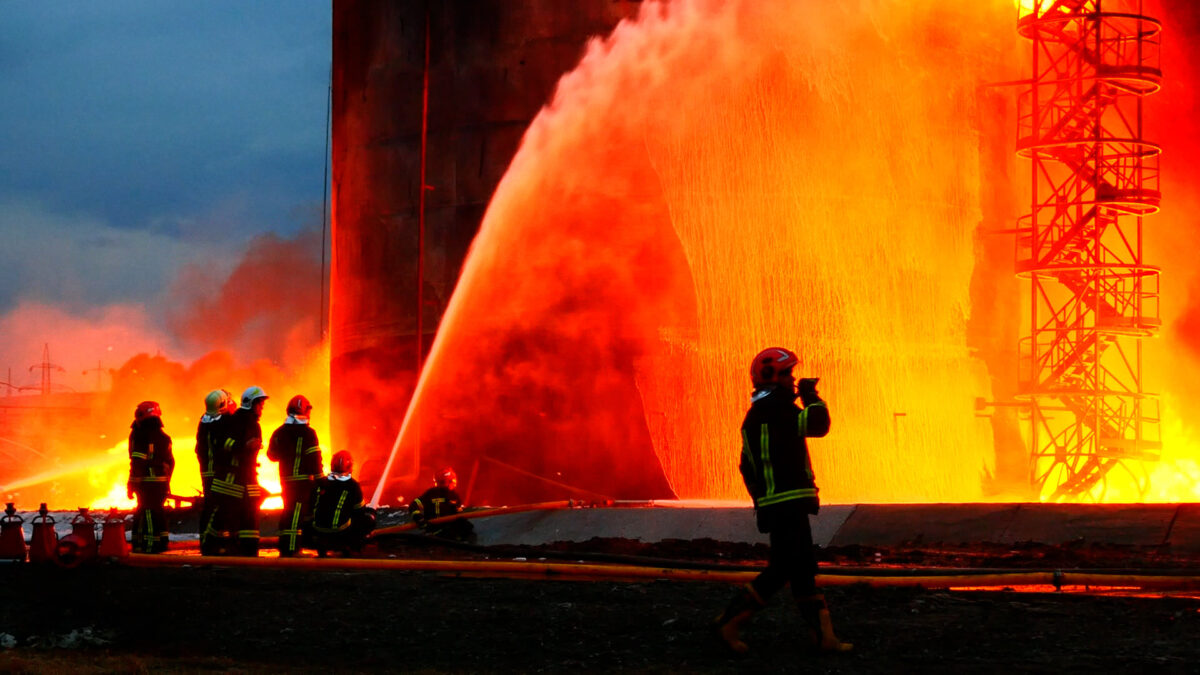
Illustrative photo: State Emergency Service of Ukraine / CC BY 4.0