The enemy campaign is aimed at forcing capitulation through terror against the population
Russian troops began a series of attacks on Ukraine's energy facilities in late September 2026, ahead of the traditional winter shelling schedule. Analysts at the Institute for the Study of War point to a change in the Kremlin's strategic priorities due to the lack of success on the battlefield. This was reported by Socportal citing ISW, according to the portal PromPolitInform.
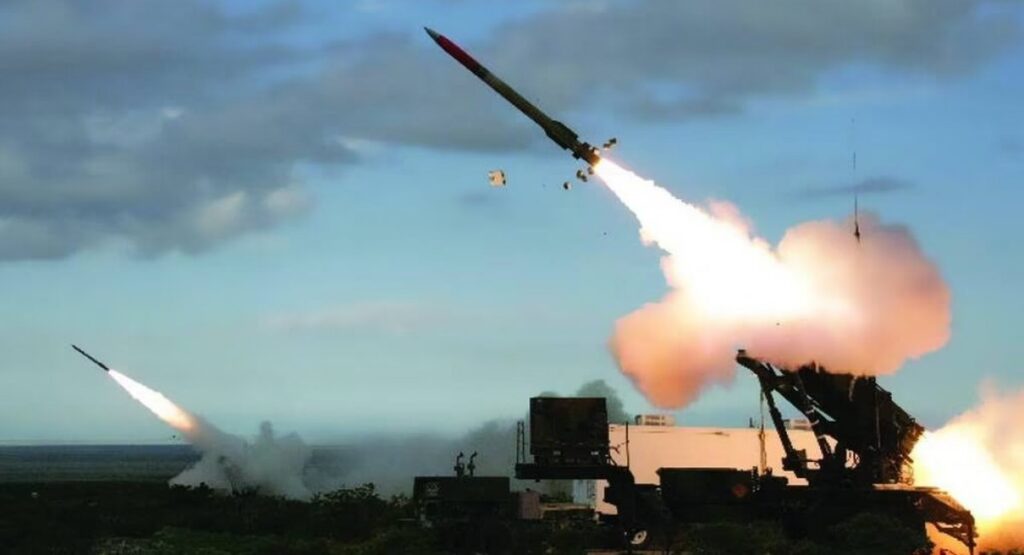
Experts suggest that the schedule change is driven by an attempt to inflict critical damage before the Ukrainian air defense system gains new capabilities to counter ballistic missiles and jet drones. Similar attacks have been recorded every winter since 2022, but the aggressor now seeks to maximize damage in advance.
Change in Kremlin strategy
Current actions by the Russian military command indicate an attempt to revise war-fighting scenarios. Due to limited progress on the front line throughout 2026, the Russian leadership has decided to focus on a campaign of long-range strikes against critical infrastructure.
Forced capitulation
The main goal of these actions is to create unbearable living conditions for the civilian population. It is expected that due to psychological pressure and domestic difficulties, Ukraine will agree to Russia’s demands, abandoning further resistance.
The Russian Ministry of Defence is trying to justify these strikes as a response to supposedly accumulated grievances, yet analysts call such claims baseless. In fact, energy terror has become the main instrument of pressure on the state amidst the military stagnation of the occupying forces.
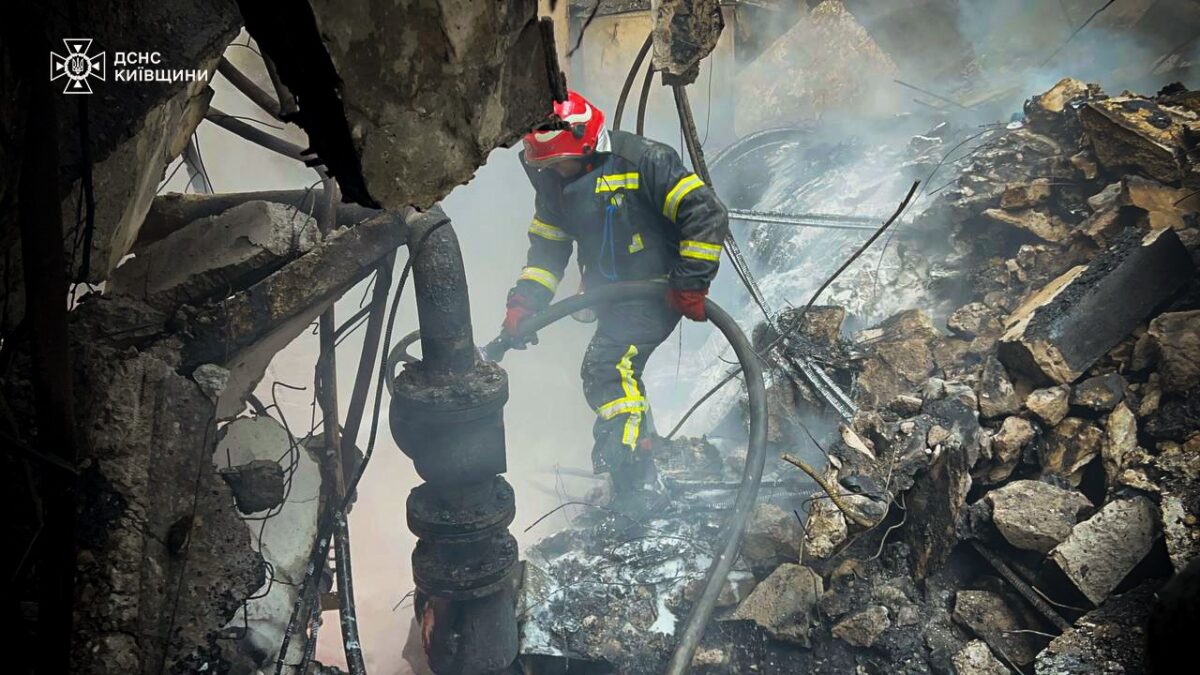
Illustrative photo: State Emergency Service of Ukraine / CC BY 4.0