Steel plants and mines are under threat of closure due to the consequences of Russian aggression
As of September 2026, steel production in Ukraine has fallen by more than 80% compared to pre-war figures. Heavy industry, which previously accounted for more than 10% of the country's GDP, is in a state of deep crisis due to constant shelling and logistical problems. This was reported by Glavcom citing Dagens Nyheter, according to the portal PromPolitInform.
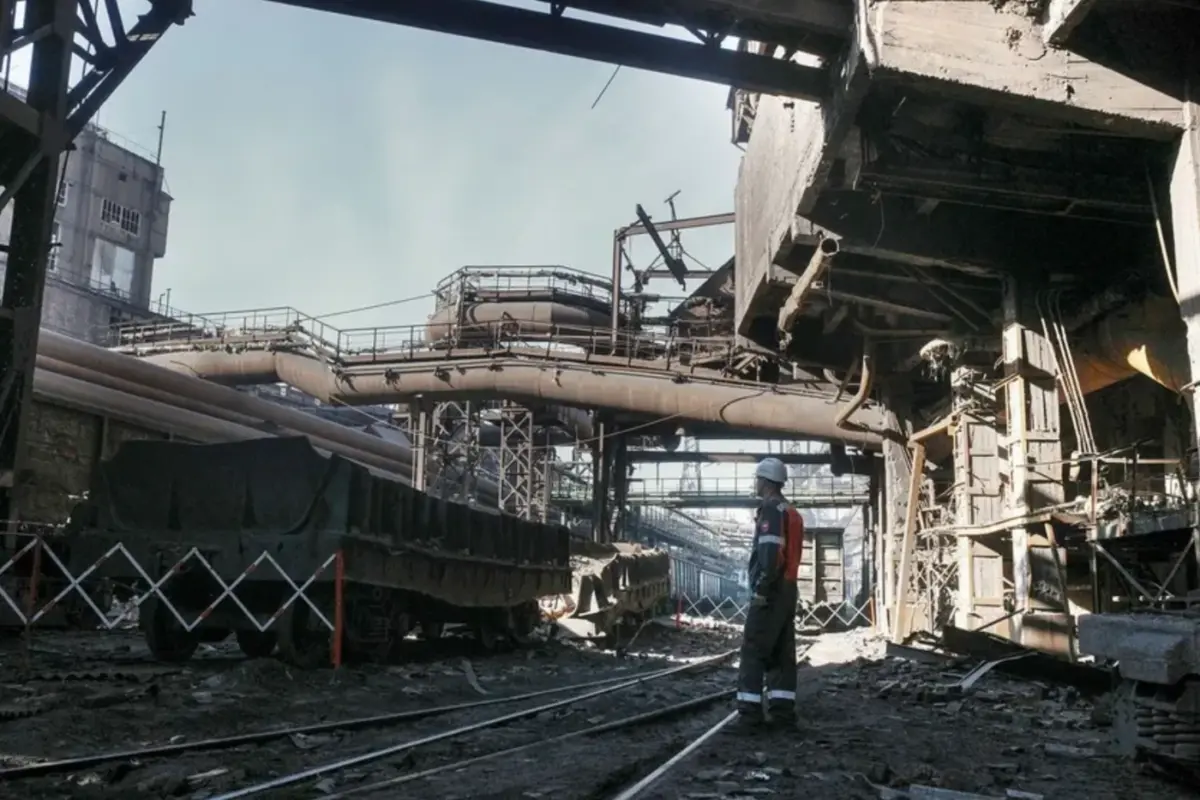
The situation in the heavy industry sector has intensified due to systemic attacks on energy and transport infrastructure, as well as direct strikes on production facilities. Journalists who visited Kamianske and Kryvyi Rih state that large enterprises have halted operations and investment projects in the regions have been frozen.
In Kamianske, metallurgical facilities have been idle since the beginning of autumn 2026. Damage to critical components of the plant requires significant financial investment, and the plant’s management emphasizes the risk of the final loss of qualified personnel, which would make any future restart of production impossible.
The overall share of heavy industry in Ukraine’s GDP structure has halved compared to the period before 2022. In addition to the direct impact on the economy, the shutdown of plants such as Kametstal creates social tension in cities where these enterprises are the main budget-forming entities.
Crisis in the mining sector
The situation in Kryvyi Rih is complicated by an energy deficit that limits mine capacity utilization to 20–50%. The stability of the industry is also affected by a shortage of railway rolling stock, which critically reduces the efficiency of transporting products to Black Sea ports.
Metallurgists note that current logistical obstacles force them to cut extraction and processing volumes precisely when companies need to increase exports to maintain liquidity. Compared to the pre-war 21 million tons of steel per year, the current figures reflect the industry’s difficult struggle for survival.
Representatives of industrial companies have already appealed to the government with an initiative to implement a special support program. In particular, this concerns easing trade barriers for exports to the European Union and comprehensive safety measures similar to those applied in the energy sector.
Photo: dn.se
Read also: Early Retirement: Conditions for Benefits Under Lists No. 1 and No. 2