Belgium to deliver 10 F-16 jets this year as Denmark commits €645m in new aid
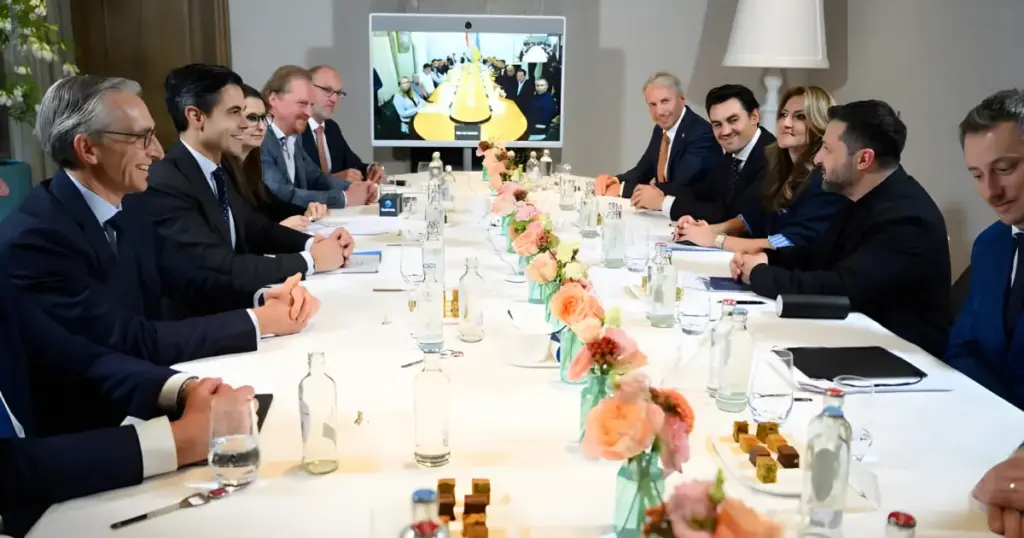
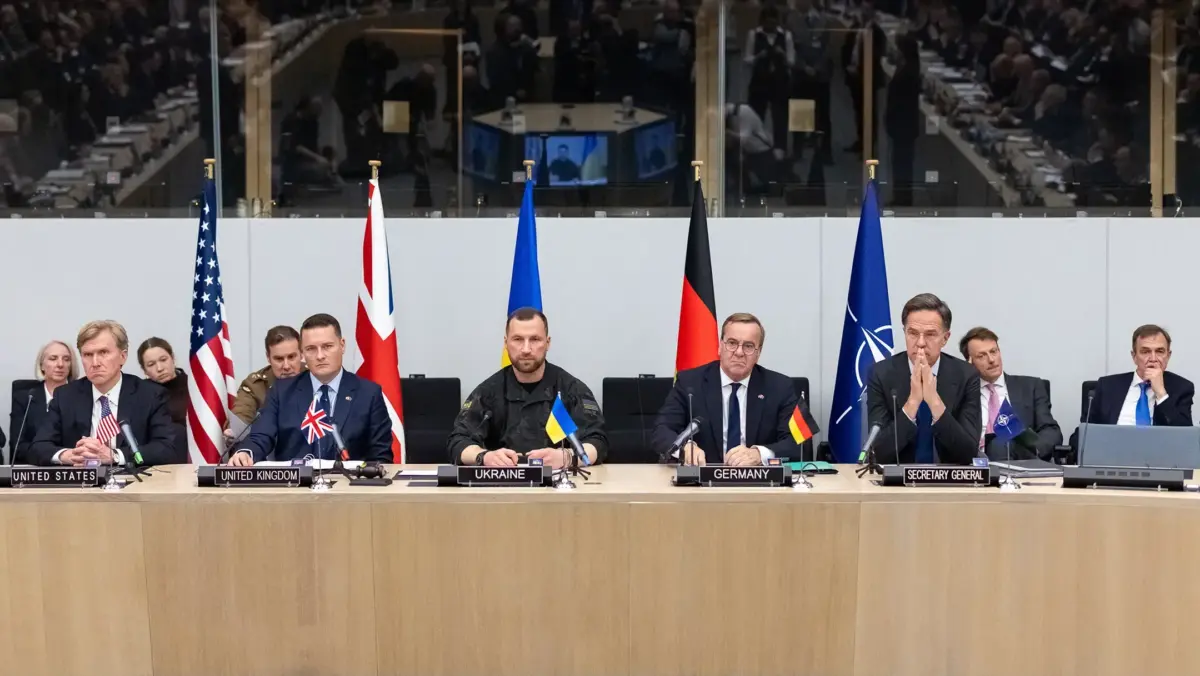
The 37th meeting of the Ukraine Defence Contact Group in the Ramstein format was held in Brussels. Partner states unveiled new military assistance packages, focusing on reinforcing air defence systems, procuring unmanned aircraft, and supplying munitions. This is reported by the portal PromPolitInform, citing information from the Ministry of Defence of Ukraine.
Ukrainian officials identified airspace protection against persistent Russian attacks as the topmost priority for the winter season. Ukrainian Minister of Defence Yevhenii Khmara stated that the declared contributions will have an immediate impact on the operational resilience of national defence forces.
Securing steady deliveries of unmanned aerial vehicles also remains of vital importance. By 2027, Ukraine aims to double its intake of drones intended for front-line operations.
Major Commitments from Denmark, the UK, and Norway
Denmark confirmed €200 million for critical air defence capabilities and allocated a fresh defence support package worth €645 million. These funds will finance strike drones, including Ukrainian-made models, ammunition for F-16 combat aircraft, domestic interceptor drones, and contributions to the PURL initiative. Denmark is also reinvesting reimbursements received from the European Peace Facility into Ukrainian defence aid.
The United Kingdom is directing £240 million towards air defence needs. This package includes interceptor equipment, LMM missiles, and radar platforms.
Norway committed an overall support package valued at roughly $800 million. It allocates $150 million to air defence assets including MANPADS, $300 million to the PURL initiative, $300 million to procure Ukrainian-manufactured drones, and up to €11 million to counter jet-powered Shahed attack drones.
Aid Contributions from Germany, the Netherlands, and Belgium
Germany is executing a previously pledged €1 billion package centred on air defence, delivering IRIS-T systems, radar units, interceptor drones, integration of IRIS-T missiles into NASAMS platforms, and 20mm ammunition for F-16s. Berlin will also channel European Peace Facility reimbursements, provide long-range artillery shells, electronic warfare systems, naval surface drones, 70mm missiles, joint-production middle-strike and deep-strike UAVs, and $300 million for PURL.
The Netherlands outlined a €500 million winter assistance package, including fresh contributions to PURL and funding for the Drone Line initiative.
Belgium intends to transfer 10 F-16 fighter jets to Ukraine by the end of this year. Its bilateral assistance totals €1.1 billion in 2026, including €100 million for PURL, alongside plans to allocate €1 billion in 2027 along with various calibres of ammunition and air defence missiles.
Support from France, Canada, and Regional Partners
France will deliver a GF300 Thales anti-ballistic radar and two Mirage 2000-5F jets by the end of 2026, supplemented by AASM Hammer 250 guided bombs funded by Norway and Germany, and 30mm aircraft ammunition covered by an EU loan.
Canada is contributing up to C$45 million to purchase AIM-7, R-73, and R-27 missiles via the Czech initiative, bringing its total Czech-mechanism support to C$120 million for 2026. Canada will also provide FrankenSAM optical hardware, 20mm aviation rounds, winter field equipment, and rations.
Spain approved an arms shipment exceeding €400 million, which includes artillery munitions, drones, and IRIS-T missiles. Finland confirmed €291 million across two tranches covering air defence and is preparing an additional package alongside a €40 million PURL contribution.
Sweden committed $71 million, allocating portions to PURL and Czech-led munitions purchases. Luxembourg pledged €25 million to PURL, Portugal provided €50 million to PURL alongside funding for NATO CAP and NSATU trust funds, while Lithuania and Estonia committed defence aid exceeding 0.25% of their respective GDP for 2027 to back joint industrial arms ventures.
Photo: Ministry of Defence of Ukraine
Read also: Pistorius Defends Ukraine’s Strikes on Russian Military Targets