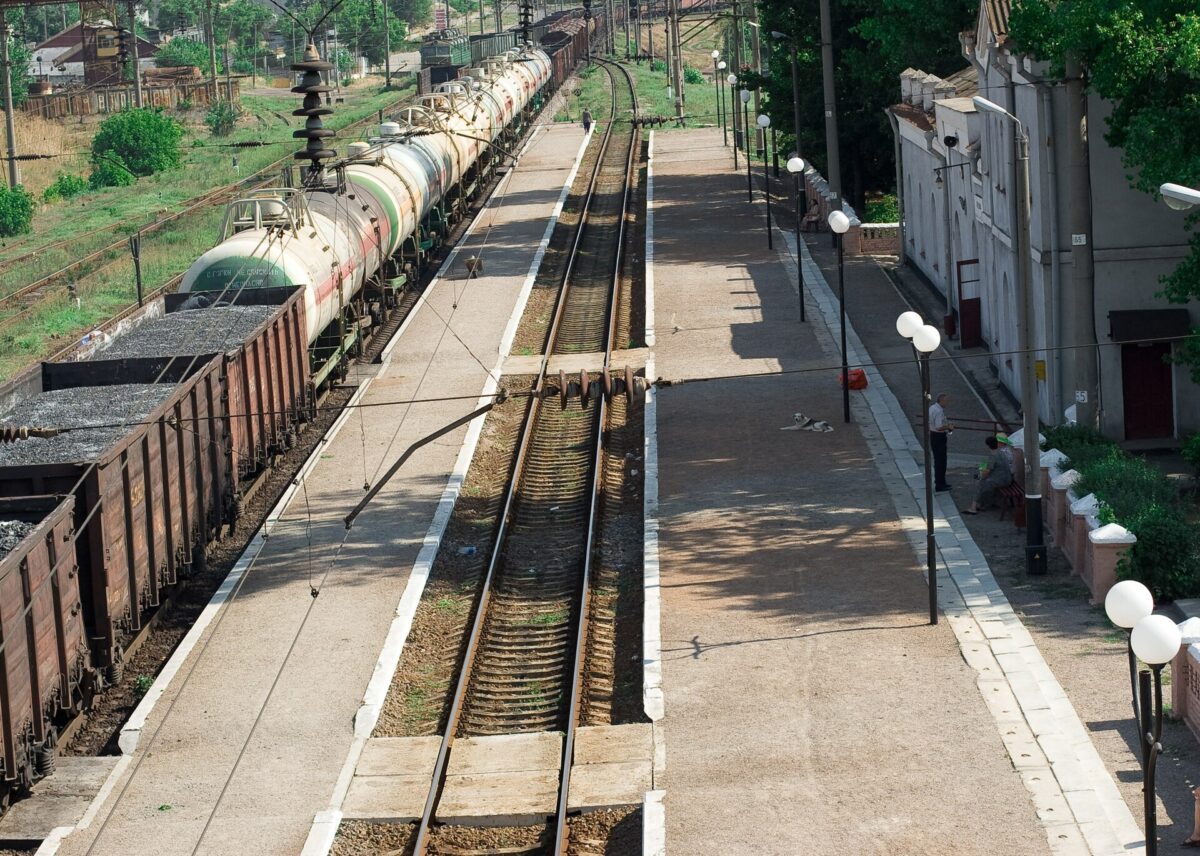
Priority is given to vegetable oil, petroleum products and mining and metals industry goods
JSC Ukrzaliznytsia urges businesses to maximize the use of scheduled block trains for cargo transportation. The company is introducing new planning and prioritization tools to optimize logistics processes. This was reported by Rail.insider, according to the portal PromPolitInform.
During a meeting held on November 18, representatives of JSC Ukrzaliznytsia discussed mechanisms for improving freight transport with market participants. As Valeriy Tkachov, Deputy Director of the Traffic Technology and Commercial Operations Department, noted, due to current infrastructure constraints, scheduled block trains are recognized as the most effective delivery method.
Using such trains allows for a significant reduction in the processing volumes of railcars at sorting hubs and accelerates their movement toward the western borders. To control the situation on the network, the railway operator plans to implement a system of monthly and daily cargo transfer planning, loading control, and prioritized movement of train sets.
Priority hierarchy
The system for distributing transport priority now has a clear structure. The highest priority level is reserved for vegetable oil and petroleum products, in accordance with Cabinet of Ministers Resolution No. 1300. The second category consists of products from the mining and metals industry destined for European Union plants to maintain the continuity of their production.
Scheduled block trains for other types of cargo are ranked lower. The last place in the priority sequence is occupied by single-wagon shipments, which railway workers are attempting to optimize by introducing so-called mixed routes formed from railcars at several stations, provided there is a single consignor.
Business proposals
Market participants expressed their own remarks regarding the proposed operational model. In particular, business representatives suggested upgrading the transport status of meal (oilcake) to the second priority due to the critical dependence of oil extraction plants on these deliveries. The issue of containerized oil transport, which currently lacks priority status, was also raised.
Cargo shippers also requested the allocation of specific border crossings for the needs of metallurgical enterprises. The Izov-Hrubieszow and Chop-Cierna nad Tisou junctions were mentioned as potential examples. In response to business requests, Ukrzaliznytsia promised to provide statistics on the throughput capacity of border crossings before and after the blockage of the Greater Odesa ports.
Finally, Valeriy Tkachov reminded partners that transport plans for December must be submitted no later than November 20. All proposals received from companies will be reviewed for potential inclusion in the company’s future operational activities.
Illustrative photo: Vitaliy Sorochan / CC BY-SA 3.0
Read also: Ukrzaliznytsia to suspend ticket sales due to technical works