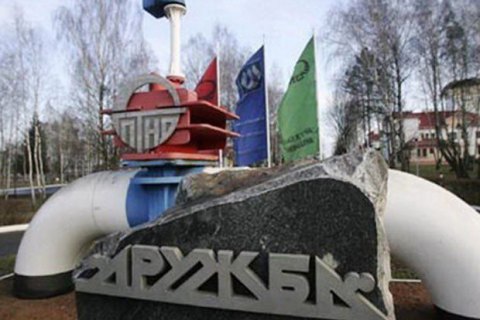
Ukraine showed representatives of 31 countries materials on Russian attacks on Druzhba and their consequences.
The Hungarian fact-finding mission on the damage to the Druzhba oil pipeline is returning to Budapest “with results.” This was stated by Hungarian Prime Minister Viktor Orbán on Facebook on Saturday, March 14, Korrespondent.net reports. The PromPolitInform portal reports.
The politician had a conversation with the State Secretary of the Hungarian Ministry of Energy, Gabor Cepek, who heads the mission. He posted part of the conversation on the social network.
Cepek said that “he had a bit of a difficult night” because Ukraine and its capital were also under serious attack. Regarding the work of the fact-finding commission on the damage to the Druzhba oil pipeline, he said that “there are results.”
“The fact is that the meeting that the Ukrainian company Naftogaz is holding for all representatives of the embassies is just beginning. Our person, Ambassador Antal Heiser, is also there,” said Cepek, adding that only ambassadors were allowed to attend the meeting.
“We started the machine, and the Ukrainians were unable to do this, unable to put forward their version. We forced the Ukrainians to move,” Orbán said.
Cepek noted that the mission could leave Kyiv “with facts,” although the group members were not allowed to the pipeline itself. “As a result of today’s expert consultation, we will know much more about the condition of the pipe,” he said.
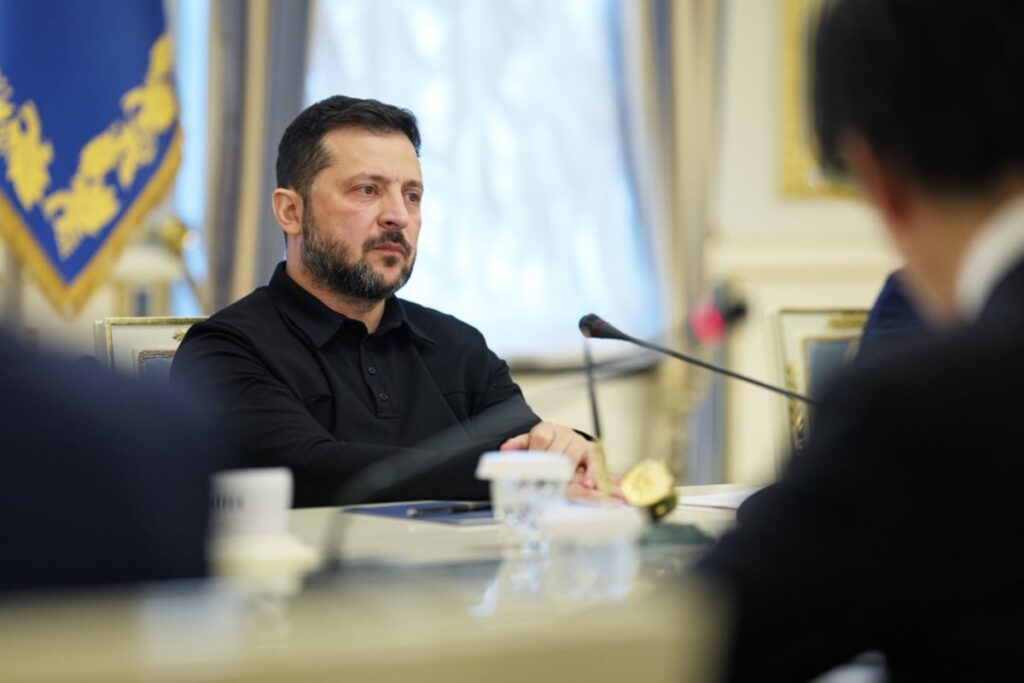
The Ministry of Foreign Affairs of Ukraine, together with Naftogaz, held a briefing today for representatives of foreign diplomatic missions, at which they presented comprehensive materials on Russian attacks on the infrastructure of the Druzhba oil pipeline, the press service of the Ministry of Foreign Affairs reported.
Representatives of 31 countries, including the G7 states and Ukraine’s European partners, took part in the event. Among the participants were ambassadors and representatives of diplomatic missions accredited in Ukraine.
The diplomats were presented with technical information on the state of the infrastructure after the Russian shelling of the Druzhba oil pipeline on January 27. “In order to provide the embassies with the most complete picture of the events, materials were shown directly from the site of the shelling. They clearly show the technical damage that occurred as a result of the attack, its consequences for the operation of the system, as well as the measures that are necessary to restore the damaged facilities,” the Foreign Ministry said.
It is noted that the restoration of such infrastructure is a complex technological process that requires time and specialized equipment.
Recall that on March 11, a Hungarian delegation arrived in Ukraine to find out the state of the Druzhba oil pipeline. The Ukrainian Foreign Ministry noted that the delegation has no official status or planned official meetings.