Developers of China's J-36 aircraft have encountered artificial intelligence hallucinations while designing military equipment. AI models generate false data regarding weapon specifications and radar station parameters. This was reported by South China Morning Post citing AVIC Chengdu Aircraft Research and Design Institute, according to the portal PromPolitInform.
Specialists at the AVIC Chengdu Aircraft Research and Design Institute, responsible for creating the J-20 and J-36 aircraft, have pointed out significant flaws in the performance of modern large language models. Despite their fast data analysis, the technologies are capable of creating content that defies the laws of physics and engineering design principles.
Risks of strategic errors
Engineer Zhang Xianzhe stated in a report published on June 20 that AI invents aircraft specifications, including speed, combat radius, payload, and weaponry types. Additionally, errors have been identified in determining frequency bands and radar target detection ranges.
The “hallucinations” of models, which produce plausible yet false outputs, could lead to severe consequences in the field of defence intelligence, the developer warned. In a sector where errors are intolerable, such distortions could cause strategic miscalculations.
Data processing challenges
The study was published in the journal Information Studies: Theory & Application, managed by the state-owned arms maker Norinco. Fighter jet design requires high precision in assessing enemy radar coverage and the operating frequencies of their equipment.
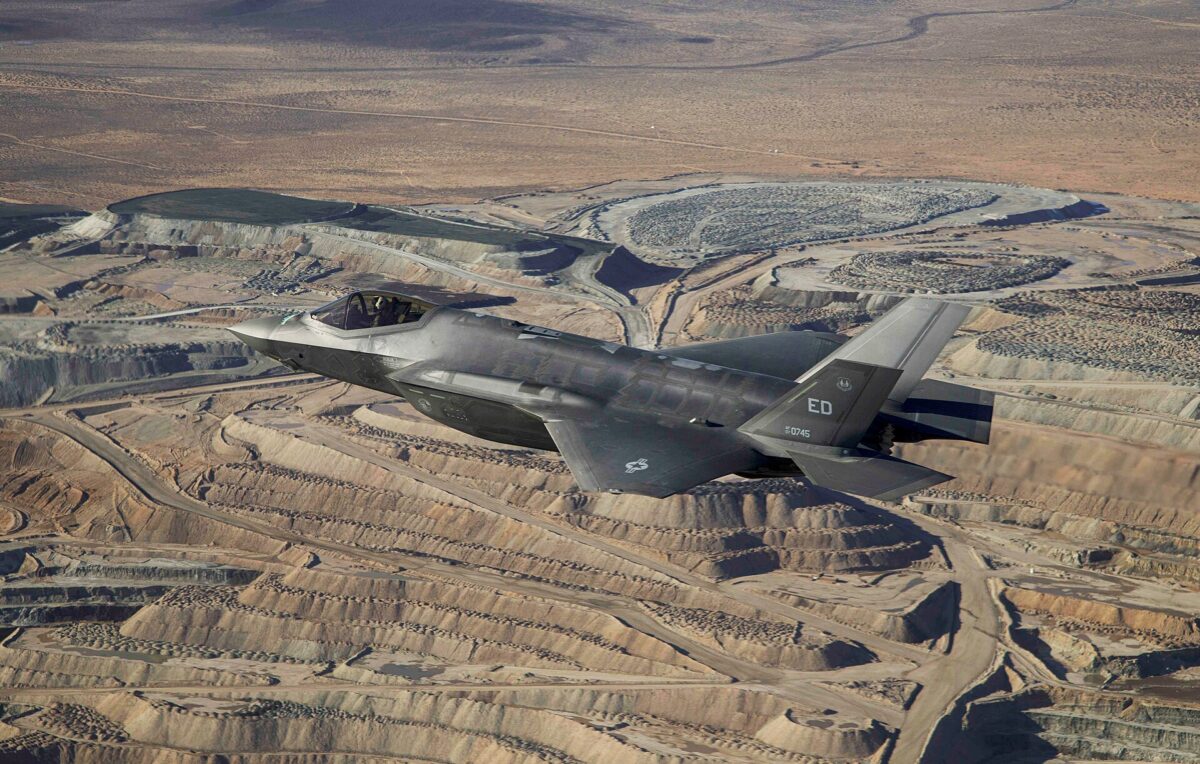
Illustrative photo: Airman 1st Class Zachary Foster / CC0