The contemporary Ukrainian economy is operating under a paradoxical contrast. On one hand, domestic taxpayers and businesses demonstrate high discipline, ensuring stable growth of state treasury revenues even under conditions of infrastructure destruction. On the other hand, within the defense sector, the efficiency of using these hard-earned funds raises serious questions for state auditors.
An analysis of financial flows shows that every hryvnia mobilized by the efforts of fiscal authorities faces the risk of inefficient redistribution. The State Customs Service of Ukraine reports record-breaking budget revenue figures, while secret government audits point to colossal losses in defense procurement, which effectively negate the efforts of the civilian sector of the economy.
Customs records despite logistics pressure
The report by the State Customs Service of Ukraine states that by the end of August 2026, the agency transferred 75.1 billion hryvnias to the state budget. This figure shows positive dynamics compared to the same period last year. Compared to August 2025, the volume of revenue increased by 13.3 billion hryvnias, representing a 21.4% growth.
Notably, this growth occurred against the backdrop of a significant decline in physical and value trade indicators. According to customs data, taxable import volumes decreased by 22%. In addition, the agency’s report recorded the granting of significant benefits to economic entities during customs clearance. The amount of these benefits reached 33.1 billion hryvnias, or 44.1% of the total funds raised during the month.
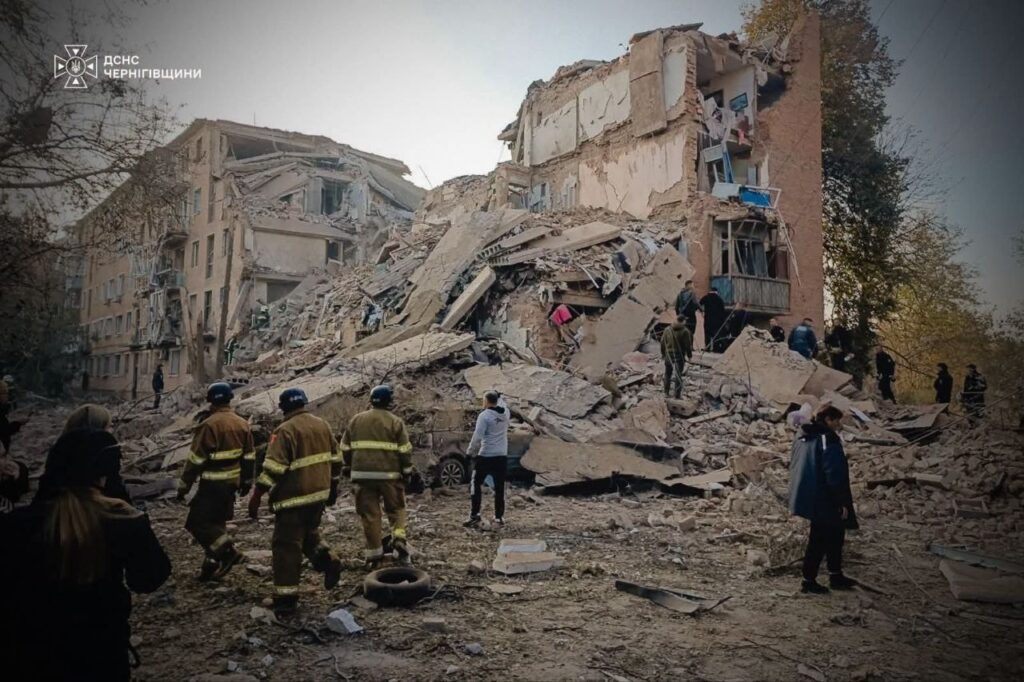
Such results from the customs service look particularly significant considering the destructive external factors. The report of the State Customs Service directly points to the devastating impact of russian strikes on port infrastructure, which led to the halting of maritime logistics, as well as the destruction of production facilities and finished products of domestic enterprises.
Billion-dollar losses in the defense sector
While the civilian economy fills the treasury, the defense budget suffers palpable losses at the distribution stage. According to the results of secret government audits for 2024 and 2025, reported by The New York Times, Ukraine lost about 1.2 billion dollars during 2024 due to inefficient management and fraud during arms procurement.
Analysts of government reports draw attention to the strange loyalty of the Defense Procurement Agency toward problematic suppliers. In particular, documents note that seven of the ten largest defense manufacturers received state orders while having open criminal proceedings against them. In total, government auditors identified 18 companies that concluded contracts without appropriate licenses or after instances of failing previous deliveries.
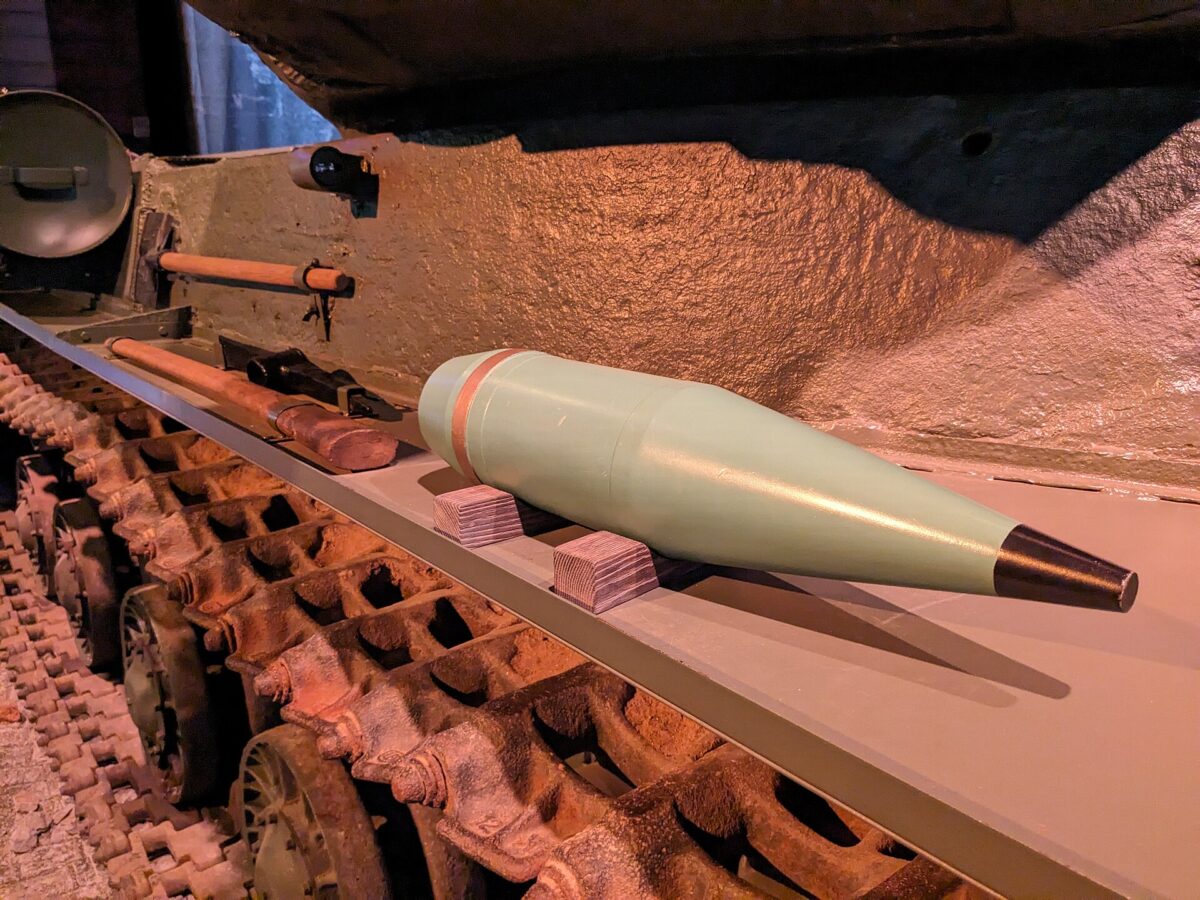
A striking example of such a practice was the cooperation with the Pavlohrad Chemical Plant. As audit materials show, the enterprise supplied defective shells to the Armed Forces. Despite the fact that the plant director, Leonid Shyman, was arrested on suspicion of corruption, the state concluded a new 280 million dollar contract with the same entity while the head was out on bail.
Intermediaries and lost profit
Beyond direct contracts with problematic executors, the state budget loses resources due to the inexplicable ignoring of more favorable market offers. Auditors uncovered schemes involving foreign intermediaries that significantly inflated the final cost of military products.
During the procurement of rocket artillery, state structures favored the Czech company Czechoslovak Group. At the same time, the report notes that the Turkish plant Arca Defense offered similar weaponry at a significantly lower price. As a result of this operation, the intermediary markup amounted to about 130 million dollars. Auditors could not find any documents justifying the financial expediency of such overpayment instead of concluding a direct agreement.
Another episode involved an attempt to purchase Soviet-era missiles through a Serbian intermediary. This contract with the state enterprise Spetstehnoeksport was subsequently canceled after the intervention of Minister of Defence Rustem Umerov, who demanded direct negotiations with the American supplier Regulus. Currently, state bodies are attempting to recover penalties from Spetstehnoeksport, but the systemic problem of lacking real accountability for contract disruptions and price inflation continues to pressure the defense budget, which Ukrainian customs officers are working so hard to fill.
Illustrative photo: Joshbaumgartner / CC BY-SA 4.0
Read also: