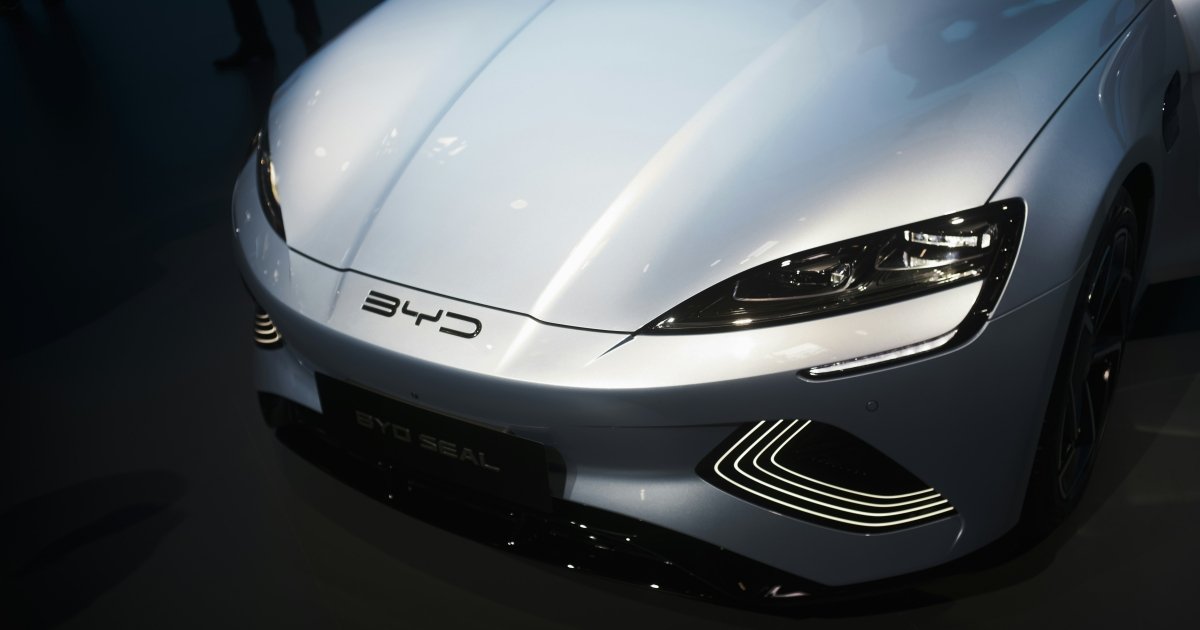
Localizing production will allow the company to bypass high tariffs in the EU
Chinese electric vehicle manufacturer BYD expects to ship over 2.5 million vehicles to overseas markets in 2027. This target is driven by the brand's growing global market share, the expansion of its own car carrier fleet, and the opening of local manufacturing plants. This was reported by Delo.ua citing Reuters, according to the portal PromPolitInform.
Company management forecasts that export volumes will reach between 1.9 and 2 million vehicles in 2026, which is nearly double the figures from the previous period. Representatives of the brand noted that overseas sales this year were restrained by maritime logistics constraints, otherwise the results would have been even higher.
Factory construction and tariff savings
To minimize tariff barriers and logistics costs, the Chinese automotive giant is transitioning to localizing production in key markets. Specifically, the BYD facility in Hungary is scheduled to begin vehicle assembly as early as November or December, while the corporation is also searching for additional locations to build assembly lines outside of China.
According to estimates by Citi analysts, local manufacturing will help avoid the European Union’s approximately 27% tariff on electric vehicles, as well as a 34% import duty in Brazil. This will deliver savings of over 40,000 yuan or $5,961 on every single vehicle, fully offsetting the expenses of launching the new enterprises.
Charging network and domestic market
In addition to expanding into foreign markets, the corporation is actively developing infrastructure and strengthening its domestic positions. By 2028, BYD plans to open 90,000 proprietary fast-charging stations, with 20,000 to appear by the end of 2026, another 30,000 in 2027, and the remaining 40,000 in 2028.
Meanwhile, the manufacturer aims to capture 25% of China’s domestic market as its share has already grown from 8% at the beginning of the year to 18% in July. It was previously reported that auto sales in China dropped by 24%, prompting manufacturers to bet on exports as external shipments surged by 78% to 888,000 units in August.
Photo: Unsplash
Read also: Utility tariffs from September 1, 2026: current prices