At the YES forum in Kyiv, the former US Army chief noted the speed of innovation adoption in the ZSU
Former US Army Secretary Dan Driscoll, speaking at the Yalta European Strategy forum, stated that Ukraine is demonstrating a higher level of technological innovation in the war than Western militaries. He highlighted the 'DELTA' software platform as a tool that surpasses the current capabilities of the United States' defense sector. This was reported by RBC-Ukraine citing CBS News, according to the portal PromPolitInform.
During a public discussion moderated by Fareed Zakaria, Dan Driscoll emphasized the importance of transitioning to rapid development cycles. Together with former Google CEO Eric Schmidt, they discussed the need to integrate the experience gained during hostilities in Ukraine into the development strategies of major military powers.
Effectiveness of Ukrainian technological solutions
Driscoll stressed that the Ukrainian ‘DELTA’ platform allows military leaders to receive a holistic picture of the battlefield in real time by linking data from radars, sensors, and information directly from personnel. In his view, scaling such developments and advancing artificial intelligence will provide Ukraine with a strategic edge over russian occupying forces.
Cooperation with the private sector
According to Eric Schmidt, who now heads the defense firm Perennial Autonomy, government structures often fail to keep pace with technological challenges. He cited the rapid supply of thousands of Merops and Bumblebee drones, which proved critical for defending against the Iranian Shahed drones used by the rf, as a prime example.
Scale of unmanned systems production
During a discussion on UAV production volumes, former CIA Director David Petraeus refined the projections regarding Ukraine’s industrial potential. According to his estimates, production volumes could reach 10 million units, significantly exceeding the figures incorporated into the US side’s annual procurement plans.
Changes in US defense policy
Driscoll, who resigned in late August 2026, noted that his decision to work outside the government was driven by a desire to contribute to security more effectively. He acknowledged that despite Washington’s support, the level of assistance did not always meet Kyiv’s expectations, but assured that the US remains committed to Ukraine’s success in countering the aggressor.
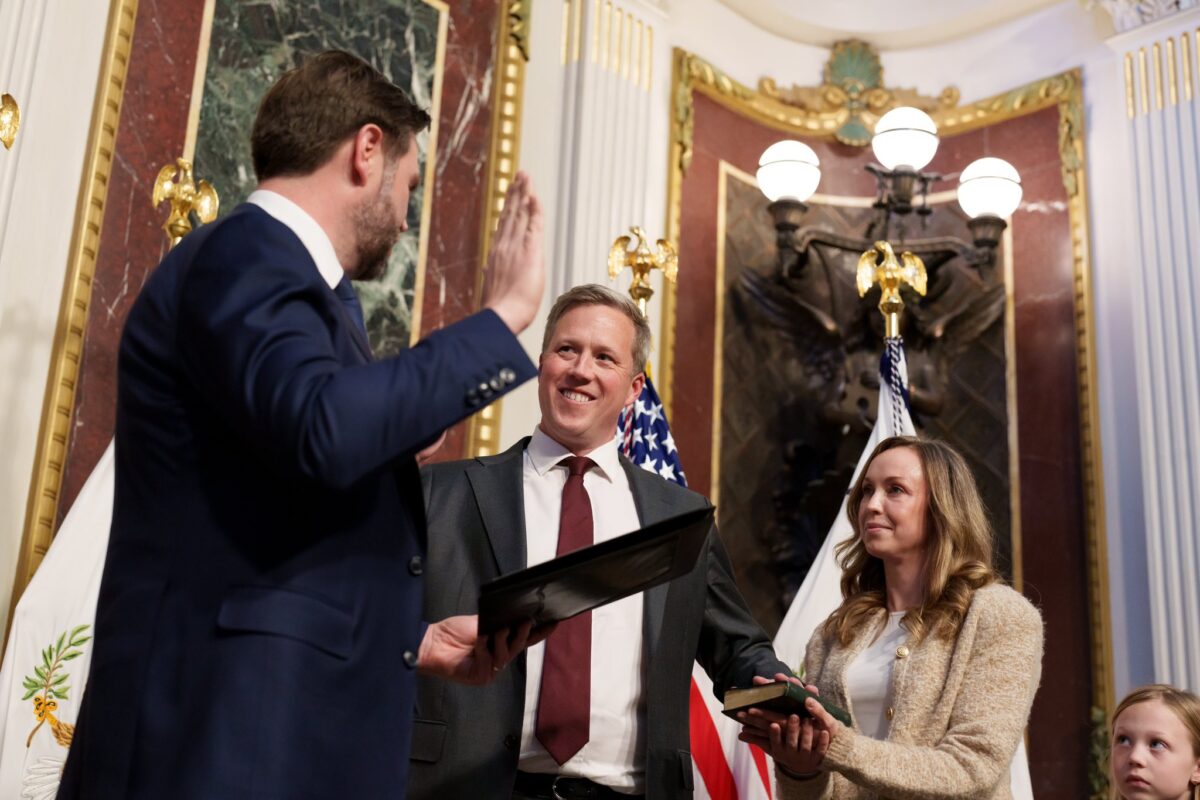
Illustrative photo: @VP / Public domain
Read also: US Secretary of the Army Dan Driscoll resigns following conflict with Pete Hegseth