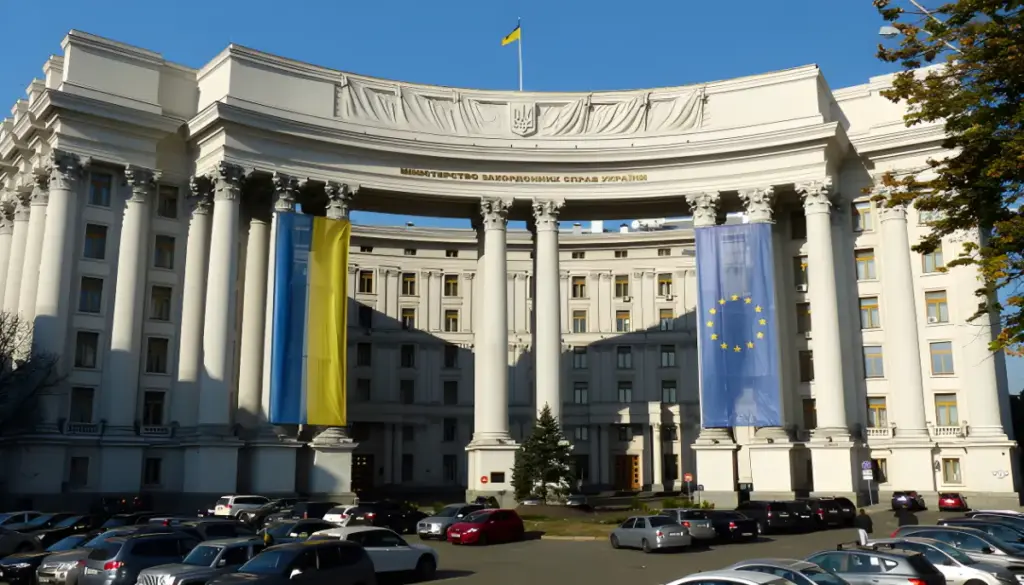
The draft law introduces a mandatory ten-year warranty for completed construction projects
The Cabinet of Ministers has registered draft law No. 16071 in the Verkhovna Rada, which establishes a ten-year warranty period for completed construction projects. The initiative aims to strengthen consumer rights protection in case hidden defects are discovered after commissioning. This is reported by the portal PromPolitInform, citing the Telegram channel of Taras Melnychuk.
The governmental initiative aims to amend the Civil Code of Ukraine as well as specialized laws on the regulation of urban planning activities and consumer protection. The introduced norms are designed to clearly define the responsibility of construction contractors for the quality of performed works and assembled structures. Market participants will be required to ensure the achievement of design indicators and the possibility of full operation of real estate throughout the established period.
Ten-Year Contractor Liability Period
According to the text of the initiative, the warranty period for constructed facilities will be ten years from the date of their official commissioning, unless a longer period is provided for by the construction contract. Exceptions will be made for objects built under a construction passport, as well as structures of the CC1 consequence class with minor risk, where works were performed by economic methods. The contracting organization will be considered responsible for defects discovered during this time until it proves the absence of its own fault.
Quality Assurance and Customer Rights
In addition, quality guarantees for completed construction objects will be provided directly by the customer or its legal successor. Such a person will be liable for defects that may affect the operational suitability of immovable property discovered within the established timeframe. The customer will be able to avoid liability for construction flaws only if it proves that they arose due to external factors rather than its own miscalculations.
Illustrative photo: https://www.kmu.gov.ua/ / CC BY 4.0
Read also: The Supreme Court has banned the restriction of pension payments based on court rulings