Central bank raises inflation forecast to 6–7% amid fuel crisis
The fuel crisis in Russia, triggered by Ukrainian strikes on oil refineries, has added 0.7 to 0.8 percentage points to the country's overall inflation. Due to gasoline shortages, Moscow has begun covering domestic demand through imports. This was reported by Glavcom, according to the portal PromPolitInform.
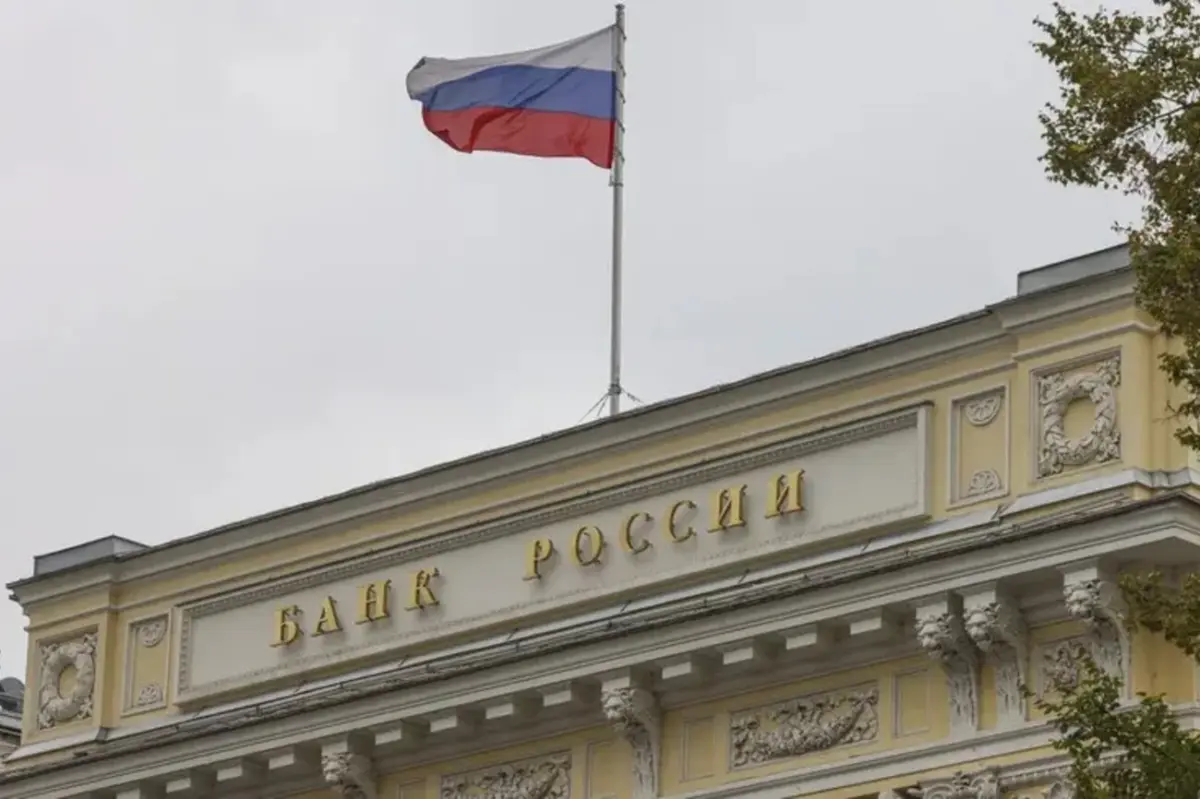
The assessment of the fuel crisis’s toll on the Russian economy was announced by Andrei Gangan, Director of the Monetary Policy Department at the Bank of Russia. According to him, the demand for gasoline on Russia’s domestic market currently has to be partially met through imports. At the same time, the Russian Central Bank representative claims that increased spending on foreign fuel purchases has not yet had a significant impact on the country’s balance of payments.
Inflationary Impact of the Strikes
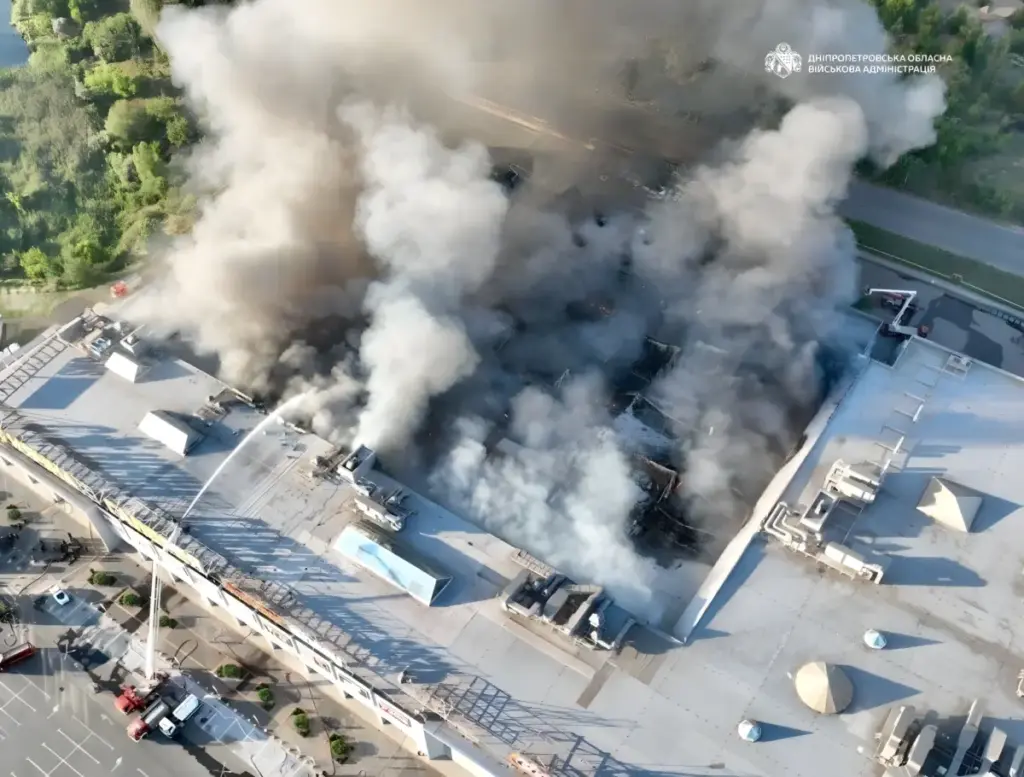
Problems in the Russian fuel market escalated against the backdrop of Ukrainian strikes on oil-processing facilities. The attacks on enterprises led to fuel shortages and a surge in gasoline prices, which ultimately affected the general inflation level. Due to the fuel situation and rising gasoline costs, the Central Bank of Russia revised its 2026 inflation forecast back in July. The regulator raised the expected figure to 6–7%, whereas previously it had projected inflation within the 4.5–5.5% range.
Photo: ЕРА
Read also: US Prepares Final Vote on New Sanctions Against Russia