The rate increased by 0.5 percentage points to stabilize prices and the foreign exchange market
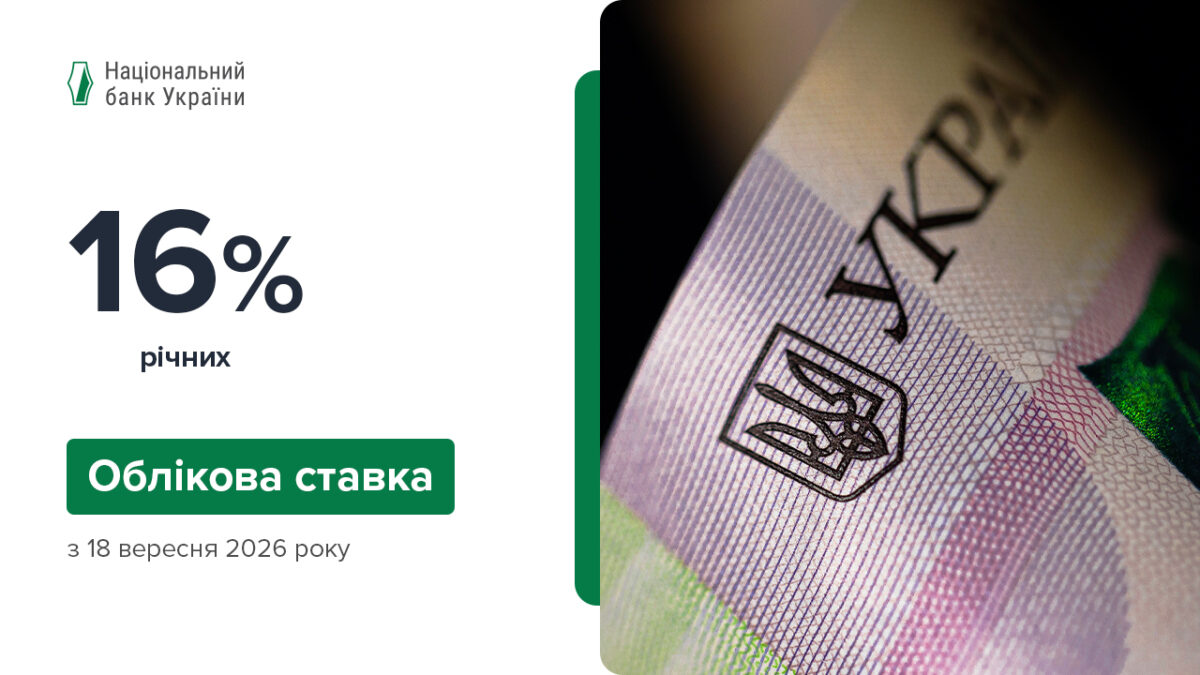
The Board of the National Bank of Ukraine has decided to increase the key policy rate to 16%. This measure is aimed at curbing inflation, strengthening the foreign exchange market, and supporting the attractiveness of hryvnia assets. This is reported by the portal PromPolitInform, citing information from the National Bank of Ukraine.
The regulator explains this move as a necessity to respond to prolonged price pressure, the consequences of military actions, and the intensification of pro-inflationary risks in the medium term. Increasing the cost of money is intended to stabilize the expectations of market participants and steer inflation toward the target of 5%.
Factors of inflationary growth
In August 2026, consumer inflation in Ukraine accelerated to 8.1% year-on-year. The main drivers of this trend were rising fuel costs due to the escalation of the conflict in the Middle East and adjustments to administrative tariffs, which are partly the result of continuous attacks by the russian federation on energy infrastructure.
Fundamental pressure on prices continues to intensify due to rising business production costs, particularly in logistics, labor, and energy supply. Despite the difficult security conditions, consumer demand and the labor market remain relatively resilient, and average wages continue to demonstrate high growth rates.
Forecasts and macro-financial stability
The NBU expects that the slowing of inflationary processes will begin in 2027, facilitated by a tightened monetary policy. At the same time, the bank’s analysts note that price dynamics could be higher than previous forecasts due to russian attacks on logistical and industrial facilities.
International aid remains a critical factor for stability. Despite a decline in funding volumes in July and August, it is expected that the inflow of funds will resume following Ukraine’s implementation of specific reform steps stipulated by international agreements.
Military and external risks
Russian aggression remains the main challenge for economic development. Further attacks on production facilities create pressure on the budget, particularly due to the need for additional spending on defense and reconstruction, which also stimulates demand for imports.
High global energy prices, caused by the war in the Middle East, serve as an additional negative factor. Conversely, domestic food supply, which has increased partly due to restrictions on export opportunities through the Black Sea, may act as a factor dampening inflation.
Photo: National Bank of Ukraine
Read also: Official exchange rates for September 16: dollar rises, euro falls