ODK-Saturn in Rybinsk submitted names of 680 employees for layoffs due to delays in PD-8 engine certification
The management of ODK-Saturn in Rybinsk, Yaroslavl Oblast, submitted names of 680 employees to the regional employment service for layoffs. The plant, part of Rostec, is responsible for serial production of PD-8 engines for the Superjet-100 airliner. This was reported by The Moscow Times, according to the portal PromPolitInform.
The management of one of Russia’s key aircraft engine manufacturers, ODK-Saturn, plans to lay off nearly 700 employees. The enterprise, located in Rybinsk, Yaroslavl Oblast, which is supposed to begin serial production of engines for the import-substituting Superjet, has submitted the names of 680 workers to the regional employment service for potential layoffs, said Yulia Bukayeva, head of the agency. “This is a preliminary list; we understand that some will be offered other jobs. Some will transfer between workshops, some will leave voluntarily,” Bukayeva’s words were reported by Kommersant.
Engine Production Under Threat
ODK-Saturn, part of Rostec through the United Engine Corporation (UEC), is one of Russia’s largest aircraft engine plants. It produces turbojet and turboprop engines, including the PD-8 for Superjets (formerly SaM146) and the D-30KP family for heavy transport aircraft like the Il-76, as well as engine components for Su-35 and Su-57 fighters, small engines for cruise missiles, and other products. Economist Vyacheslav Shiryaev believes that even more layoffs are likely at ODK-Saturn, meaning “there will be no serial engine production at all”: “This wasn’t expected even by related industries and suppliers; otherwise, they would have been expanding staff, not cutting it.”
Certification Delays and Reduced Output
The initial version of the Comprehensive Program for the Development of the Aviation Industry (CPAI) planned to produce over 300 PD-8 engines to equip 142 Superjet-100 airliners. Production was supposed to begin as early as 2024. However, due to delays in testing and certification, the government repeatedly pushed back deadlines and reduced output targets: by late 2024, the 2025 plan was cut to just six engines, and the 2026 target was reduced to 44 units, with main production shifted to 2027–2030.
Certification and Initial Deliveries
The PD-8 type certificate was only obtained in June this year, and in August, UEC reported delivering the first two serial engines to aircraft manufacturers. At the time of certification, the engine’s service life was around 80 flight cycles; bringing it up to target commercial performance levels is expected only by the end of 2027 — the same deadline by which serial deliveries of Superjets to airlines have been postponed. In parallel, a project was launched in 2026 to replace imported SaM146 engines with PD-8 on already-operating SSJ100 aircraft. The cost of re-engining one airliner was estimated at 2.3 billion rubles, comparable to the previous cost of the aircraft itself.
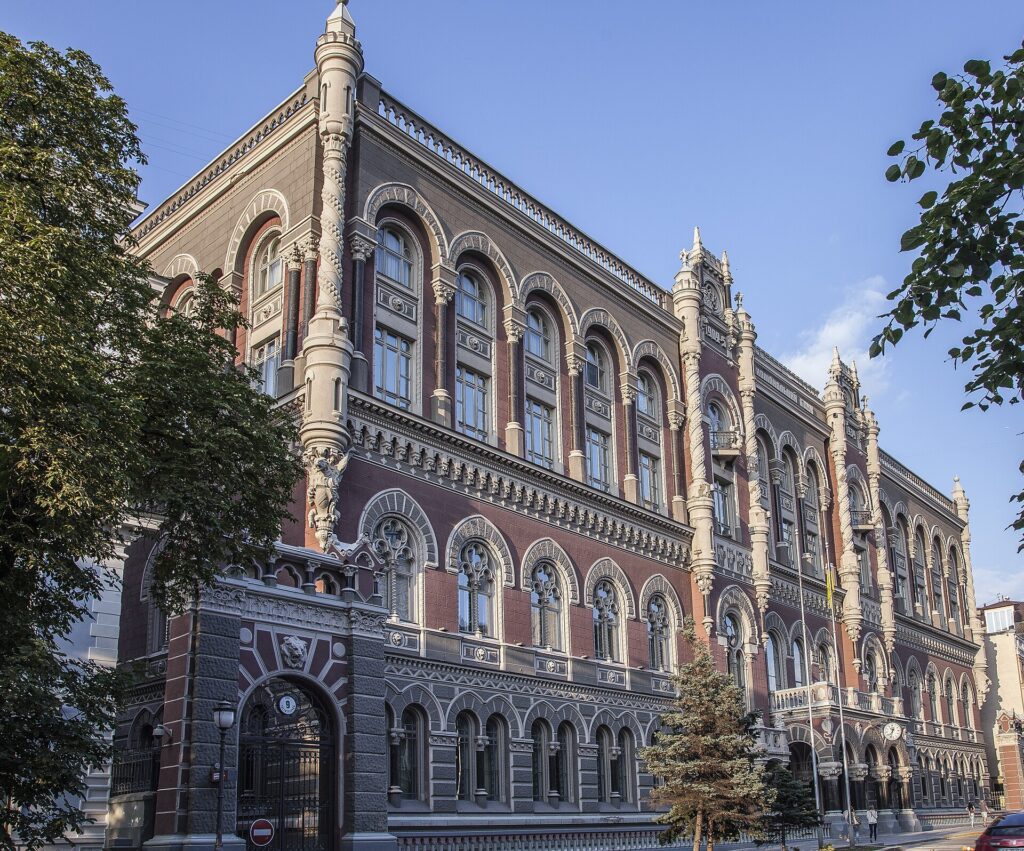
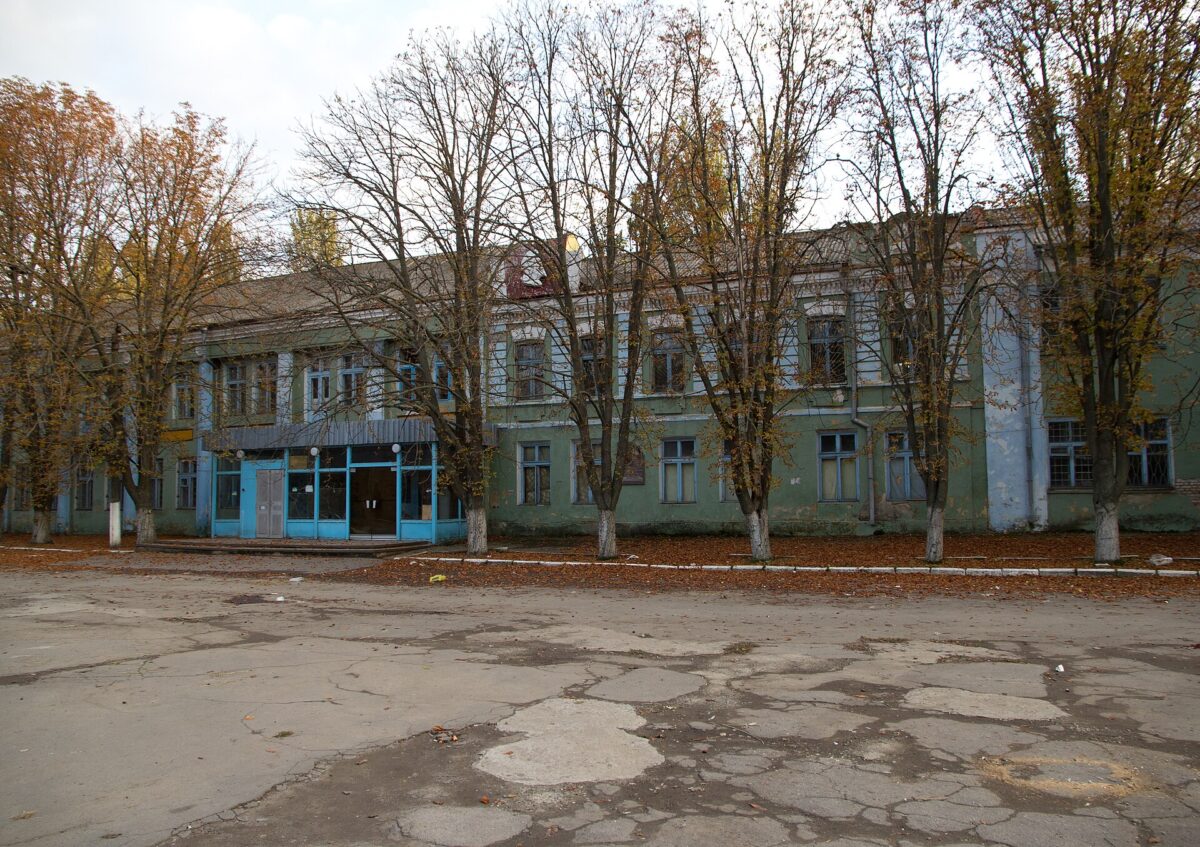
Illustrative photo: Dmytro Petishkin / CC BY 4.0
Read also: Authorities Destroy Small Business Through Marking to Fill Budget and Putin’s Friends’ Pockets