This applies not only to the fuel and energy complex but also to high-tech industries, such as aircraft manufacturing.
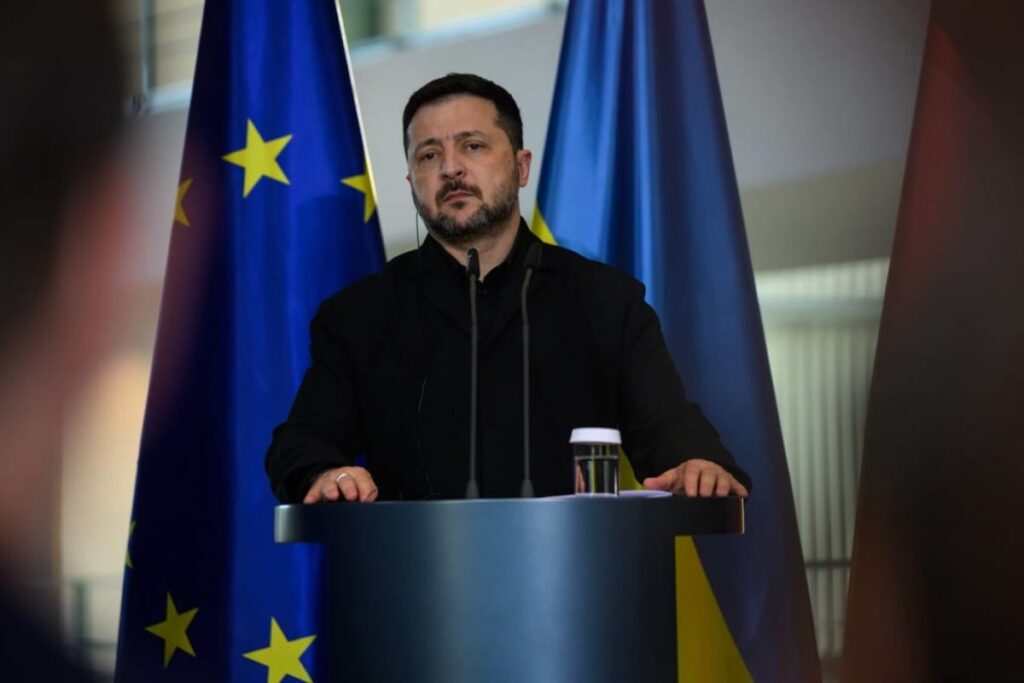
The scale of problems in the oil refining sector is evidenced by the statement of President of Ukraine Volodymyr Zelenskyy: currently, 55% of Russian oil refining capacity has been disabled. This figure takes into account both current damage from attacks and long-term downtime after previous strikes. The government’s reaction to this situation was expected: Deputy Prime Minister of the Russian Federation Alexander Novak, during a meeting on November 17, 2026, acknowledged the existence of local fuel shortages, initiating measures to stabilize the market through increased imports of petroleum products and the use of lower-grade fuel.
Technological vulnerability and logistical challenges
The destruction of primary processing units at facilities such as the Volgograd Oil Refinery and the Kirishi plant has created a task for Russian engineers that goes beyond quick repairs. Since the restoration of damaged equipment requires complex imported components that have fallen under international sanctions, any attempt to patch up the facilities is neutralized by repeated attacks. In fact, Russian energy has entered survival mode, where the authorities are forced to choose which facilities to prioritize for launch instead of planning for development.
Meanwhile, an identical trend of stagnation is observed in the aircraft engine manufacturing sector. PJSC ODK-Saturn, the key developer of engines for the Superjet-100 aircraft, has submitted a list of 680 employees subject to layoffs to the regional employment service, as reported by the head of the agency, Yulia Bukayeva. Economist Vyacheslav Shiryaev states: such steps at a company that is supposed to be responsible for import substitution in aviation indicate that mass production of engines should not be expected.
Certification delays and failure of the substitution program
The situation with the PD-8 aircraft engines is a classic example of the gap between the Kremlin’s ambitious plans and actual production capabilities. Although the type certificate was only obtained in the summer of 2026, the initial plans to produce more than 300 engines to equip 142 airliners have been repeatedly revised toward radical reduction. At the moment, mass deliveries have effectively been pushed back to 2027, and the SSJ100 re-engining program itself looks economically dubious due to the colossal cost of work, which is equal to the price of a new aircraft.
Thus, we are seeing a systemic crisis where a lack of technology coincides with the physical exhaustion of production capacity. Under conditions where the state is forced to simultaneously import petroleum products to satisfy internal demand and cut personnel at strategic Rostec enterprises, there is no talk of large-scale industrial recovery. The Russian economic model, where reducing quality standards becomes the main regulator of shortages, has been trapped by its own dependence on imported components and the geographical vulnerability of critical infrastructure facilities.
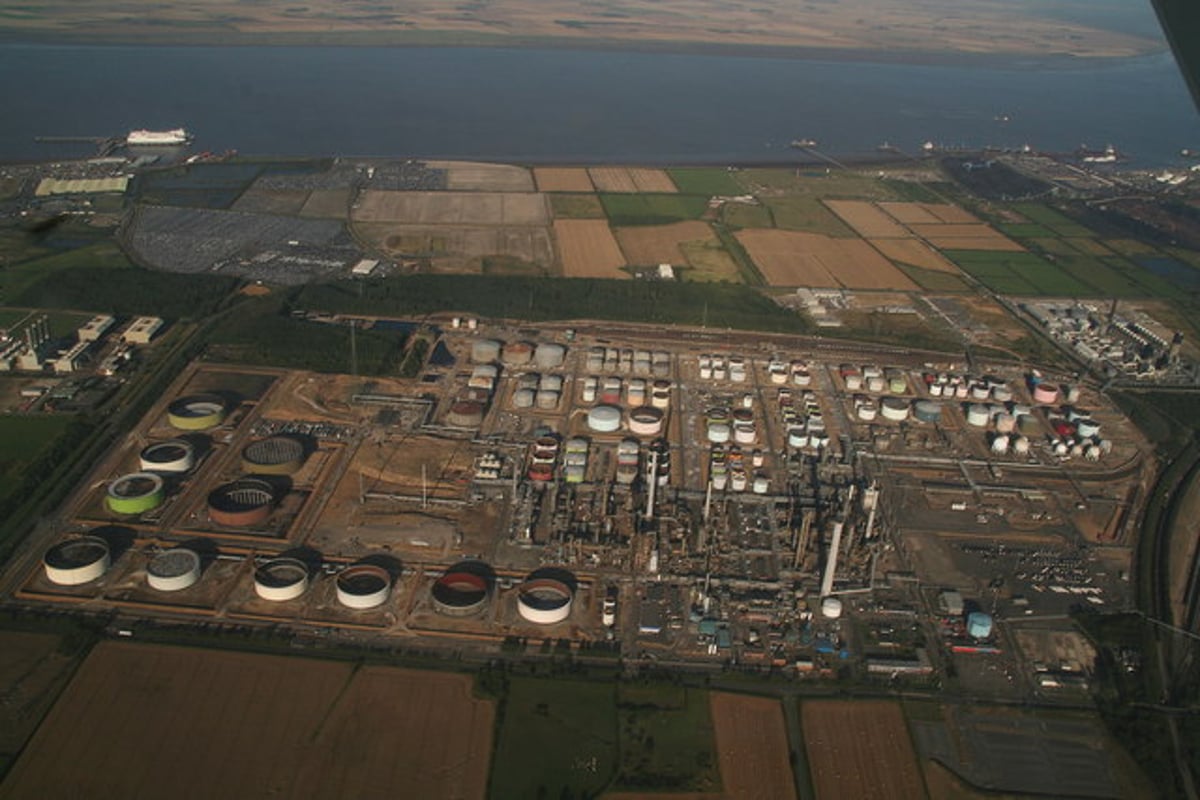
Illustrative photo: Chris / CC BY-SA 2.0
Read also: