Four people were injured during the night strike on the Afipsky and Ilsky refineries
On the night of November 18, Ukrainian drones launched a massive attack on oil refineries in Russia's Krasnodar Krai. The strike caused fires at the Afipsky and Ilsky refineries, resulting in four injuries. This was reported by The Moscow Times citing the Telegram channel of Astra, according to the portal PromPolitInform.
According to the Krasnodar Krai operational headquarters, debris from downed drones fell at nine locations in the Seversky District, damaging private residences and streets. Local sources confirmed that fires broke out directly at the refinery production facilities.
Consequences for the Russian energy sector
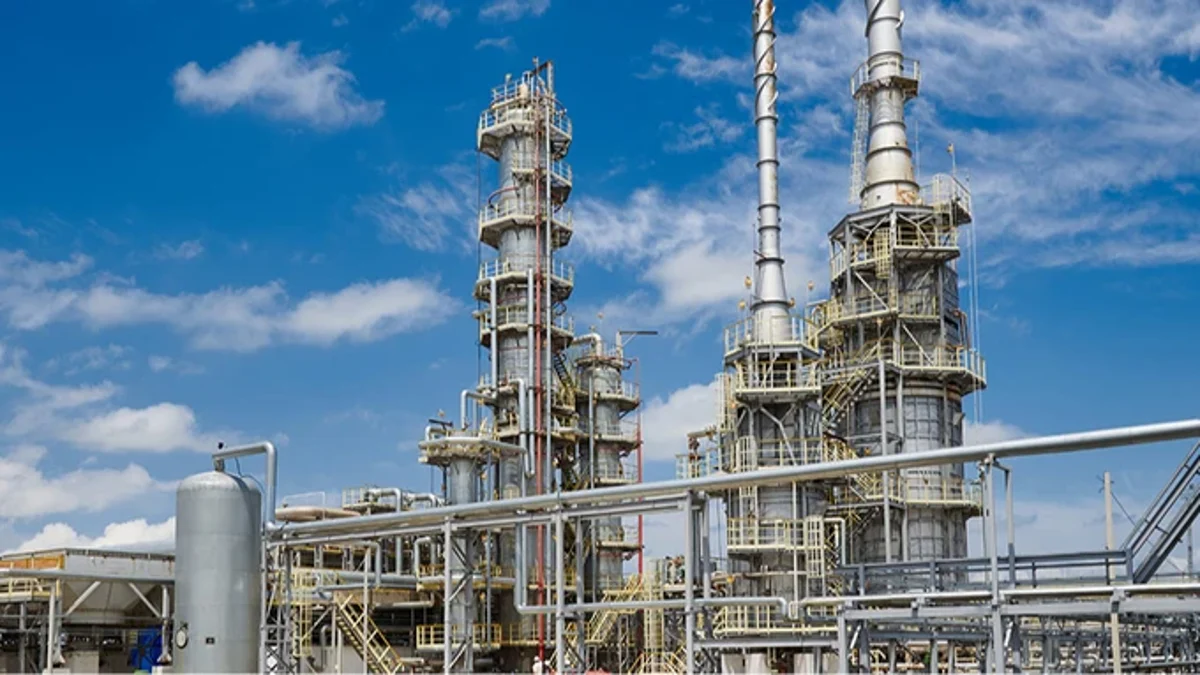
The Afipsky refinery, one of the largest in southern Russia, has the capacity to process over 7 million tons of oil annually. The facility, which focuses on export-oriented products such as gasoline, diesel, and jet fuel, was targeted for the second time this November and the eighth time this year.
The Ilsky refinery has an annual capacity of approximately 6.6 million tons of crude. According to the General Staff of the Armed Forces of Ukraine, three atmospheric distillation units were disabled during the recent strikes on the plant.
Drop in oil processing volumes
Large-scale strikes on Russian refining infrastructure, which resumed in late October, have affected approximately 10 of the country’s 35 major refineries. In addition to the facilities in Krasnodar Krai, strikes hit the Novokuibyshevsky, Ryazan, Saratov, Yaroslavl, Omsk, Nizhny Novgorod, Ufa, and Kirishi refineries.
Analytical data indicates that Russia’s total oil refining volume has decreased by 30% over the last few weeks. While the processing rate was about 700,000 tons per day in late October, it had fallen to 500,000 tons per day by mid-November.
Fuel shortages in regions
Reduced production has led to fuel sale restrictions at gas stations in at least eight Russian regions. Gasoline shortages have been reported in the Leningrad, Nizhny Novgorod, Arkhangelsk, Novosibirsk, and Penza regions, as well as in Karelia and Buryatia.
In Moscow, the Rosneft chain implemented fuel limits, capping sales at 50 liters per passenger vehicle and no more than 20 liters in canisters. These measures reflect the broader instability currently affecting the Russian energy sector.
Illustrative photo: ArmyInform / CC BY 4.0