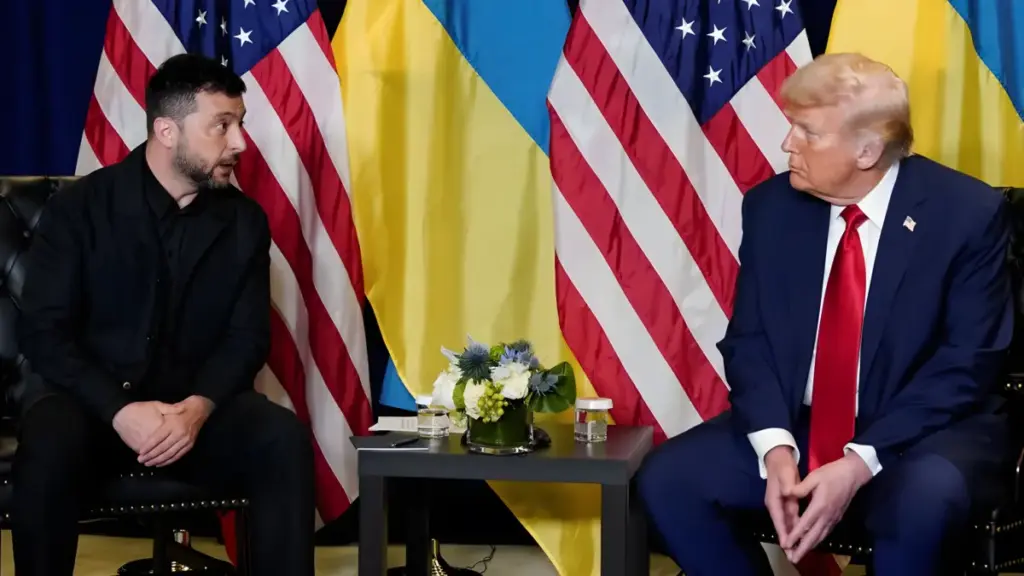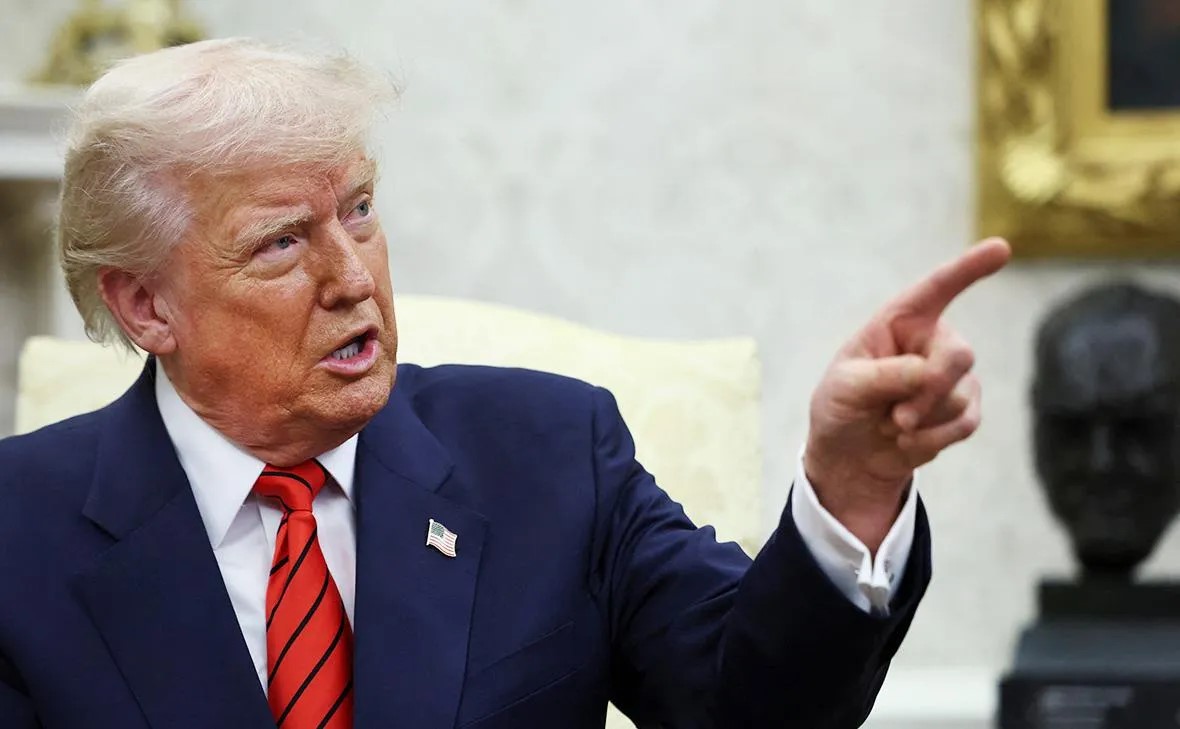
U.S. President Donald Trump said that foreign governments would have to pay “a lot of money” to have global tariffs lifted, which he described as “medicine” and which have triggered declines in global financial markets. This was reported by Reuters, according to Ukrinform, as cited by the PromPolitInform portal.
Speaking to reporters aboard Air Force One, Trump said he was not concerned about the losses that have already wiped out trillions of dollars from stock markets around the world.
“I don’t want anything to fall. But sometimes you have to take medicine to fix something,” he said.
Trump said he had spoken over the weekend with leaders from Europe and Asia who hope to persuade him to cut the tariffs, which are due to take effect this week, by half.
“They’re coming to the table. They want to talk, but there will be no talks unless they pay us a lot of money on an annual basis,” the U.S. president stressed.
Asian stocks suffered heavy losses at the start of trading on Monday, while U.S. stock index futures opened sharply lower, as investors voiced concerns that Trump’s tariffs could lead to higher prices, weaker demand, declining confidence, and potentially a global recession.
On Sunday, Trump’s top economic advisers sought to portray the tariffs as a sensible repositioning of the United States within the global trading order.
Treasury Secretary Scott Bessent said that more than 50 countries had begun negotiations with the United States following the tariff announcement last Wednesday. “He (Trump – ed.) has created maximum leverage for himself,” Bessent said in an interview with NBC News.
Commerce Secretary Howard Lutnick told CBS News that the tariffs would remain in place “for days and weeks.”
White House economic adviser Kevin Hassett attempted to downplay concerns that the tariffs were part of a strategy to pressure the U.S. Federal Reserve to cut interest rates, saying there would be no “political coercion” of the central bank.
As reported earlier, stock markets across the Asia-Pacific region opened sharply lower on Monday, extending a global sell-off triggered by President Donald Trump’s launch of a global trade war.