Practical Guidelines for Surviving in a City Apartment During Prolonged Power and Heating Outages
Living in a high-rise urban apartment without utilities during severe frost is not only about stockpiling supplies — it requires a shift in mindset.
Survival depends on preparedness for autonomy, discipline, and mutual support. The main enemies are not only cold and lack of utilities, but also humidity and logistical challenges.
PromPolitInform has prepared practical advice and survival recommendations for citizens facing freezing apartments during prolonged heating and power outages amid wartime conditions. This is a comprehensive action plan combining safety, heat conservation, and practical resilience, based on data from the State Emergency Service of Ukraine (SES), the experience of residents of frontline cities, and open sources.
SAFETY IS THE TOP PRIORITY
- NEVER use dangerous indoor heating methods:
- Prohibited: using gas stoves, ovens, camping burners, or electric immersion heaters for space heating. High risk of fire and carbon monoxide (CO) poisoning.
- Prohibited: lighting open fires, fireplaces (if not purpose-built), or using liquid fuels such as kerosene or alcohol indoors. This may cause fire and poisoning.
- Prohibited: leaving candles or burners unattended. Candles must be placed in deep, non-flammable containers (e.g., glass jars), far from curtains and furniture.
- Do not use wood-burning stoves in apartments without a dedicated chimney due to the risk of fire and fatal gas poisoning.
- Ventilation and monitoring:
- When using any fuel source (even alcohol burners), keep a window slightly open for constant micro-ventilation.
A situation where an apartment is left without heat and electricity during severe frost is a serious challenge that requires a strategic approach to preserving body heat and residual indoor warmth.
CREATING A “THERMAL CORE”
Do not try to heat the entire apartment — it is impossible without central heating. Your goal is to insulate one room as much as possible, where all family members will stay.
- Choose the smallest room: preferably centrally located, not a corner room, with minimal exterior walls.
- Seal all gaps: tape window cracks with duct tape, foam, or fabric. Even modern plastic windows should be switched to “winter mode” and additionally covered with thick blankets or thermal film.
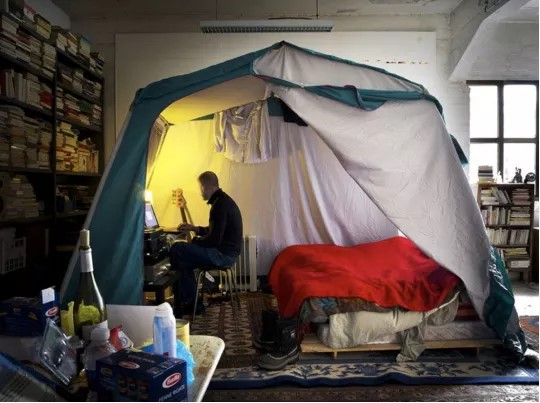
- A tent inside the apartment: one of the most effective methods. Set up a camping tent directly on a bed or the floor in the selected room. The breathing of several people inside can raise the temperature by 5–7°C compared to the surrounding room.
LAYERING PRINCIPLE AND BODY INSULATION
When external heat sources are absent, your body becomes the only “heater.”
- Proper clothing — three layers:
- Moisture-wicking layer (thermal underwear).
- Insulating layer (fleece or wool).
- Wind protection (jacket or vest).
- Protect extremities and head: up to 10% of body heat is lost through the head. Wear a thin wool hat even while sleeping. For feet — two pairs of socks (thin + thick wool).
- Insulation from the floor: when sitting or sleeping, place a sleeping mat, blankets, or even cardboard boxes between you and the floor or cold walls.
ALTERNATIVE HEAT SOURCES
If there is no electricity, use “low-heat” methods:
- Chemical and salt heat packs: disposable warmers in gloves or shoes can prevent frostbite.
- Hot water bottles: if you have gas or heated water, pour it into plastic bottles, wrap them in fabric, and place them in a sleeping bag or under blankets. This acts as a powerful heat аккумуляtor for 3–5 hours.
- Candle heater: a ceramic pot placed over a candle can slightly warm hands, but it will not significantly heat the air.
SPACE ORGANIZATION AND SMART NUTRITION
- “Warm corner”:
Arrange a sitting or sleeping area on the floor using thick rugs or cardboard for insulation. Sitting together helps retain warmth.
- Food and drinks:
- A thermos is your best friend. Keep hot tea with ginger or lemon available at all times.
- Warm drinks: tea, compote, or simply warm water. No alcohol! It creates a false feeling of warmth but accelerates heat loss.
- Nutrition: your metabolism needs fuel.
- Eat warm, high-calorie foods: porridge, stewed meat, lard, nuts, chocolate, soups. Digestion helps warm the body.
WATER AND HYGIENE
- Water supply: keep a reserve of drinking water, as pipes may freeze.
- Minimum: 3 liters of drinking water and 5 liters of technical water per person per day.
- Water heater (boiler): treat it as a reserve tank. Shut off the inlet valve and drain water for technical needs.
- Logistics: carry water in backpacks — it’s easier to climb stairs.
- Toilet: use garbage bags with absorbent material (sawdust, cat litter, or paper) to avoid sewage issues.
Humidity is an enemy of warmth — damp air heats very slowly.
- Ventilation: even in frost, open windows for 2–3 minutes every few hours. Dry air warms faster.
- Moisture absorbers: place salt, baking soda, or cat litter in corners to absorb excess moisture.
- Drying clothes: do not dry wet clothes in the room where you sleep. Use a balcony or stairwell.
EMERGENCY POWER AND COMMUNICATION
- Lighting: LED flashlights, battery-powered lamps, or power banks with USB lights. Candles — only with maximum precautions.
- Communication: keep a fully charged power bank for phones. Save battery: enable power-saving mode, disable mobile data, Wi-Fi, Bluetooth. Use SMS.
- Radio: have a battery-powered radio for official information.
HEALTH AND HYGIENE
- Preventing hypothermia and frostbite:
- Signs of hypothermia: uncontrollable shivering, fatigue, drowsiness, slurred speech.
- Signs of frostbite: pale skin, loss of sensation in fingers, nose, ears.
- What to do: warm gradually (do not rub with snow), drink warm liquids, seek medical help.
- First-aid kit:
Ensure you have essential medications, a thermometer, antipyretics, and bandaging materials.
- Hygiene:
Use hand sanitizer. For washing, heat small portions of water safely (if gas is available) or outdoors/on a balcony using a camping burner.
MUTUAL ASSISTANCE AND COMMUNICATION
- Unite with neighbors: coordinate actions, share information, check on elderly and vulnerable people.
- Know contacts: territorial defense units, local volunteers, nearest heating point (if announced).
- Follow official sources: via radio or SMS alerts.
WINTER SURVIVAL CHECKLIST
- Warmth and sleep:
- Winter sleeping bag (comfort temperature around 0°C to −5°C).
- Sleeping mat for floor insulation.
- Chemical hand and foot warmers.
- Hot water bottles or sturdy plastic bottles.
- Clothing:
- Thermal underwear (merino wool or dense synthetics).
- Thick fleece jacket.
- Wool socks (2–3 pairs), insulated slippers.
- Thin fleece hat and neck gaiter.
- Kitchen and energy:
- Camping gas stove + 3–5 gas canisters.
- Thermos (1.5–2 L).
- Food reserves: freeze-dried meals, nuts, dried fruit, chocolate, halva, canned meat.
- Power bank (20,000 mAh or more).
- Lighting and safety:
- Headlamp.
- Battery-powered LED strips or garlands.
- Carbon monoxide (CO) detector — essential when using gas burners or candles.
More advice on home-use outdoor equipment can be found on Gorgany resources or SES Ukraine guidelines.
Key principle:
Your warmth is your body heat. The goal is to preserve it through proper insulation and smart organization. Safety comes first. Take care of yourself, your loved ones, and your pets.
Ukrainians can also report the absence of heating, water, or electricity via emergency line 112. Operators will forward information to emergency response headquarters.
Authorities have temporarily eased curfew rules so people can reach “Points of Resilience”, where they can warm up, charge devices, and access the internet. These points may include shops, gas stations, and some food establishments.
Surviving alone is much harder. Get to know your neighbors, help elderly people nearby, and share resources. Together, it is warmer and safer.
Photo: open sources