Farming is being decimated in Ukraine. Farmers are being forced to close their businesses because they cannot compete in the market. This year, according to experts, our country could lose up to 20% of its dairy farming. Overall, Ukraine is losing its position as an agrarian nation in the global market. This is reported by Today.ua and the PromPolitInform portal.
The agroreview article discusses the reasons for the unprofitability of the dairy industry.
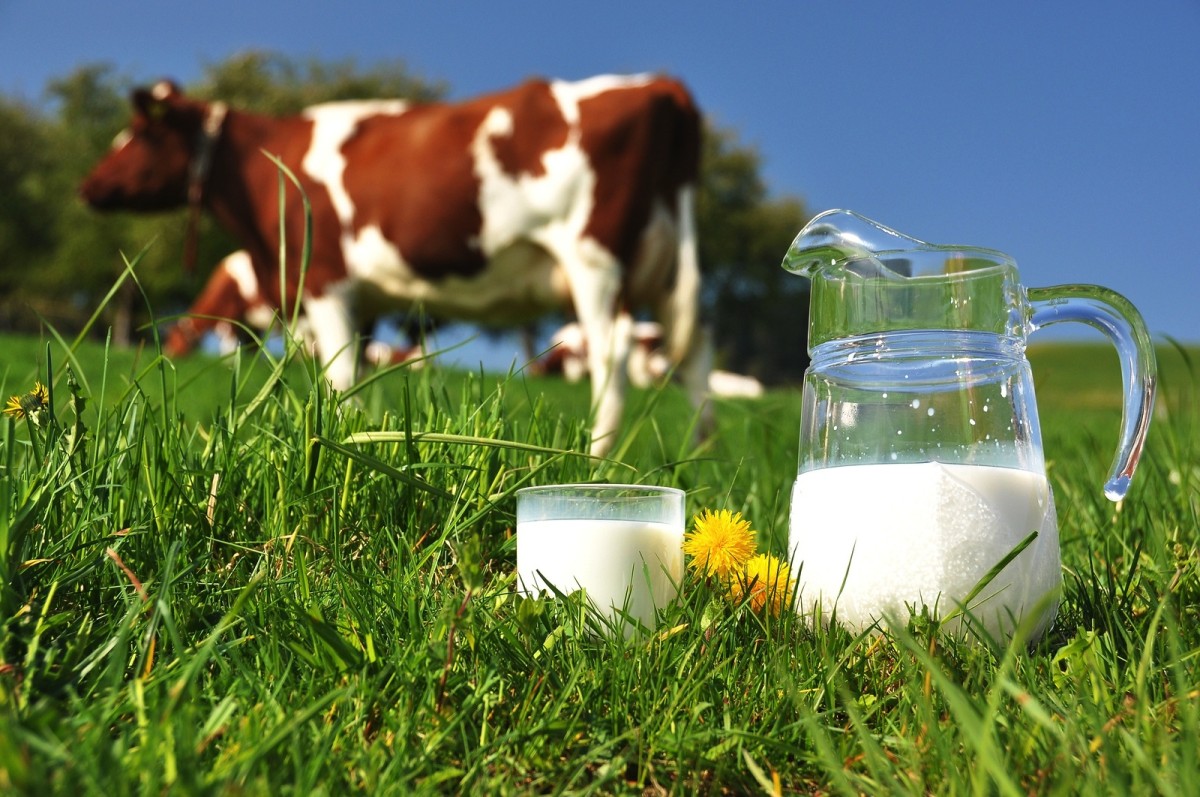
Ukraine could suffer significant losses in dairy farming. One of the main sectors of the agricultural sector is falling into disarray due to unprofitability. According to current price monitoring, raw material buyers are buying milk from farmers at an average price of 13.5 UAH/kg. Meanwhile, the cost of a kilogram of milk in Ukraine is currently 15.5-16 UAH/kg. Therefore, farmers are forced to operate at a loss.
Market analysts say the situation could improve in the fall. But, firstly, the key word here is “could,” meaning it’s not a given. Secondly, most small farmers lack the financial cushion to survive the spring and summer while maintaining their dairy herds. Because of this, many are already winding down their businesses. Experts predict that Ukraine will lose 10-15% of its total dairy production this year. In the worst-case scenario, the loss could reach 20%.
Analysts say Ukrainian farmers have become hostages not only to the war and its attendant processes, but also to a global trend. The global market is currently experiencing an overproduction of milk and dairy products.
Furthermore, Ukraine is currently awash with imported cheeses. Imports already account for half of the domestic market for this type of product. Foreign cheeses are cheaper than domestic ones, and therefore they are in higher demand.
Small farms with fewer than 400 dairy cows face the greatest challenges. On such farms, production costs are higher than on large livestock complexes, where everything is automated and raw material production costs are significantly lower.
Furthermore, the demands associated with Ukraine’s European integration are not adding to Ukrainian farmers’ confidence in the future. By 2028, cows on farms must meet high veterinary standards for animal welfare. This, of course, will require farm retooling, some of it drastically. This means significant capital investment, which small farmers lack.
A solution could be preferential lending with partial state participation and deferred repayment. But this is not realistic. And farmers cannot afford regular loans with high interest rates.
Furthermore, domestic processors are also currently struggling and are also forced to reduce production volumes and, consequently, raw material purchases. Because of this, many Ukrainian farmers have already announced their withdrawal from the market and the scaling back of their production. Behind these farm bankruptcies are unpaid taxes and lost jobs.
Thus, Ukraine is rapidly losing its position and reputation as an agricultural country. Of course, nature abhors a vacuum. Small farmers will be replaced by large agricultural monopolies, which will be profitable and effectively take over the entire market.
And Ukrainians, the traditional farmers and breadwinners, face a different fate: bankruptcy, conscription (the path to the TCC), and, at best, post-war survival. Without their own land, without a familiar and understandable business, and without prospects of restoring it all and passing it on to at least their descendants.