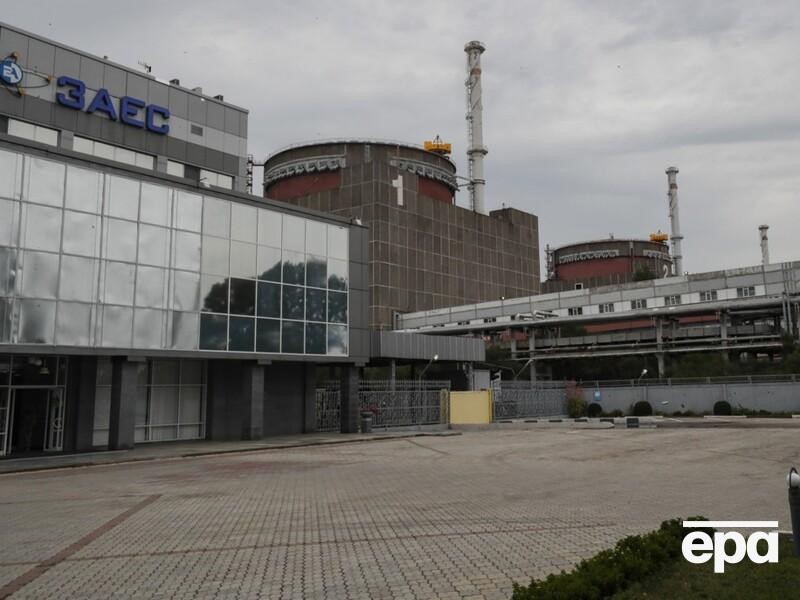
The Zaporizhzhya nuclear power plant (NPP) temporarily occupied by the aggressor country Russia disconnected from the Dneprovskaya power transmission line, which connects the NPP with the united energy system of Ukraine.
This was announced on March 24 at the International Atomic Energy Agency (IAEA), informs the portal PromPolitInform.
The station remained on one reserve line “Ferroalloy-1” 330 kV.
“Today, the Ukrainian ZNPP has lost contact with the 750 kV Dniprovska power transmission line, remaining dependent on a single backup external power supply line,” the report says.
The agency also said that IAEA Director Rafael Grossi began negotiations with both parties to establish a local ceasefire to repair the damaged line.
“The IAEA group is monitoring the situation at Zaporizhzhya NPP,” the agency added.
On March 5, the Ferroalloy-1 power line was restored at the power plant, after which the NPP again had access to two external power lines. Repair work on the damaged site lasted more than three weeks, the IAEA reported.
- In March 2022, the aggressor country of the Russian Federation seized and since then has actually been managing the Zaporizhzhya NPP, which does not produce electricity – all six power units are turned off. The Russians could not configure the equipment of the station, according to Energoatom.
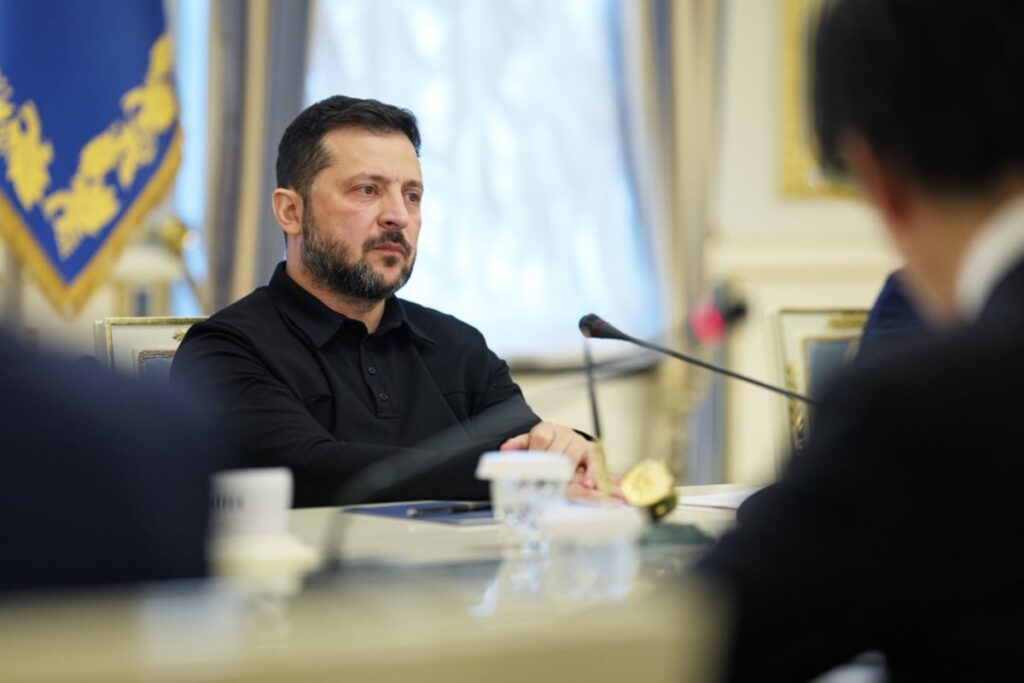
- President of Ukraine Volodymyr Zelensky called the topic of ZNPP one of the most difficult during the negotiations on the settlement of the Russian-Ukrainian war.
- US President Donald Trump at the end of last year stated that he had discussed the issue of ZNPP with illegitimate Russian President Vladimir Putin. The head of the Kremlin “is really working with Ukraine to open it, the US president claimed.
- In January 2026, the media wrote that the Kremlin proposes to divide the electricity of Zaporizhzhya NPP between Ukraine and the Russian Federation.
- On February 23, the head of the President’s Office, Kirill Budanov, said that the Russian side in the matter of nuclear power plants offered certain formats of joint ventures.
Photo – ERA