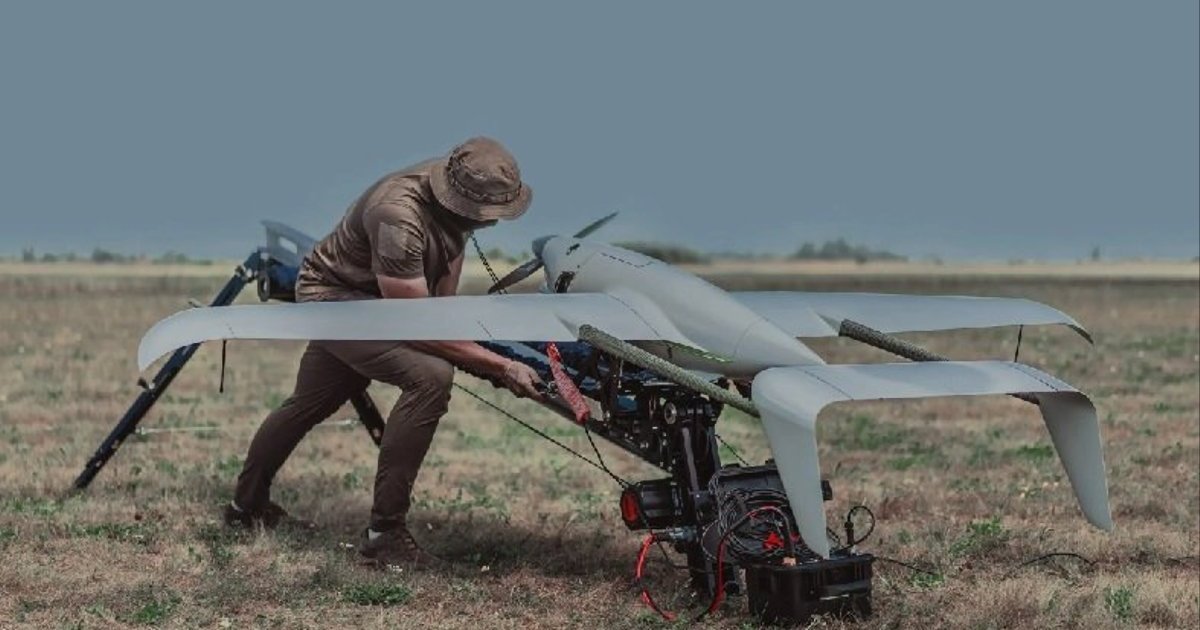
Kyiv offers NATO countries unique technologies.
Ukraine plans to sign large-scale defense agreements with at least seven NATO countries by the end of the year. Kyiv’s new foreign policy strategy is designed to demonstrate that the state is capable of being not only a recipient, but also a powerful supplier of military equipment and unique combat experience, The Guardian reports. This is reported by ZN,ua, the PromPolitInform portal reports.
Geography of “drone diplomacy”
In recent months, Kyiv has already concluded so-called “drone agreements” with six states. Among them: three Middle Eastern countries (Saudi Arabia, the UAE and Qatar), which have acutely felt the need for Ukrainian support after the war between the US and Israel against Iran began in the spring of this year. Then the entire region was subjected to massive attacks by Iranian Shahed drones. The enemy has been constantly using these same UAVs against Ukrainian cities for the past four years. Agreements were also signed by Azerbaijan and two NATO members – Latvia and Lithuania.
As explained by the Deputy Secretary of the National Security and Defense Council of Ukraine, Davyd Aloyan, this initiative covers much more than just the supply of drones. The most valuable is access to knowledge, experience and integration of all components of the system into a single complex.
To effectively counter air threats, partners need a holistic security ecosystem complex (an integrated system for detecting and destroying air targets), which includes:
Interceptor drones;
Subcomponents and high-precision sensors;
Ground control stations;
Modern radar systems (RAL).
Rescue from cheap Shahed
Kyiv’s “drone diplomacy” intensified during the US-Iran conflict, when Tehran attacked American allies in the Persian Gulf. Most countries in the region were unprepared for the threat, although Iran used much less advanced versions of drones than the modernized models that Russia uses against Ukraine.
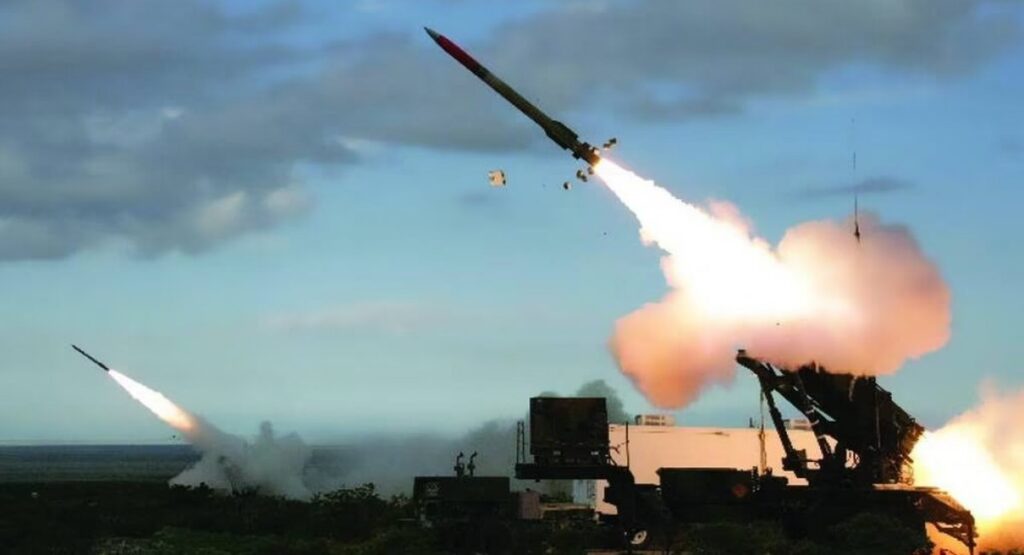
In some cases, expensive Patriot SAM missiles had to be used to shoot down cheap Shaheds, although cheap interceptor drones should cope with this task. However, an interceptor by itself without an integrated radar system and experience is ineffective. One of the Persian Gulf countries purchased interceptors from a Western company that developed them together with Ukrainian manufacturers, after which Kyiv regularly consulted partners on their operation at the operational and tactical levels.
Michael Kofman, an analyst at the Carnegie Endowment for International Peace in Washington, emphasized that it is in large-scale systems integration that Ukraine’s experience is indispensable. At the same time, direct supplies of drones themselves are currently not carried out due to strict export controls and the focus of Ukrainian industry on domestic defense needs. In addition, such diplomacy helps keep Ukraine on the world agenda at a time when the world’s attention has shifted to the Middle East.
European analogue of Patriot
Now the focus of Kyiv’s attention is shifting to NATO partners, especially those bordering Russia. For example, in Latvia in May 2026 the government resigned due to a political scandal after two Ukrainian long-range drones, knocked off course by Russian electronic warfare, hit an oil depot. Soon Riga signed a “drone agreement” with Kyiv, and the opening of a joint drone production plant in eastern Latvia has already been announced. A similar deal was struck in Lithuania, where air-raid sirens were also raised by downed drones.
New contracts could be signed at a NATO summit in Ankara this week. But the most ambitious project is Kyiv’s attempt to create a European counterpart to the Patriot system to protect against Russian ballistic missiles, the weakest point in Ukraine’s air defenses due to a shortage of American systems. President Volodymyr Zelensky has made it a priority, and discussions are already underway at the level of arms companies and politicians.
Changing attitudes
Since the start of Russia’s full-scale invasion in 2022, Ukraine has largely been a recipient of Western military aid. But years of high-tech warfare have forced Ukraine’s defense-industrial complex to make a significant leap in the development of unmanned systems, turning the country into a world leader in practical experience in countering modern air threats.
Ukraine’s Ambassador to NATO, Alena Getmanchuk, noted that the attitude of the allies has changed dramatically since the summer of last year: if earlier the words about Ukraine as a “security provider” were viewed with hesitation, now European leaders themselves are starting the conversation with this, realizing that Europe will have to take care of its security on its own with less support from the United States. Europe no longer wants to rely only on the promises of overseasallies. While NATO remains the foundation of collective security, London, Paris, Warsaw, Berlin and Oslo are building their own network of bilateral defense agreements – from long-range missiles to nuclear consultations and the protection of critical infrastructure.