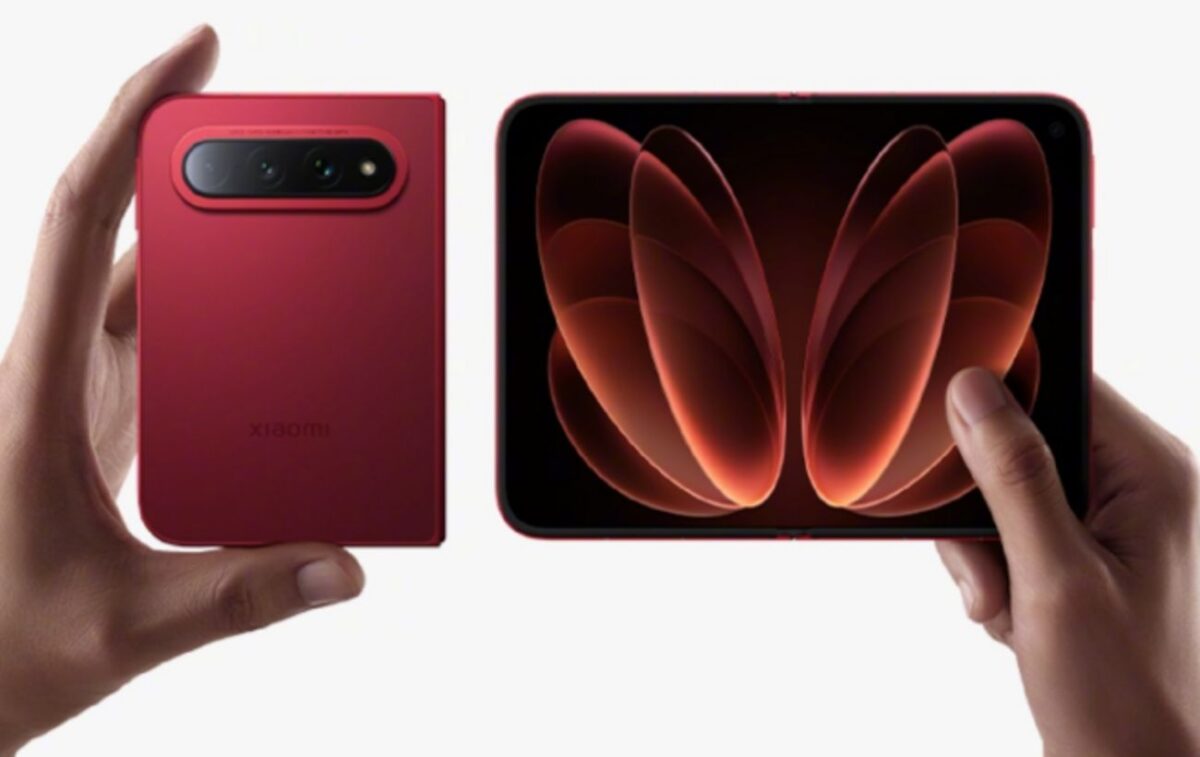
The Xiaomi Pad 9 Pro Max tablet received a new 3nm processor
Xiaomi is preparing for a presentation on September 7, where it will showcase the Xiaomi 18 Fold foldable smartphone and the Pad 9 Pro Max tablet. Both devices will run on the new 3-nanometer Xring O3 processor. This was reported by RBC-Ukraine (Ольга Завада) citing Xiaomi, according to the portal PromPolitInform.
The Chinese manufacturer is preparing to demonstrate its pursuit of technological independence from third-party component suppliers. The main premiere of the event will be a foldable device with an unusually wide screen form factor.
According to preliminary estimates by reviewers, the proportions of the mobile device resemble other market counterparts with internal folding. The hardware base relies on the Xring O3 chip manufactured using a 3-nanometer process technology.
Processor Technical Specifications
The new silicon component functions alongside LPDDR6 standard RAM. Detailed information about the components was revealed in the company’s internal announcements.
The ten-core processor is capable of reaching a maximum clock frequency of 4.35 GHz. The G2-Ultra NX graphics accelerator features sixteen cores and demonstrates higher performance with lower power consumption.
Tablet Test Results
The flagship chipset was also integrated into the manufacturer’s new tablet computer. In benchmarks, the device demonstrated high computing power performance.
In Geekbench tests, the model scored 3,710 points in single-core mode. The multi-core test recorded a result of 14,319 points.
Battery Life and Software
To ensure stable device operation in multitasking mode, a battery with a capacity of over 10,000 mAh has been installed. The fast wired charging support system operates at 120 W of power.
In addition to hardware, the manufacturer is updating the software ecosystem to the HyperOS 4 interface. Global variants of the devices will receive Google Gemini artificial intelligence integration.
Photo: RBC-Ukraine
Read also: The era of robots: Xiaomi humanoid began to help assemble electric cars at the factory