Ukrainian forces have knocked out 1.5 million barrels per day of Russian oil refining capacity
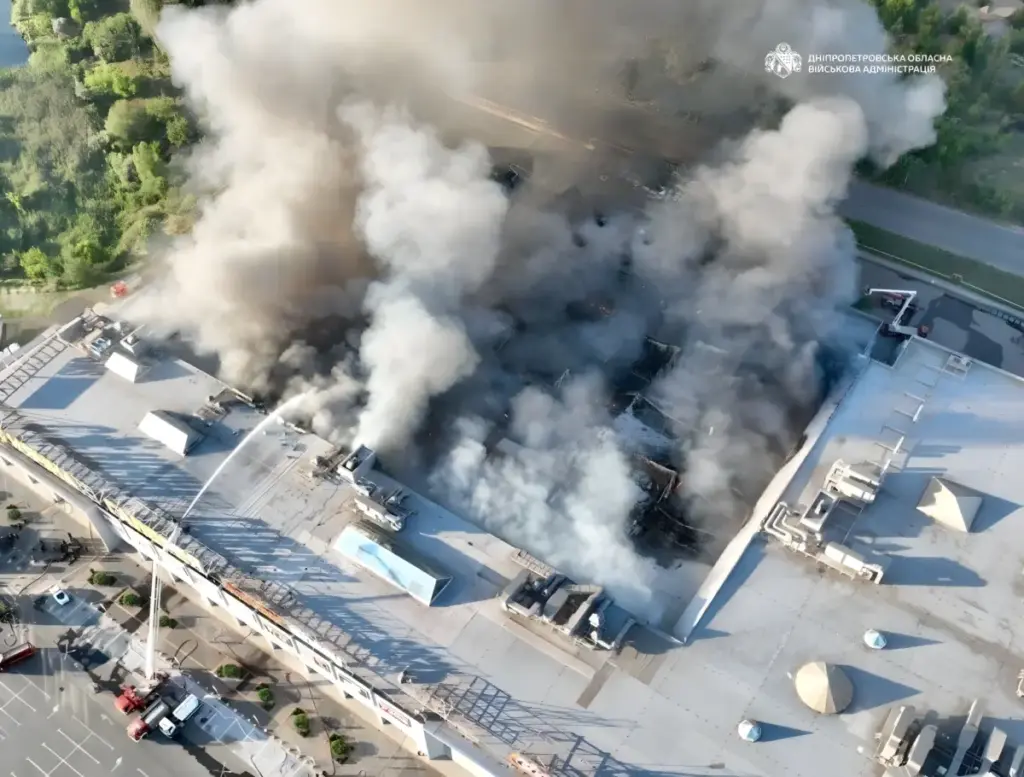
Ukraine’s Defense Forces have launched further long-range strikes against strategic targets inside the aggressor state. According to Ukrainian President Volodymyr Zelenskyy, the hits targeted an oil refinery in Syzran, a drone manufacturing facility in Taganrog, and a drone launch site in Oryol Oblast. Combat missions were additionally recorded as carried out in the Black Sea waters.
The strike on the Syzran refinery is part of a systematic campaign against enemy fuel infrastructure, serving as a response to attacks on Ukraine’s energy grid and logistics. In parallel, the United States has imposed sanctions against Russia’s VTB Bank, which is involved in servicing Russia’s military needs and financial cooperation with Iran.
The scale of Russia’s oil losses
Economic expert Vitaliy Shapran cited calculations indicating that Ukraine has already knocked out Russian oil refining capacities by approximately 1.5 million barrels per day. Before the strikes began, standard refining figures in Russia stood at 5.3 million barrels per day, while in the Middle East this volume reaches 11.6 million barrels. According to the expert, gasoline production suffered the most tangible losses, losing up to 50% of its capacity.
Due to the impossibility of shutting down wells without the risk of losing them irreversibly, Russian companies are forced to channel excess raw materials into export at substantial discounts. Thus, the destruction of refining enterprises leads to the saturation of the global market with cheap crude oil rather than a deficit, since Russian diesel fuel is not directly supplied to the US market.
Military balance and alternative targets
Analyzing calls from the American leadership for restraint in attacks on the oil sector, Vitaliy Shapran noted that a temporary pause in refinery strikes for one to two months is possible only if Ukraine is provided with 500 missiles for Patriot systems. The expert emphasized the presence of a wide range of other vulnerable targets in the enemy’s rear, including fertilizer production facilities, oxygen plants, and coking plants of metallurgical complexes.
The further expansion of the geography of strikes demonstrates the Ukrainian side’s transition to combined pressure on both the aggressor’s military logistics and its core industrial assets.
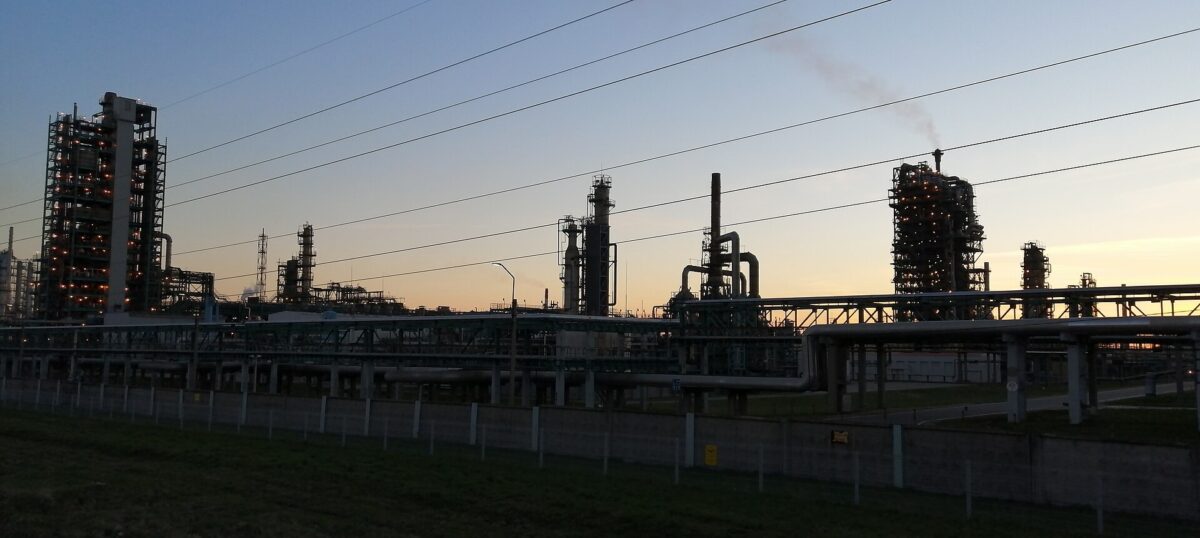
Illustrative photo: Svtk44 / CC BY-SA 4.0