The market deficit stands at about 5 million barrels of oil and petroleum products per day
Exchange-traded oil prices in China reached an unprecedented 129 dollars per barrel against the backdrop of attacks on a key Saudi pipeline. Due to the escalation of the situation in the Middle East, global markets faced an acute shortage of raw materials and a sharp spike in spot prices. Oil futures in Shanghai exceeded the previous peak of 121.80 dollars recorded at the beginning of the war with Iran.
The cost of raw materials rose by 14 percent after Saudi Arabia suspended the operation of the main oil pipeline to the Red Sea as a result of attacks by Iran-backed militants in Iraq. This price shock instantly spread to global oil and petroleum product markets, where ultra-low sulfur diesel in New York surged to a record level of 221 dollars per barrel. The spot price of benchmark Brent crude rose to 146 dollars per barrel, adding 25 dollars since the end of the previous week.
Consequences of Red Sea Attacks and Logistic Collapse
Most oil from the Persian Gulf is usually transported eastward through the Strait of Hormuz to Asian markets, and after its partial closure, Saudi Arabia began rerouting flows through its own East-West pipeline. However, strikes on the pipeline and the advance of Houthi rebels in Yemen near the Bab el-Mandeb Strait finally destroyed the perception of supply stability. At the same time, Saudi Arabia notified some European oil refiners of the cancellation or delay of cargoes destined for this month.
Analysts at the consulting firm Energy Aspects note that global markets are shrinking at an unprecedented rate due to desperate attempts by buyers to compensate for the loss of Saudi supplies. According to their estimates, the market deficit is about 5 million barrels of oil and petroleum products per day, which inevitably pushes quotes upward.
Changes in Chinese Imports and Secondary Revenues for Russia
For most of the year, China curbed the impact of the war by cutting imports, depleting inventories, and raising retail prices to limit domestic demand. However, the exhaustion of domestic reserves forced Shanghai to actively buy oil on the open market again after Chinese crude oil imports fell from over 12 million barrels per day to 7.1 million in June, with a subsequent recovery to 8.9 million in August. While Asian giants struggle with the deficit, escalation in the Middle East and the overall rise in oil prices brought Russia’s state budget an additional 36 billion dollars in March–June 2026, according to a report by the GROWORD Institute.
The period from November to March was marked by stable monthly revenues from oil sales within the range of 10-11 billion US dollars, which skyrocketed after the outbreak of hostilities. A change in the price of Russian oil by 10 dollars invariably causes fluctuations in the revenues of the federal budget of the Russian Federation at the level of 1-1.5% of GDP. At the same time, independent Chinese refineries that usually import Iranian oil faced additional difficulties due to the US naval blockade in the Persian Gulf.
Expert Assessments and the Position of Global Markets
Karim Fawaz from S&P Global Energy emphasizes that diesel fuel remains the most vulnerable resource to deficits, where even a minor disruption can push the market into a state of acute crisis. In turn, Rystad Energy analysts add that Beijing is forced to strictly balance between the priority of economic security and financial pressure on state-owned oil companies. Against this background, US Energy Secretary Chris Wright in his speech on CNBC expressed hope that the situation around the Saudi pipeline will be resolved in the near future, calling the interruptions short and temporary.
Despite the American official’s optimistic statements that repair times will be measured in days, the reality of the fuel market remains extremely tense. Supply cuts lead to the depletion of domestic stocks of gasoline, diesel, and jet fuel in China, which directly increases the likelihood of Beijing imposing a ban on fuel exports. As a result, the global energy system demonstrates high sensitivity to regional conflicts, turning geopolitical instability into superprofits for some and severe shortages for others.
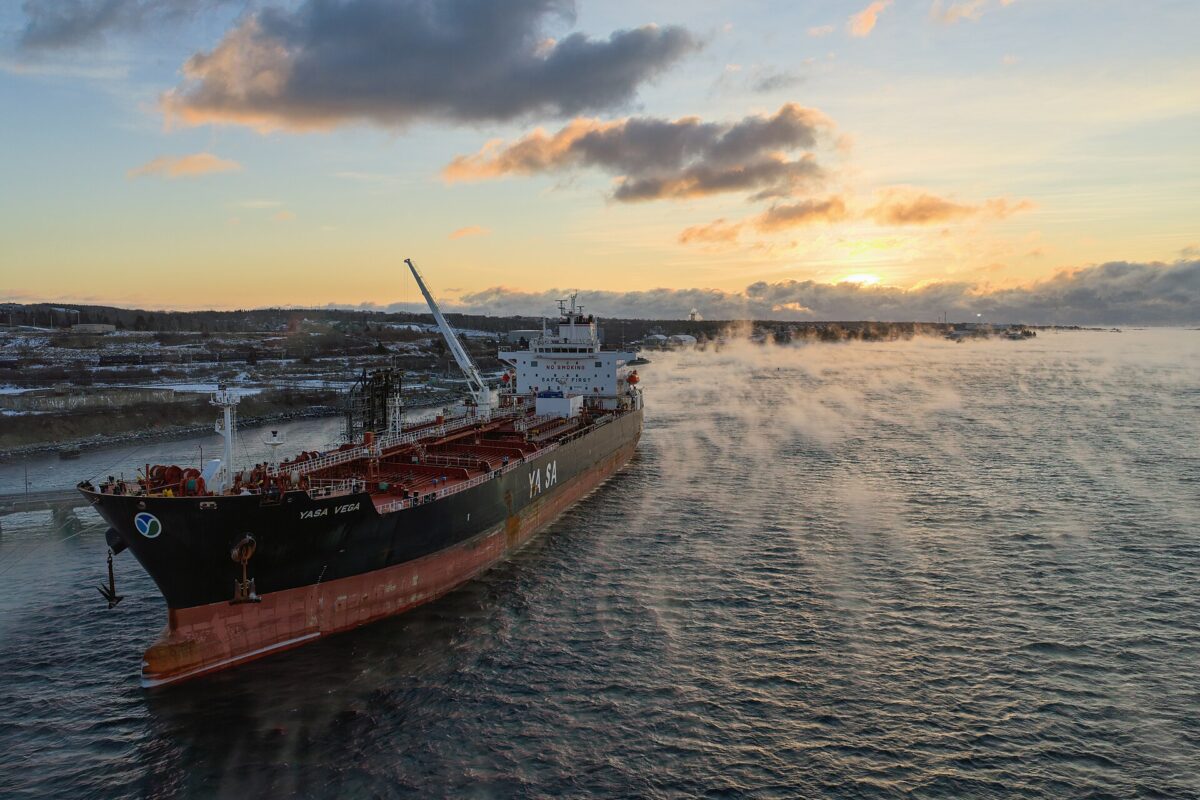
Illustrative photo: Quintin Soloviev / CC BY 4.0