The largest growth in fuel sales was recorded in the western regions of Ukraine
During August of this year, the network of petrol stations sold 724 million litres of fuel, which is 4% more than in the same period of 2025. At the same time, compared to July 2026, there was a decrease in sales volume of 4%. This was reported by enkorr citing the State Tax Service of Ukraine, according to the portal PromPolitInform.
According to the results of the first eight months of this year, the total volume of fuel sold at petrol stations reached 5.4 billion litres, demonstrating an increase of 9% compared to the same period last year. Experts attribute the monthly decline after a record-breaking July to market stabilisation, which had previously been supported by lower wholesale diesel prices due to tensions in the Middle East and local shortages in the south.
Regionally, the west of the country remains the leader in dynamics, where fuel sales for August grew by 7%, reaching 223 million litres. Southern regions demonstrated stability with zero growth at a volume of 77 million litres, while the east saw a decrease of 6% to 37 million litres.
Regional performance
The highest growth dynamics among regions was shown in the Kirovohrad region, where sales increased by 16% to 18 million litres. Double-digit growth of 10% or more was also recorded in the Lviv, Ivano-Frankivsk and Poltava regions.
In contrast, border areas faced a decrease in demand and sales volumes. In particular, in the Donetsk region, sales fell by 67% to 1 million litres, while in the Sumy and Zaporizhzhia regions, the decline was 9% and 13% respectively.
Market performance discrepancy
The situation with sales via cash registers at petrol stations contrasts with overall market balance indicators. According to market analytics, total fuel supplies in August decreased by 11%, amounting to 870,000 tonnes, with the decline affecting all fuel types, particularly LPG, which dropped by 23%.
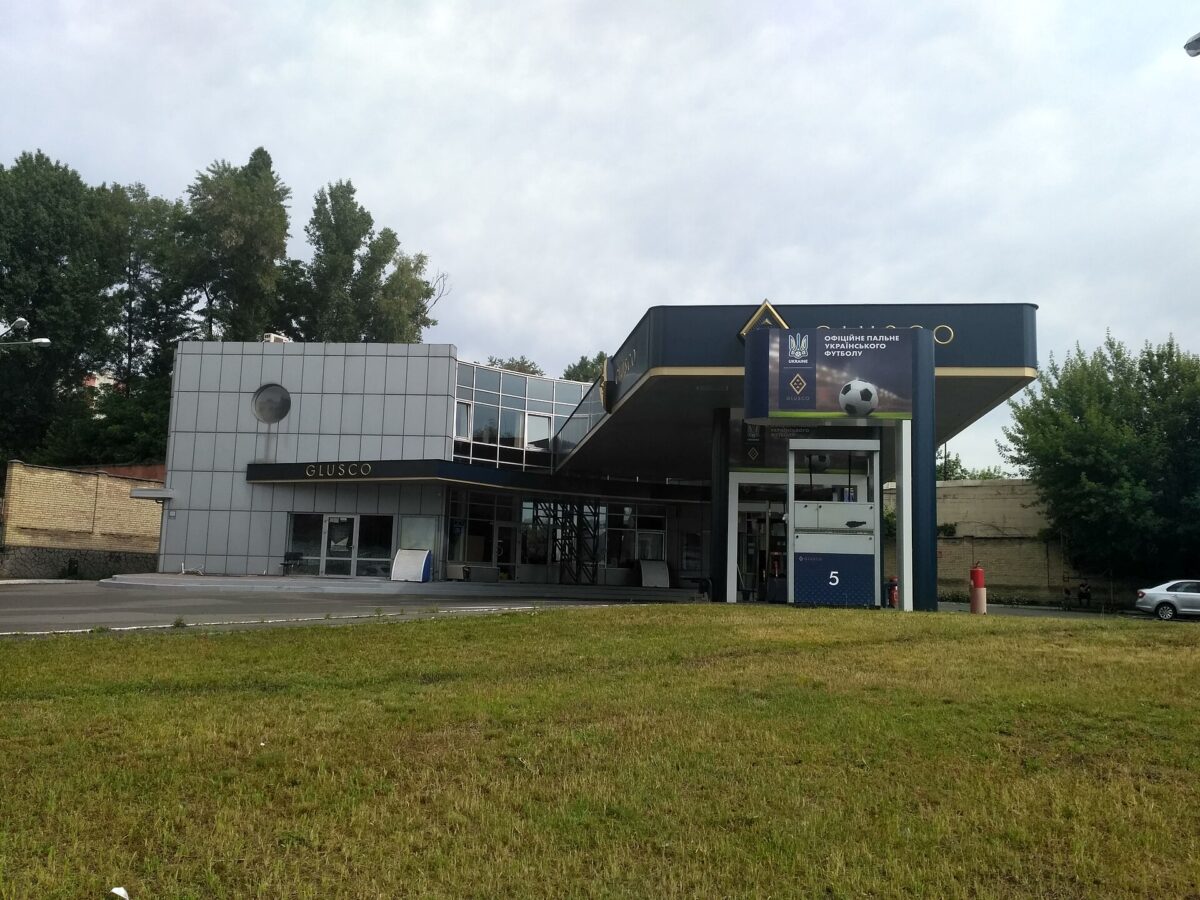
Illustrative photo: ZZZico / CC BY-SA 4.0
Read also: Symmetry of oil strikes: why Kyiv links de-escalation to the protection of its own energy sector