Brent crude futures dropped to $109.75 per barrel
Oil prices fell by more than 3% on Monday after Iranian and Qatari officials held a third consecutive day of talks. The meetings aim to reach an agreement to halt the US-Israeli war against Iran. This was reported by Ukrinform citing Reuters, according to the portal PromPolitInform.
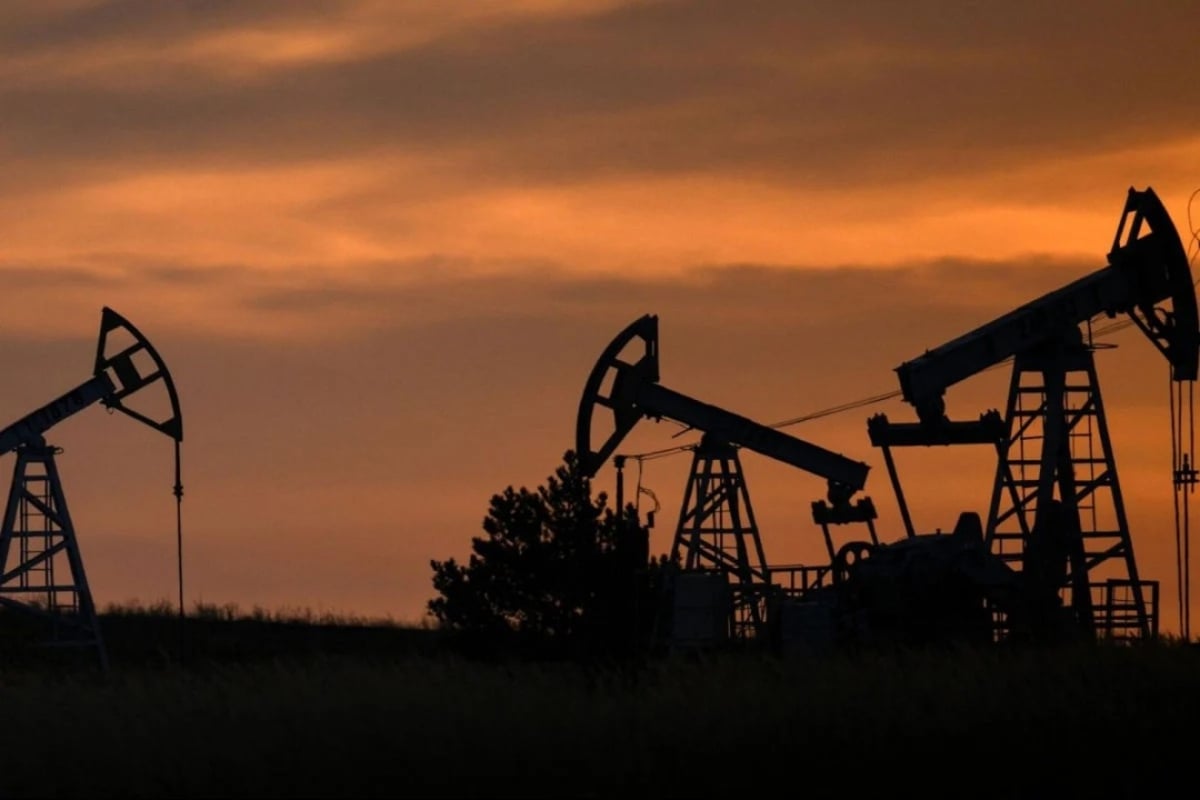
Brent crude futures dropped by $3.68, or 3.2%, to $109.75 per barrel. Meanwhile, US West Texas Intermediate crude traded at $100.69 per barrel, which is $3.43 or 3.3% lower than the previous price.
Brent crude finished October at its highest level in six months due to fears that the armed conflict between the US and Iran could escalate again following the midterm congressional elections. According to Tim Waterer, chief market analyst at KCM Trade, current numbers reflect a technical pullback following strong growth last week.
Diplomatic hopes and Tehran stance
«Lingering hopes of some diplomatic progress combined with a lack of any major military escalation over the weekend have removed some of the immediate pressure on prices for now», the analyst noted. At the same time, he warns that the market remains attentive to rhetoric surrounding Iran, which could push Brent prices to $120 following the elections.
Iranian Foreign Minister Abbas Araghchi stated on Sunday that the goal of the prolonged and progressive talks is to continue consultations with Qatari intermediaries. He added that Tehran remains prepared for both defense and diplomacy.
Situation in the Strait of Hormuz and production
The current negotiations take place against the backdrop of attacks on oil tankers passing through the Strait of Hormuz, driving up global energy and shipping costs. Despite attacks by Iran-backed Yemeni Houthis on energy infrastructure, Saudi Arabia increased its crude oil exports in October compared to September.
Analysts at ING noted in a client note that recent price dynamics reflect the market increasingly bracing for a potential continuation of hostilities. Meanwhile, the Organization of the Petroleum Exporting Countries and its allies, including russia, known as OPEC+, kept their December output targets unchanged on Sunday.
Photo: Ukrinform
Read also: OPEC+ countries decide not to change oil production quotas in December