A disabled body camera on a TCK representative should be considered evidence of a criminal offense
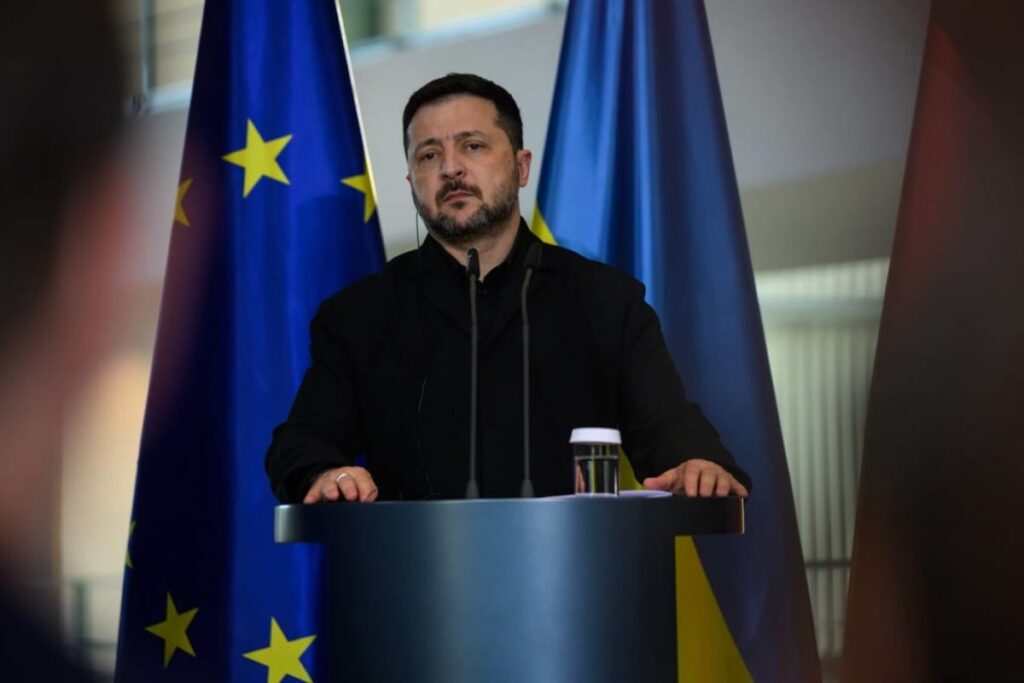
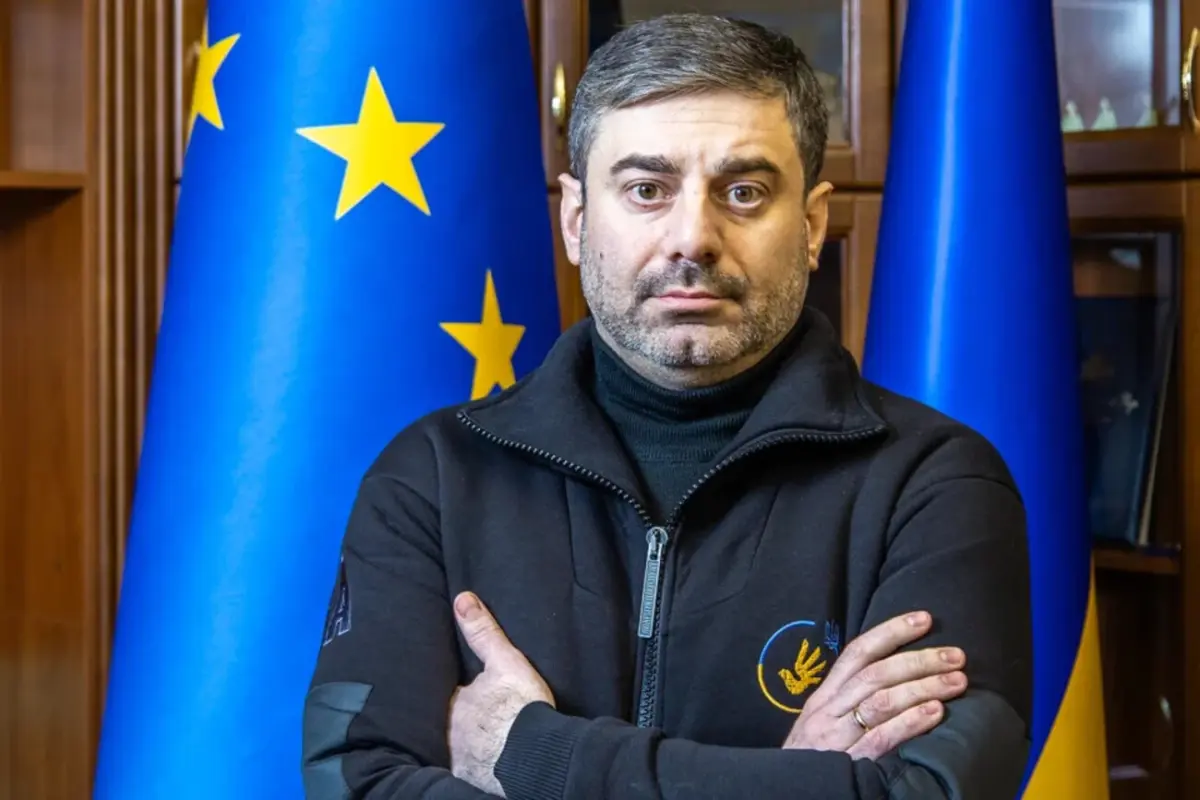
Ukrainian Parliament Commissioner for Human Rights Dmytro Lubinets has initiated stricter control measures for the staff of Territorial Recruitment and Social Support Centres (TCK). The ombudsman proposed that a disabled body camera should be treated as automatic proof of misconduct. This was reported by Glavcom, according to the portal PromPolitInform.
The ombudsman stated that he is in constant dialogue with the leadership of the Armed Forces, the General Staff, the Ground Forces, and the Ministry of Defence regarding mobilization issues. Although some of his recommendations have been implemented, no significant improvement in the situation regarding human rights violation complaints has been observed.
Video recording as a control tool
Dmytro Lubinets insists that TCK representatives must wear body cameras while on duty, and these devices must operate continuously. He proposed implementing a principle where a disabled camera is automatically interpreted as evidence of criminal activity by the centre’s personnel.
In addition to mandatory video recording, the commissioner demands the installation of surveillance systems in all premises of the recruitment centres. He emphasized that these measures would ensure transparency and increase the accountability of the personnel.
Reform of notification groups
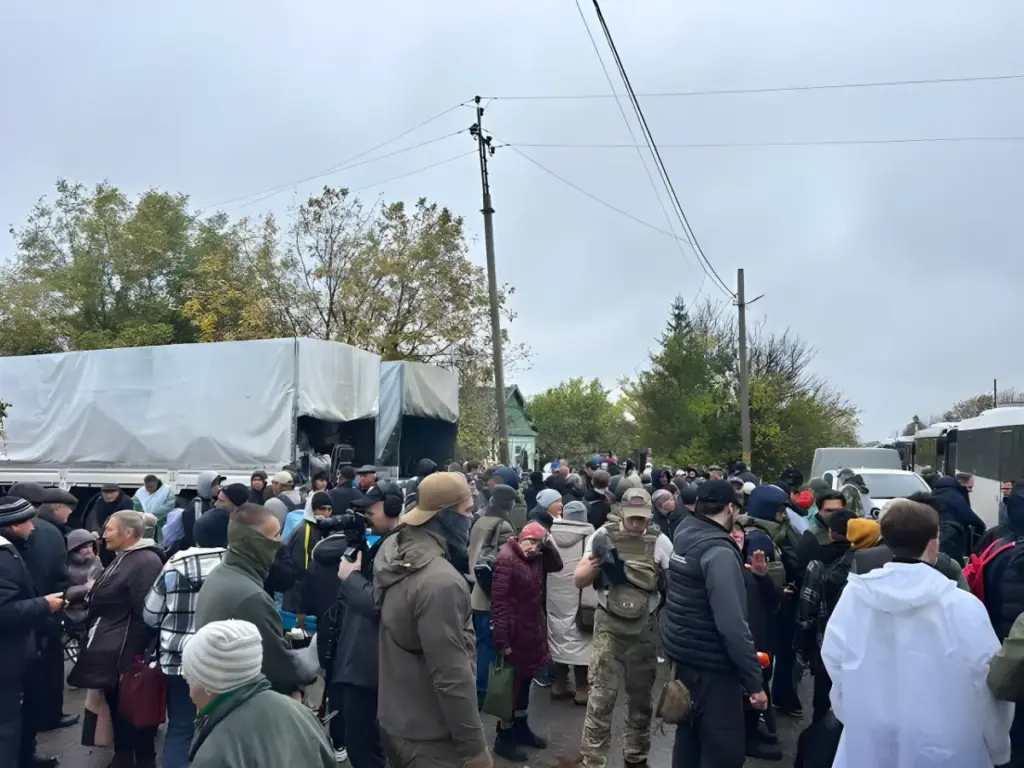
The second key proposal involves reforming the operation of notification groups. The ombudsman stated that these groups should operate solely with the direct involvement of National Police officers, and their actions must be documented via video, with the participation of National Guard members where necessary.
Lubinets criticized the practice of wearing balaclavas, removing insignia, and instances of physical violence by recruitment office staff. He highlighted that fulfilling the constitutional duty to defend the state does not exempt government officials from adhering to the law.
According to the ombudsman, the state must develop fair and uniform mobilization rules, as coercive methods fail to ensure efficiency. Video surveillance and the protection of citizens’ rights remain top priorities on the commissioner’s agenda.
Photo: Дмитро Лубінець/Facebook
Read also: Dmytro Lubinets and Yana Lantratova discuss the exchange of 1,000 prisoners