The focus is on war conflict risks, the impact of artificial intelligence, and the consequences of Donald Trump's policy
The Economist has released its annual report, 'The World Ahead 2027', analyzing the key political and financial trends for the coming year. The forecast covers a wide range of topics, from the transformation of the global order to technological shifts. This was reported by The Economist, according to the portal PromPolitInform.
This edition is dedicated to analyzing the global changes expected throughout 2027. The editorial team has engaged a number of world leaders, academics, and business representatives to evaluate the risks and opportunities humanity will face.
Editor Tom Standage notes that the world is entering the post-Trump era, yet he expects the former president to continue acting aggressively in an attempt to maintain his influence on the agenda. It is anticipated that the political environment will remain unstable due to the Democrats’ actions in Congress and the former president’s desire to shape his legacy through executive orders and grandiose initiatives.
Geopolitical risks and security
A separate section of the report addresses the threat of a war over Taiwan. Analysts mention Xi Jinping’s deadline for China’s armed forces to be ready for potential operations against the island by 2027. It is highlighted that military technology has significantly altered the nature of conflicts, allowing smaller states to effectively fend off stronger adversaries, as seen in the hostilities in Ukraine and Iran.
The situation in the Middle East remains critical due to the aftermath of the war in Iran, which continues to impact energy markets and global food security. Fertilizer shortages and climate phenomena, specifically the super El Nino, are creating additional pressure on many economies, leaving the world vulnerable to food crises.
Economic challenges and artificial intelligence
The report authors emphasize growing concerns regarding the impact of artificial intelligence on political and financial stability. Despite the rapid development of technology, increased criticism of major tech firms is expected, alongside the risk of financial turmoil due to opaque investment deals and high debt levels in the AI sector.
Significant attention is given to the state of public finances in Europe, particularly in France. The likely election of Marine Le Pen as president could trigger serious economic consequences for the European Union, given the current pressure on bond markets and the country’s unsustainable fiscal position.
Emerging trends
The forecasts also feature the ‘Ozempic effect,’ which is changing consumer behavior, and cheaper space launches thanks to SpaceX’s Starship. The research encompasses broad expert opinion, including forecasts from Japanese Prime Minister Sanae Takaichi, Finnish President Alexander Stubb, and experts from Yale University, including Professor of History Odd Arne Westad.
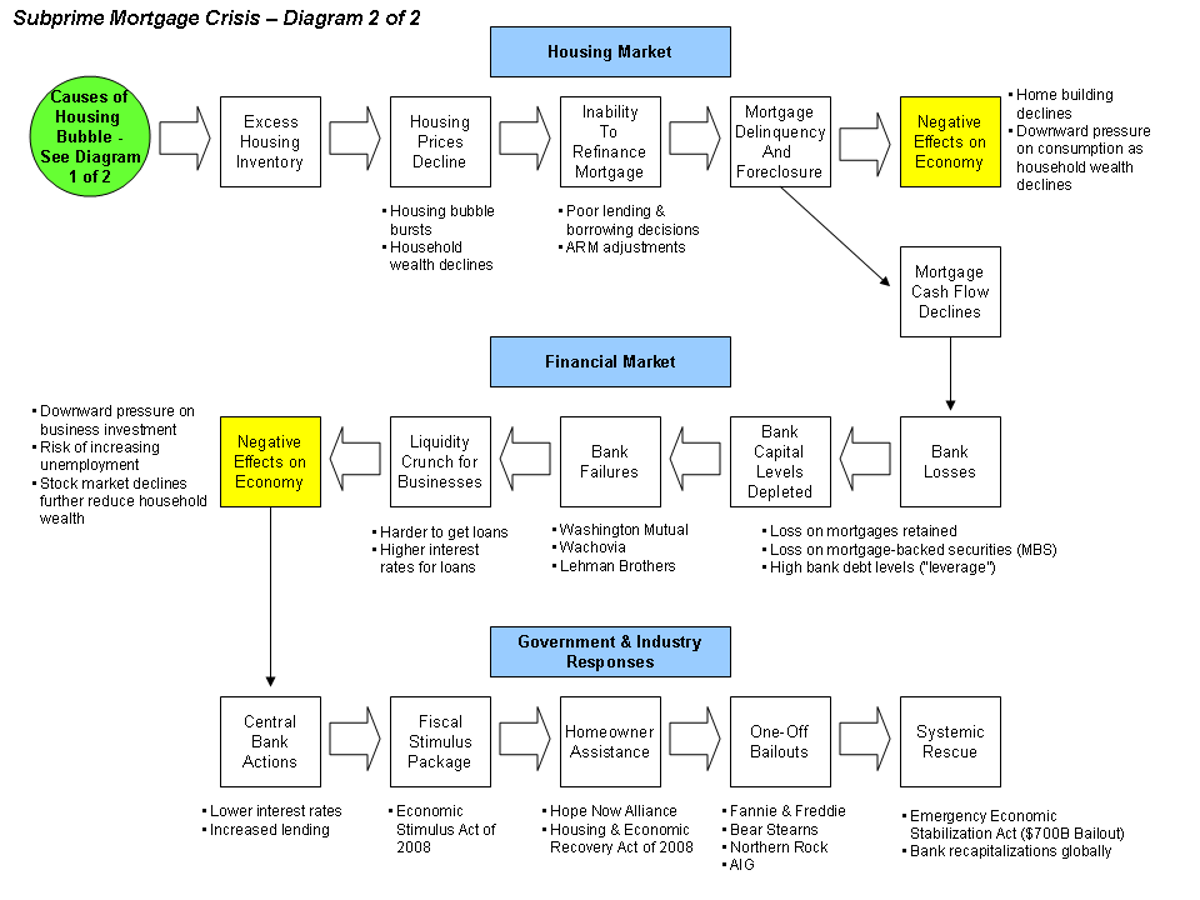
Illustrative photo: Farcaster (talk) 05:18, 10 October 2008 (UTC) / CC BY-SA 3.0
Read also: Massive strike in Spain: Volkswagen and SEAT plants halted