Britain and Germany refused to send warships to the Strait of Hormuz because they did not want to be drawn into a wider military conflict in the Middle East.
This was reported by British Prime Minister Kier Starmer and the representative of the German government Stefan Cornelius, writes FT, informs the portal PromPolitInform.
According to Starmer, London will focus on protecting its citizens in the region and supporting allies, but does not plan to participate in large-scale hostilities. At the same time, he stressed the importance of restoring shipping through the Strait of Hormuz, which is key to the stability of global energy markets.
“It is necessary to reopen the Strait of Hormuz to ensure stability in the energy market. But this is not an easy task,” said the British prime minister.
He said that Great Britain is negotiating with allies, in particular with European partners, to develop a joint plan that will restore freedom of navigation in the region as soon as possible.
In Germany, they are also not going to be held on Trump Zahtsyanki and, as a result, to get involved in a military confrontation with Iran. “This is not a NATO war. The government cannot allow the situation to escalate into an endless war,” said Stefan Cornelius.
Germany, according to him, stands for the speedy development of a plan for the cessation of hostilities. While the conflict continues, Berlin is not considering the possibility of participating in military operations, even when it comes to ensuring the security of navigation in the Strait of Hormuz.
“This is not our war, we did not start it. We want diplomatic solutions and a quick end, but additional warships in the region are unlikely to contribute to this,” said German Defense Minister Boris Pistorius, commenting on the corresponding call of US President Donald Trump.
He noted that Germany is responsible for the eastern flank of the Alliance and the Atlantic. “This is our first responsibility. Everything else is things that can be added in individual cases or not,” the minister emphasized.
As reported, US President Donald Trump called on NATO allies to join in ensuring the security of this strategically important maritime artery. He warned that the lack of support in the war with Iran could have negative consequences for NATO.
Australia, France, Japan, China and Britain have already stated that they do not intend to send their warships to the Strait of Hormuz.
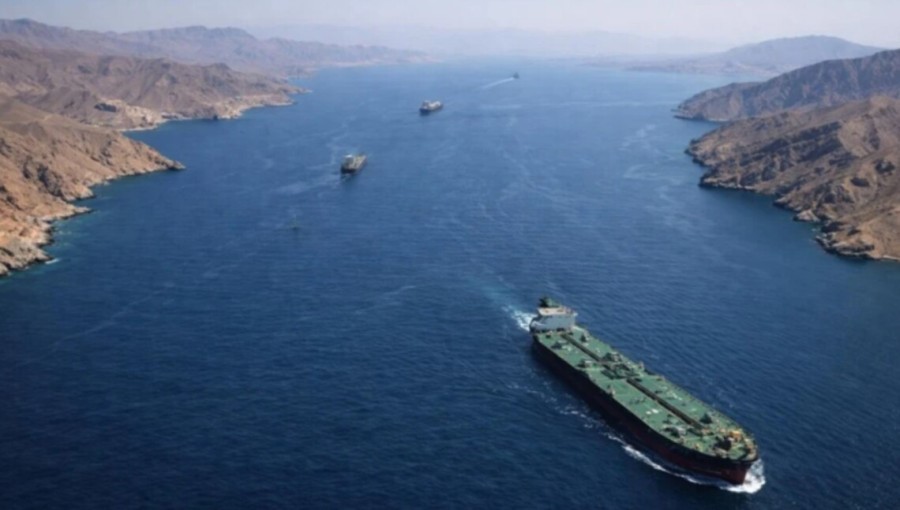
Interestingly, despite the actual blockade of the Strait of Hormuz, some countries were able to ensure the safe passage of their ships.
According to Reuters, according to ship tracking systems, at the weekend, the Karachi oil tanker, which is heading to Pakistan, passed through a narrow sea corridor. This may indicate that individual states agree with Iran on the transit of their goods.
US Treasury Secretary Scott Bessent said that, according to Washington, some Indian, Chinese and Iranian tankers with fuel also passed through the strait.
Photo – from open sources