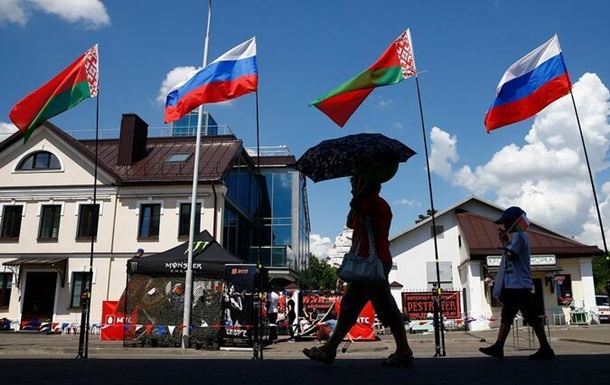
The greatest social distance in wartime is between Ukrainians and Russians living in Russia (6.5 with a maximum of 7), followed by Belarusians living in Belarus.
The smallest social distance in Ukraine is recorded towards Ukrainian-speaking Ukrainians (index 2.4) and Russian-speaking Ukrainians (3.5).
The lowest social distance in Ukraine is recorded towards Ukrainian-speaking Ukrainians and Russian-speaking Ukrainians, followed by Jews living in Ukraine, Canadians and Germans (with similar index values). The greatest social distance, as before, is towards Russians living in Russia – 6.5 points, then towards Belarusians living in Belarus and Ukrainians living in Russia (both groups – 5.6). This, writes Korrespondent.net, is evidenced by the results of a study by the Kyiv International Institute of Sociology. The PromPolitInform portal reports.
Compared to 2022, the social distance towards Russian-speaking Ukrainians has increased significantly (+0.7 points), most noticeably towards Poles (+1.1 points)
The smallest social distance is towards Ukrainian-speaking Ukrainians (index 2.4) and Russian-speaking Ukrainians (3.5), which indicates the willingness of most respondents to allow representatives of these groups to have the closest social contacts – as family members and close friends.
According to sociologists, Jewish residents of Ukraine, Canadians and Germans are next (indexes within 3.9), that is, the attitude towards these groups is quite close and the difference between them is insignificant. The next group is formed by Poles, French and Americans (indexes of about 4.0-4.1), followed by Belarusians-residents of Ukraine (4.5) and Romanians (4.7). The highest level of social distance is observed towards Russians-residents of Ukraine (4.8), Africans (5.2) and Roma (5.3). Even more distant are Belarusians-residents of Belarus (5.6) and Ukrainians-residents of Russia (5.6).
The greatest social distance in war conditions is towards Russians-residents of Russia (6.5 with a maximum of 7; seven means “would not let them into Ukraine” – ed.), which is the maximum value among all groups and indicates a very high level of alienation.
“The vast majority (80%) would not let Russians in even as tourists,” the press release states.
Compared to 2022, overall social distance towards most ethnic groups has increased, that is, attitudes have deteriorated somewhat. Sociologists explain this by a decrease in the effect of “rallying around the flag” and the accumulation of war fatigue.
It is known that the worsening situation also affects the increase in the level of interethnic intolerance.
The most noticeable increase in social distance is observed towards Poles (+1.1 points). In 2022-2023, attitudes towards Poles were one of the best and remained consistently positive. Presumably, the deterioration in attitudes is primarily due to the tension in bilateral relations that arose in 2023-2024.
The conflicts surrounding the export of Ukrainian grain had a significant resonance, when Polish farmers blocked the border and opposed the import of Ukrainian agricultural products.
Public sentiment could also be influenced by political discussions between Ukraine and Poland, in particular regarding historical memory (Volyn tragedy) and some harsh statements by politicians on both sides.
To a lesser extent, changes affected Canadians and Americans (+0.4 points) and Africans (+0.3 points). The distance to Roma, Romanians and Belarusians living in Belarus also increased slightly (by approximately 0.2-0.3 points).
The social distance to Russians living in Russia is 6.5 and higher than to any ethnic group in over 30 years of measuring social distance.
The distance to Belarusians living in Belarus is somewhat lower, but also very high – 5.6. The social distance also increased significantly compared to 2013. The attitude towards Russians and Belarusians living in Ukraine also worsened.
The attitude towards Jewish residents of Ukraine has improved since 2013 and now they (along with Canadians and Germans) are the closest to Ukrainians.
Research
During September 19-October 5, 2025, KIIS conducted its own all-Ukrainian public opinion poll “Omnibus”, to which, on its own initiative, it added a question about attitudes towards certain ethnic groups according to the Bogardus social distance scale.
1,008 respondents were surveyed using the CATI telephone interview method based on a random sample of mobile phone numbers in all controlled regions of Ukraine. The survey was conducted with adults (aged 18 and older) living in the territory of Ukraine controlled by the Ukrainian government.
Methodology
Research using the scale of the American sociologist Emory Bogardus provides for the following: for each ethnic group from the list, respondents must answer how close a relationship they are willing to allow with representatives of each of the groups. Minimum social distance – 1 (agree to allow as a family member), maximum – 7 (would not allow to enter Ukraine).