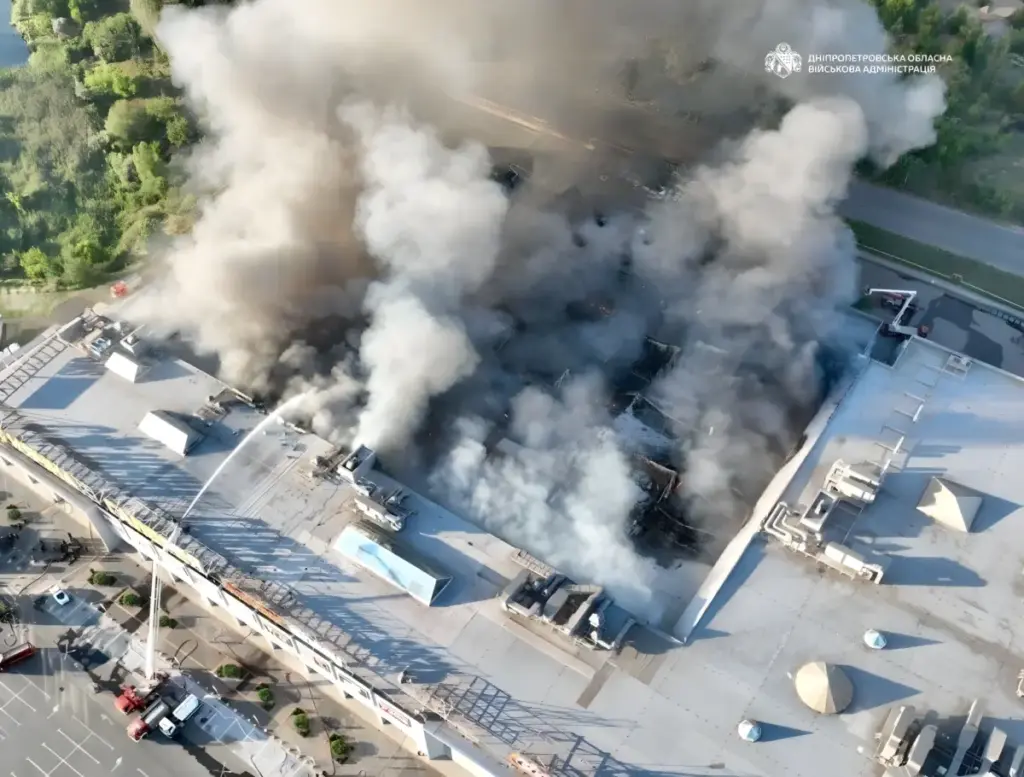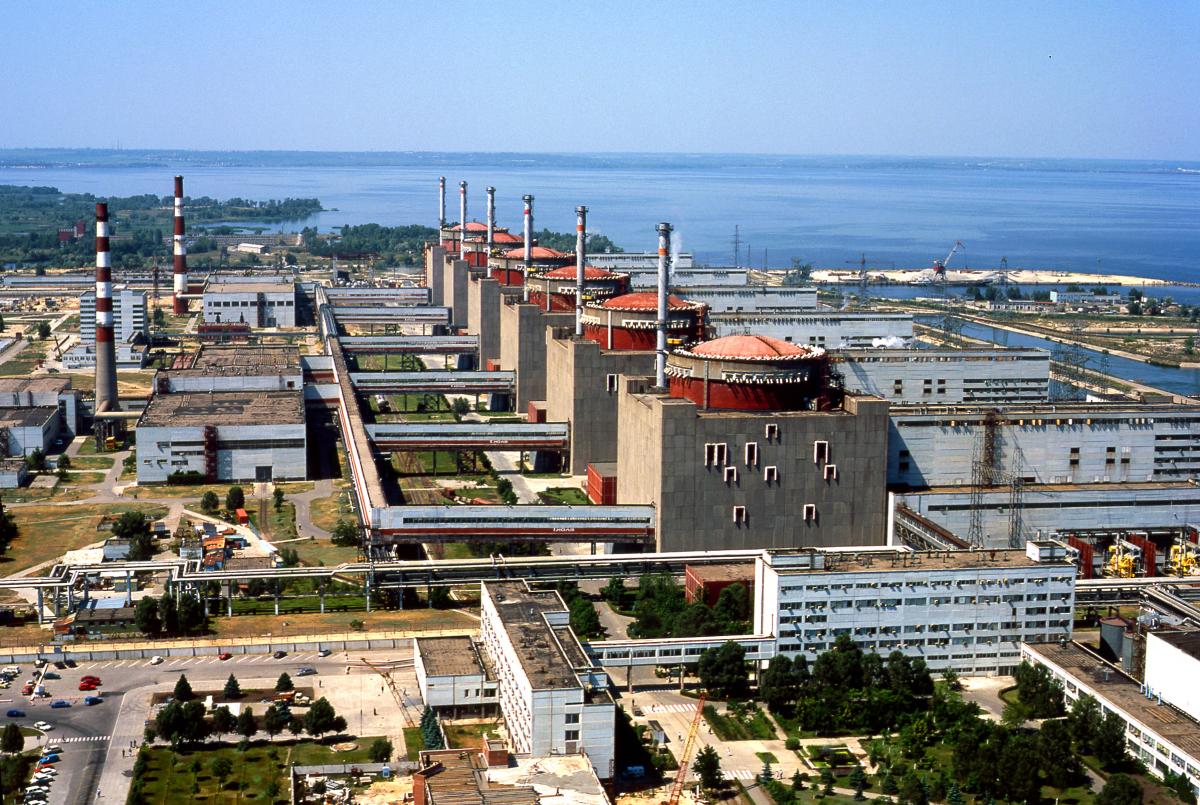
At the Rivne NPP, IAEA specialists were recently forced to take shelter in a bomb shelter
The International Atomic Energy Agency (IAEA) announced increased military activity near all Ukrainian nuclear power plants – Rivne, South Ukrainian, Khmelnytskyi and Chernobyl, as well as the Russian-occupied Zapadna NPP. UNIAN reports that the IAEA reported this on its website. The PromPolitInform portal informs.
Over the past two weeks, the IAEA mission to Zapadna NPP has received reports of continued military activity in the area of the facility. In particular, it was about the drone strike on the turbine hall of the sixth power unit, which occurred on May 30.
During further inspections, the agency’s specialists recorded damage: a hole was found in the wall, as well as local damage to the metal lining of an empty pipe located a few meters from the impact site. Experts are now continuing to assess in detail the condition of the affected area and the possible consequences of the incident.
“This is the first case since April 2024 when military activity directly affected the ZNPP site,” said IAEA Director General Rafael Grossi.
In addition, escalation was also observed near the Chernobyl nuclear power plant. On June 7, a drone hit the centralized spent nuclear fuel storage facility located in the exclusion zone – just a few hundred meters from the place where spent fuel is stored in containers. Radiation levels at the facility remained within normal limits.
“An attack on a facility with large amounts of nuclear material is extremely dangerous. It should not happen,” Grossi said.
It is not known when the facility will be able to start receiving spent fuel from Ukraine’s operating nuclear power plants again.
IAEA teams have also reported military activity at three of Ukraine’s operating nuclear power plants – Khmelnytskyi, Rivne and Pivdennyukraine – as well as at the Chernobyl site.
Over the past two weeks, IAEA teams have recorded more than 100 drones within surveillance zones around the facilities, some approaching as close as 2km.
At the Rivne NPP, the IAEA team was forced to take cover on the plant’s premises on the morning of June 3, while at the Chernobyl site they repeatedly heard gunfire in response to the drones being spotted.
Situation at Zaporizhzhia NPP
The IAEA team is currently monitoring demining operations to ensure urgent repairs to the last operational main power supply line to the Zaporizhzhia NPP after several days of intense military activity. The team’s presence is necessary to strengthen and maintain the ceasefire reached through IAEA mediation, which entered into force on Friday.
As a reminder, Russia and Ukraine previously agreed on a temporary localized ceasefire, which allowed repairs to begin on the 750 kV Dniprovska power line, which has been out of service since March 24, 2026. The plant currently relies on one external power line – the 330 kV Ferosplavna-1 backup line. The repairs are urgent given the fragile state of the only remaining external backup power supply line to the Zaporizhzhia NPP.
After the Dniprovska line was shut down in March, the Ferosplavna-1 line was shut down six times, forcing the plant to rely entirely on emergency diesel generators for the electricity needed to cool its six reactors and prevent a nuclear accident.
In the past two weeks alone, the Zaporizhzhia NPP has lost external power three times, most recently on June 5, when the plant experienced its 18th external power outage since the start of the war. The outage lasted 15 hours, making it one of the longest of the entire war.
Nuclear power plants in Ukraine – latest news
Earlier, nuclear energy and security expert Olga Kosharna reported that the occupation forces could use the Zaporizhzhia NPP for military purposes, similar to how the Kakhovka hydroelectric power plant dam was blown up in the summer of 2023.
Prior to this, the Russian leadership of the Zaporizhzhia NPP announced alleged strikes on the facility from Ukraine in late May. After that, the IAEA emphasized the threat to nuclear safety and began to demand access to the facility from the Russian side.