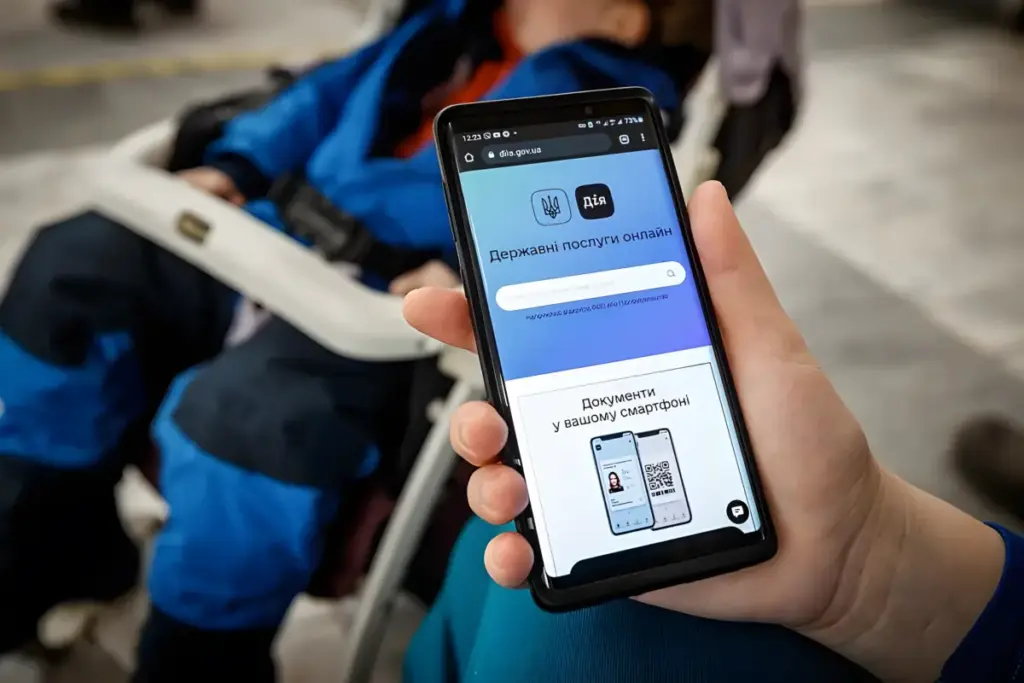
The largest mobile operators of Ukraine are considering abandoning the monthly subscription fee. The new model involves paying only for actually used minutes, Internet and SMS.
The Ukrainian mobile communications market is on the verge of serious changes. Kyivstar, Vodafone and lifecell are studying the possibility of switching to a new payment system, under which subscribers will pay not a fixed amount each month, but only for what they actually used. This is reported by the ZNAY portal, the PromPolitInform portal informs.
The scheme is simple: instead of the usual package with a certain amount of minutes, gigabytes and SMS, the bill will be formed on an actual basis. How much you talked, how much traffic you spent – that’s how much you paid. No automatic write-offs “just in case”.
How it will work
The new model provides for separate pricing for each service. Minutes of calls, mobile Internet and messages will be paid separately – depending on actual consumption, and not within the framework of a fixed package. For those who use the connection irregularly or in minimal volumes, this approach can significantly reduce costs.
According to preliminary information, the changes will not affect the cheapest tariffs and contract subscribers. The main focus is on prepaid packages, which are used by the majority of Ukrainians today.
Why this can happen
A similar system has long been operating in many European countries, where users are not tied to monthly write-offs. For operators, the current package model provides stable and predictable income, but at the same time it limits competition for the most economical customers – those who do not spend the entire prepaid volume of services.
As the iTechua portal writes, none of the operators have officially confirmed the launch of the new model yet. According to experts, its implementation is possible no earlier than the second half of 2026 — and initially in the format of a pilot project for certain categories of subscribers.
What does this mean for subscribers
For users who are accustomed to fixed-price package tariffs, the transition may be inconvenient — because they will have to monitor their expenses more carefully. At the same time, those who use the connection from time to time or have a second number “in reserve” will be able to save.
The most likely scenario is the parallel existence of both models: classic packages will remain for those who are more comfortable paying a fixed amount, and the new system will be tested on separate segments. This will allow operators to assess real demand without destroying the current tariff structure.